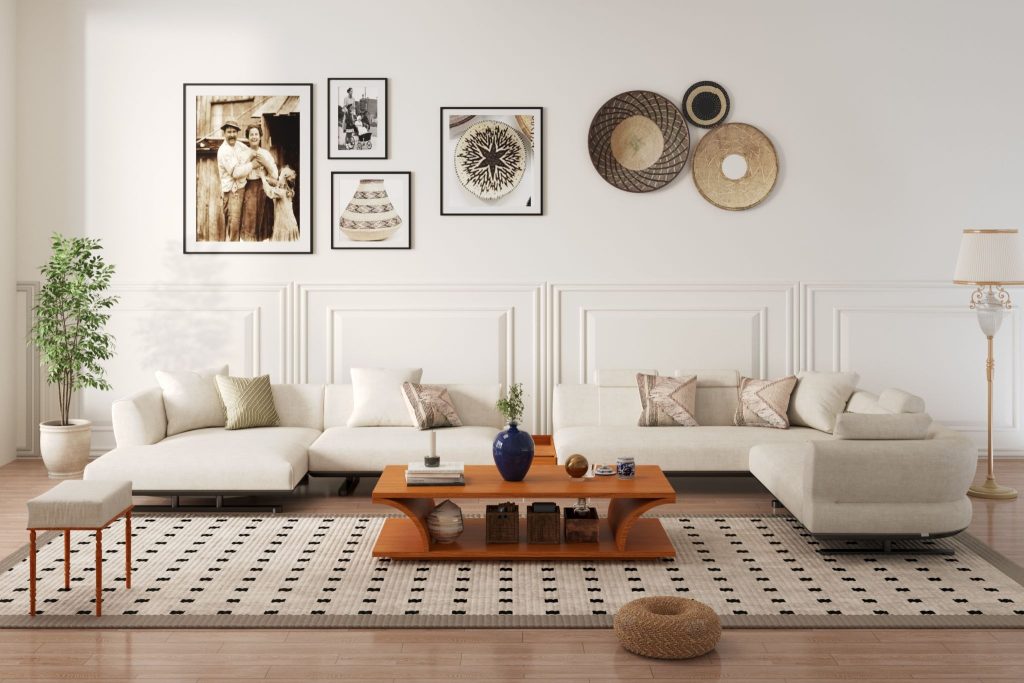
A luxury renovation rarely fails because of budget. It fails because of small decisions made too early – a stone chosen from a four-inch sample, a sofa ordered from a single product photo, a lighting plan approved from a flat floor plan rather than the room it will actually inhabit. For a modest project, that kind of guesswork is forgivable. For a homeowner investing six or seven figures into a single space, it isn’t.
That gap between what was approved and what was built is exactly why an increasing number of architects and interior designers now lean on 3D visualization before construction ever begins. Specialized studios – Orbe3D among them – build photorealistic, walkable models of a space so a homeowner can experience scale, light, and material long before a contractor breaks ground. It’s a quiet shift in how luxury projects are planned, and it’s catching the mistakes that used to surface only after the invoices did.
Here are seven of the most common ones, and how visualization tools are helping discerning homeowners avoid them entirely.
Are You Approving a Floor Plan You’ve Never Actually “Walked”?
A floor plan tells you where the walls go. It doesn’t tell you how it will feel to stand in the entryway and look toward the great room, or whether the ceiling height you specified will read as grand or merely tall. Volume and proportion – the very things luxury design is built around – simply don’t translate from a two-dimensional drawing.
A 3D walkthrough solves this by letting you move through the space virtually, at eye level, before a single beam is set. Homeowners frequently discover, at this stage, that a hallway they assumed would feel generous actually feels tight, or that a window placement they loved on paper leaves a reading nook in shadow for most of the day. Catching that on a screen costs nothing. Catching it in drywall costs a change order.
This matters even more in larger luxury homes, where rooms often serve more than one function – a great room that needs to host both quiet evenings and large gatherings, or a primary suite with a sitting area, a fireplace, and a private terrace all competing for the same square footage. A walkthrough makes it possible to test these competing demands against each other before furniture is ordered or millwork is fabricated, rather than discovering the conflict once the room is finished and the moving trucks have already left.
Have You Chosen Materials and Finishes from a Sample, Not a Scene?
A four-inch marble swatch under showroom lighting tells you almost nothing about how that same stone will read across an eighteen-foot kitchen island under your home’s actual northern light. The same is true of fabric sheen, wood grain, and metal finish – all of which shift dramatically depending on the light source, the room’s other materials, and even the time of day.
Common surprises homeowners run into when relying on samples alone:
- Veining that looks elegant on a small sample becomes overwhelming across a large surface
- Matte finishes that appear flat under bright showroom light, but rich and warm under ambient evening lighting
- Wood tones that clash subtly with existing flooring once installed at scale
- Fabric colors that shift noticeably between daylight and warm interior lighting
A 3D-rendered version of the room, built with the actual finishes mapped onto the actual surfaces, removes almost all of this uncertainty before a single slab is cut.
Is Your Statement Furniture Sized for the Showroom, Not Your Room?
Showrooms are designed to make furniture look impressive – generous lighting, open sightlines, and nothing nearby to compete for scale. Your living room, however beautifully proportioned, is not a showroom. A sectional or dining table that looked substantial under those conditions can suddenly dominate, or disappear into, a room with different ceiling heights and window placement.
This is one of the more expensive mistakes to make in a luxury build, simply because the furniture itself carries a higher price tag. Visualizing the actual piece, at its actual dimensions, inside a model of your actual room is the most reliable way to confirm scale before the order is placed.
It’s also worth remembering that scale works in both directions. Just as a sofa can overwhelm a smaller room than expected, a single statement chair or sculptural side table can look lost and insignificant in a room with soaring ceilings and expansive windows – the very rooms luxury homes are known for. Designers increasingly use rendered furniture placement to test not just whether a piece fits, but whether it carries enough visual weight to hold its own in a grand space.
Are You Picking a Lighting Plan from Daytime Renderings Alone?
Lighting plans are often approved using daytime imagery, which makes sense – that’s when most walkthroughs happen. The problem is that luxury homes are lived in just as much after sunset, and a chandelier or sconce layout that looks elegant in daylight can feel either stark or murky once the sun goes down.
The most thorough visualization work accounts for this by rendering a space under multiple lighting scenarios – bright daylight, dusk, and full evening ambiance – so a homeowner can evaluate a fixture’s actual character rather than its daytime silhouette alone.
Is Your Design Team Showing You Mood Boards Instead of Photoreal Renders?
Mood boards are useful for establishing a direction – a palette, a general feeling, a handful of reference images pinned together. What they cannot do is show you your specific room, with your specific furniture and finishes, rendered accurately enough to make a confident decision.
This is the gap that dedicated 3D visualization studios were built to close. Firms like Orbe3D work directly with designers and architects to turn a mood board into a photorealistic, to-scale render of the actual project – not a stylistic suggestion, but a believable preview of the finished room. For homeowners accustomed to making decisions based on instinct and trust alone, it’s a meaningful upgrade: you’re no longer approving a feeling, you’re approving a space.
Are Mid-Construction Changes Quietly Becoming Part of Your Budget?
Change orders are the single most common way a luxury renovation budget grows beyond its original scope. Most of them stem from the same root cause: something didn’t look the way the homeowner expected once it was actually built, and adjusting it after the fact is far more expensive than adjusting it on a screen.
Typical late-stage triggers include:
- Ceiling height or beam placement that reads differently in person than on paper
- Cabinetry proportions that feel off once installed next to appliances
- A color palette that clashes once adjacent rooms are finished
- Hardware or fixture finishes that don’t match the tone of surrounding materials
Reviewing a fully rendered version of the space well before construction gives both the homeowner and the design team a chance to resolve these issues on a model, where revisions cost a render cycle rather than a renovation.
Have You Considered How the Design Will Age – and Photograph?
Luxury interiors are rarely a one-time decision. They’re an asset, and like any asset, they’ll eventually be photographed for a listing, featured in a portfolio, or simply lived with for a decade or more. A design that looks compelling in the moment doesn’t always photograph well, and trend-driven choices can date a space faster than a homeowner expects.
Visualization tools allow a designer to test how a finished room will appear from the angles that matter most – the ones a listing photographer or a magazine editor would actually use – before that question becomes unanswerable.
This is a particularly relevant consideration for homeowners who view their property as both a personal residence and a long-term asset. A primary suite or great room that has been visualized from several vantage points, with attention paid to how light falls across key surfaces at different times of day, tends to hold its visual appeal for buyers, guests, and editors alike – long after the initial excitement of move-in day has settled into everyday life.
The Seven Mistakes at a Glance
| Mistake | The Risk | How 3D Visualization Helps |
| Approving a flat floor plan | Misjudged scale and flow | Walkable 3D model before construction |
| Choosing finishes from samples | Color and texture surprises at scale | Renders mapped to actual room and light |
| Sizing furniture from a showroom | Pieces feel wrong once installed | Accurate scale rendering in your space |
| Lighting plans approved by day | Fixtures feel off after dark | Renders under multiple lighting scenarios |
| Relying on mood boards alone | Vague, non-specific direction | Photoreal renders of the actual project |
| Mid-construction change orders | Expensive late-stage corrections | Issues caught and resolved pre-build |
So, Is 3D Visualization Worth It for a Luxury Project?
For homeowners working at this level, the cost of a rendering pass is almost always smaller than the cost of a single mistake made in finished materials. That math is precisely why visualization has moved from a nice-to-have to a near-standard step among the design firms handling the most ambitious residential projects and why studios like Orbe3D have built entire practices around producing the kind of accurate, photoreal previews that make those decisions easier.
The next time you’re reviewing plans for a renovation or new build, it’s worth asking your designer one simple question: can I see this rendered before we begin? The answer will likely shape how confidently – and how cost-effectively – the rest of the project unfolds