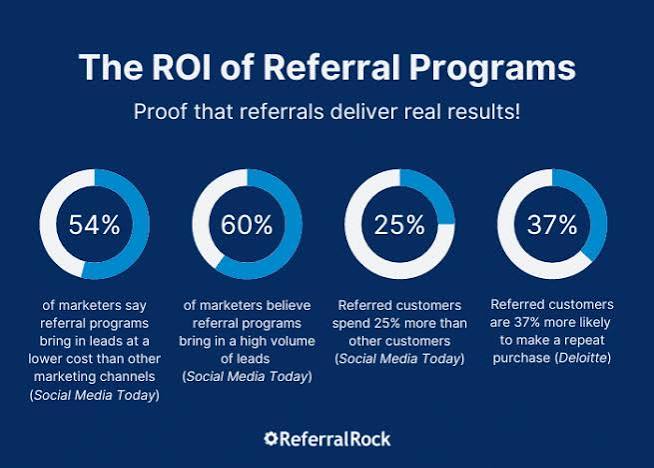
Are you struggling to grow sales from referrals and partners? Referral partnerships can drive up to 20% of new customers for many businesses. This post will show clear steps to build partnerships, create incentives, and scale referral programs.
Read on to learn how.
Understanding Referral Partnerships
Referral partnerships link your business with partners who send customer referrals. Partners can include programs for becoming a trading affiliate, resellers, and non-transacting advocates. These partnerships boost lead generation and fill the sales pipeline. They drive revenue growth through shared incentives and aligned goals.
Successful programs set clear goals and simple incentive structures. Track referral conversions, commission rates, and lifetime customer value. Use partnerships for upselling and co-marketing to expand reach. Good partners act as business advocates and speed customer acquisition.
Key Strategies for Growing Revenue Through Referral Partnerships
Referral partnerships can greatly boost revenue for your business. Focus on building strong connections and creating appealing programs to encourage referrals.
Building strong relationships with referral partners
Cultivate clear communication with partners. Set shared goals for revenue and lead generation. Share customer insights and referral data weekly. Offer steady support for sales pipeline handoffs.
Create fair commission structures and simple programs. Train partners on product value and target customers. Track referrals in a shared dashboard. Reward advocacy with recognition and bonuses.
Creating attractive incentive programs
Create incentives that match partner goals. Offer clear rewards that drive revenue. For companies that want flexible non-cash rewards, bulk gift cards can be an easy way to recognize referral milestones, reward top-performing partners, or support dual-sided incentive campaigns without adding complex payout workflows.
- Align commission tiers to sales stages and set higher rates for closed deals to boost referral revenue and improve your sales pipeline.
- Offer recurring commissions for subscription referrals to increase long-term revenue and encourage sustained partner effort.
- Add one-time bonuses for milestone referrals to spur fast growth and reward top-performing partners.
- Provide dual-sided rewards where both the referrer and the referred customer receive benefits to increase customer referrals and conversion rates.
- Use noncash perks like co-marketing credits, priority support, or early access to new features to strengthen partnerships and reduce direct cost.
- Structure performance contests with clear timeframes and measurable goals to drive short-term spikes in leads and increase sales partnerships.
- Publish transparent commission reports and pay on time to maintain trust with partners and protect long-term collaboration.
- Create tiered status levels with extra perks, public recognition, and exclusive resources to turn partners into business advocates and deepen partnership development.
- Test A/B variations of incentive offers and track conversion metrics to refine programs and improve lead generation.
- Use clear legal terms and simple signup flows to speed partner onboarding and reduce friction in program growth.
Leveraging non-transacting partners for brand advocacy
Non-transacting partners can play a big role in brand advocacy. These partners don’t sell your products but support your brand. They include bloggers, influencers, or other businesses that align with your values. Their audiences trust them, which helps build credibility for your brand.
Building these relationships is key to success. Offer value to non-transacting partners by sharing content or co-marketing opportunities. This can help keep them engaged and motivated to advocate for you. Strong partnerships lead to referrals and increased sales over time.
Scaling and automating referral programs
Scaling and automating referral programs helps increase revenue efficiently. A well-structured approach simplifies the process for all involved.
- Develop a clear structure for your referral program. This allows partners to understand how they can participate easily. It also clarifies their role in promoting your business.
- Use software to track referrals automatically. This eliminates manual tracking, saving time and effort for both you and your partners.
- Set specific goals for each referral program. Clear goals motivate partners to refer more customers consistently and help measure success.
- Create easy-to-use tools for partners. Provide them with marketing materials like banners and links that they can quickly share with their networks.
- Establish a reliable communication plan. Regular updates inform partners about new incentives or changes in the program, keeping them engaged and active.
- Automate payment processes to reward referrals promptly. Fast payments encourage ongoing participation from your advocates, resulting in more leads over time.
- Analyze performance data routinely to find areas for improvement. Understanding which strategies work best helps refine the program as it grows.
- Foster an online community where partners can share experiences and tips. This builds stronger relationships among advocates, enhancing collaboration within the network.
- Implement tiered rewards systems based on performance levels. Offering higher rewards as affiliates reach new milestones motivates continued engagement and increased sales efforts.
- Encourage feedback from your referral partners regularly to enhance the program further; this creates trust and fosters a sense of ownership among them.
Using Referral Marketing Tools Effectively
Referral marketing tools can boost your success. Choose the right features to fit your needs and help grow your business.
Key features to consider in referral marketing tools
Choose tools that match your business needs.
| Feature | Why it matters | What to look for |
|---|---|---|
| Easy onboarding | Look for simple setup. New partners join fast. | Clear sign-up flows. Guided tutorials. Low-friction forms. |
| Tracking accuracy | Make sure referrals credit the right partner. Revenue reporting stays clean. | Reliable attribution methods. Timestamps. Unique tracking IDs. |
| Incentive management | Enable flexible reward schemes. Partners stay motivated. | Cohort rewards. Tiered commissions. Cash and noncash options. |
| Analytics dashboard | Track campaign health. Teams act on clear data. | Real-time charts. Conversion funnels. Exportable reports. |
| Automation | Save staff time. Repeatable tasks run on schedule. | Auto payouts. Triggered emails. Rule-based workflows. |
| Partner portal | Offer a branded hub. Partners access assets easily. | Custom links. Marketing kits. Performance views. |
| Integration options | Connect with your stack. Data flows without gaps. | APIs. Native CRM plugins. Payment gateways. |
| Fraud prevention | Protect payouts and margins. False leads drop off. | IP checks. Duplicate detection. Manual review flags. |
| Scalability | Handle growth without slowdowns. Costs stay predictable. | Pay as you grow plans. Load-tested systems. Multi-currency support. |
| Support and training | Resolve issues fast. Partners feel supported. | Live chat. Knowledge base. Onboarding assistance. |
Choosing between building or buying referral software
After you evaluate key features, decide whether to build or to buy referral software.
| Criteria | Build (In-house) | Buy (Third-party) |
|---|---|---|
| Upfront cost | Requires a large initial budget. | Needs subscription or license fees. |
| Time to market | Can take months to launch. | Deploys in days or weeks. |
| Customization | Offers full code control. | Provides configurable options only. |
| Maintenance | Demands ongoing developer work. | Shifts upkeep to vendor teams. |
| Security & compliance | You must handle audits and patches. | Vendors supply certifications and updates. |
| Scalability | Scale depends on your architecture. | Vendors scale with cloud infrastructure. |
| Integration | Allows deep API connections. | Offers prebuilt integrations for CRMs. |
| Control over features | You set the product roadmap. | Feature releases follow vendor priorities. |
| Total cost of ownership | May be lower long term for large firms. | Often cheaper for small to mid teams. |
| Example fit | Best for firms with strong dev teams. | Best for teams needing fast results. |
| Decision checkpoint | Assess internal skills and runway. | Compare vendor SLAs and roadmaps. |
Take your time to evaluate your options and you will be able to make the best choice. Make sure you have considered everything that factors into your decision.
Conclusion
Referral partnerships can boost revenue. Building strong relationships is key to success. Offer attractive incentives to partners for better results. Use the right tools to streamline your efforts.
Focus on growth through collaboration and advocacy. This approach opens doors to new customers and sales opportunities. Start building your referral network today for lasting benefits.