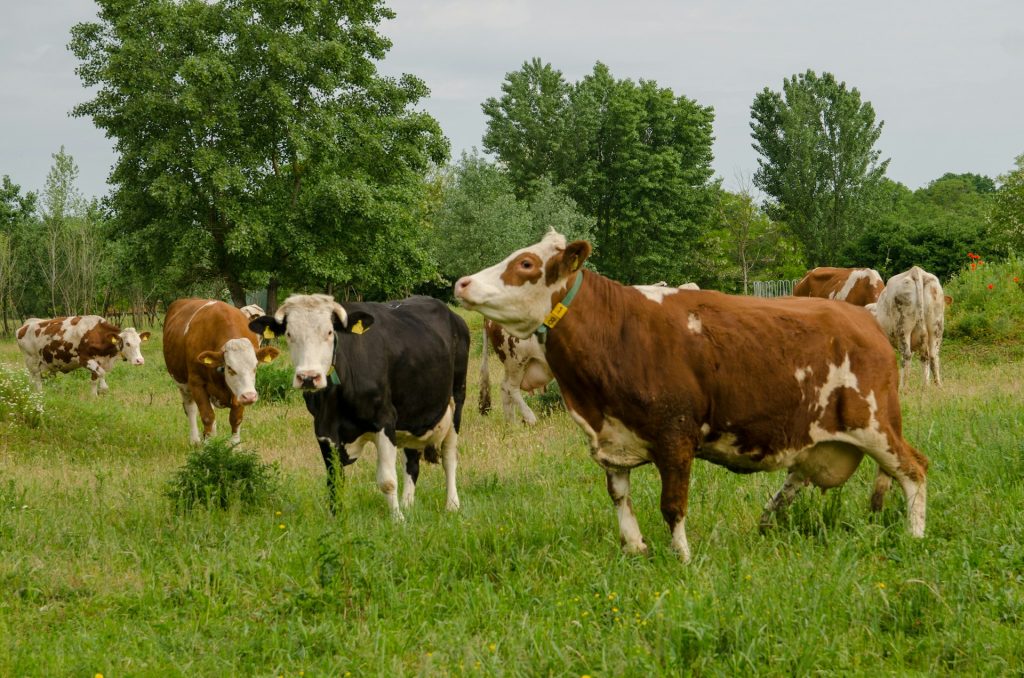
Choosing the right livestock veterinarian is one of the most important decisions a farmer, rancher, or rural animal owner can make. Livestock health affects animal welfare, production, profitability, and the long-term success of an operation. Whether you raise cattle, sheep, goats, pigs, horses, or a mixed herd, having a trusted veterinary partner can make daily management easier and emergencies less stressful. A good livestock vet in Manitoba understands both animal medicine and the practical realities of farming in the province. From cold winters to calving season, transportation challenges, and regional disease concerns, local knowledge matters. The right veterinarian should offer dependable care, clear communication, and guidance that fits your animals, facilities, and goals.
Understand Your Farm’s Needs
Before choosing a livestock vet, start by looking closely at what your farm actually requires. Different operations need different kinds of veterinary support, and the best choice depends on your animals, herd size, production goals, and management style. A beef cow-calf operation may need pregnancy checks, calving support, herd vaccination planning, and emergency care. A dairy farm may require routine herd visits, mastitis control, reproductive management, and production health monitoring. A small mixed farm may need flexible support across several species.
It is also helpful to think about how often you expect to need veterinary services. Some farms need regular scheduled visits throughout the year, while others mainly need seasonal support and emergency availability. If you are expanding your herd, improving biosecurity, or dealing with recurring health problems, you may need a veterinarian who can provide long-term planning. If you show, sell, or transport animals, you may also need help with documentation and health requirements. Understanding your needs first makes it easier to compare clinics and ask the right questions.
Look for Large Animal Experience
Not every veterinarian provides livestock care, so large animal experience should be a top priority. Livestock medicine requires specific skills, equipment, and comfort working in farm environments. A veterinarian who regularly works with cattle, sheep, goats, pigs, or horses will be more familiar with common health issues, handling challenges, and production-related decisions. They will also understand that treatment plans must be practical for the farm, not just medically correct. Experience helps the veterinarian make recommendations that are realistic and useful.
Ask whether the veterinarian routinely works with your species and type of operation. For example, someone experienced with beef cattle may not offer the same services as someone focused on equine care or small ruminants. If you run a multi-species farm, ask whether the clinic can support all of your animals or whether some cases may require referral. It is also worth asking about services such as reproductive exams, herd health planning, disease testing, and emergency farm calls. The goal is to find a veterinary team that can meet your current needs while also supporting your future plans.
Consider Local Knowledge and Regional Challenges
Manitoba farms face unique conditions that can affect livestock health. Weather, forage quality, parasite risks, transportation distances, and seasonal management all shape the kind of veterinary support producers need. A veterinarian with local experience can provide guidance that reflects the realities of farming in the region. They may understand common disease pressures, winter housing challenges, calving season risks, and biosecurity concerns in nearby areas. This knowledge can help prevent problems before they become costly.
Local knowledge is especially important when creating vaccination, parasite control, and herd health programs. Recommendations should not be copied from another region without considering Manitoba’s climate and production systems. For example, winter feeding strategies, shelter needs, and spring turnout plans can all affect animal health. A veterinarian familiar with local conditions can help you prepare for seasonal changes more effectively. Choosing someone who understands the area gives your farm a stronger foundation for preventive care.
Evaluate Emergency Availability
Livestock emergencies do not always happen during regular business hours. Difficult births, bloat, colic, severe injuries, down animals, sudden illness, and disease outbreaks can happen at night, on weekends, or during busy seasons. When choosing a livestock vet, ask how emergency calls are handled. Find out whether the clinic offers after-hours service, how calls are prioritized, and what areas they cover. This information is important before you face a stressful situation.
Emergency availability can vary between clinics, especially in rural areas where travel distances are longer. Some clinics may rotate after-hours coverage with other veterinarians, while others may have limited availability. You should know who to call, what information to provide, and what you can do while waiting for help. A good veterinarian will also help you prepare for common emergencies with clear protocols and basic supplies. Having a plan in place can improve outcomes and reduce panic when quick action is needed.
Review Preventive Care Services
A strong livestock veterinarian does more than respond to illness. Preventive care is one of the most valuable parts of the veterinary relationship. A good vet can help you build a herd health plan that includes vaccinations, nutrition reviews, parasite control, reproductive management, biosecurity, and recordkeeping. These services help reduce disease risk, improve productivity, and support animal welfare. Prevention is often more cost-effective than treating problems after they spread.
When comparing veterinarians, ask what preventive services they offer. Useful livestock veterinary services may include:
- Vaccination planning
- Pregnancy diagnosis
- Breeding soundness exams
- Parasite testing and control
- Nutrition and body condition guidance
- Biosecurity planning
- Disease testing
- Calving, lambing, kidding, or foaling support
- Treatment and medication protocols
- Herd record review
A veterinarian who emphasizes prevention can help your farm become more organized and resilient. They can also help you track results over time and adjust your plan as conditions change.
Assess Communication Style
Good communication is essential when working with a livestock vet. Farmers need clear explanations, practical recommendations, and honest conversations about costs, risks, and expected outcomes. The right veterinarian should be willing to answer questions and explain why a treatment or management change is recommended. They should also listen to your concerns and understand the realities of your operation. A strong veterinary relationship is built on respect, trust, and shared decision-making.
Pay attention to how the clinic communicates from the first contact. Are they responsive when you call or email? Do they explain services clearly? Do they take time to understand your animals and goals? During farm visits, a good vet should provide instructions that are easy to follow and realistic for your setup. Clear communication helps prevent confusion, improves treatment success, and makes long-term planning more effective.
Ask About Farm Visit Logistics
Because livestock care often happens on the farm, logistics matter. Ask whether the veterinarian travels to your area and what travel fees may apply. Find out how far in advance you should schedule routine appointments and whether multiple services can be combined into one visit. For example, you may be able to schedule vaccinations, pregnancy checks, and herd health planning together. Combining services can save time and reduce stress for both animals and handlers.
You should also ask what the clinic expects before a farm visit. Animals may need to be safely contained, handling equipment may need to be ready, and records may need to be available. Good preparation helps the veterinarian work efficiently and safely. It also improves the quality of the examination or treatment. A clinic that communicates expectations clearly can make farm visits smoother and more productive.
Compare Costs and Value
Cost is an important factor, but the lowest price is not always the best value. Livestock veterinary care should be judged by quality, reliability, experience, and the long-term benefits it provides. A veterinarian who helps prevent disease, improve reproduction, and reduce emergencies may save money over time. Good veterinary advice can also help farmers make better decisions about treatment, culling, nutrition, and herd planning. Value comes from both medical care and practical guidance.
Ask for general information about service fees, travel costs, emergency charges, and common procedures. You may not always receive exact pricing without a specific case, but a clinic should be able to explain how billing works. It is also helpful to discuss priorities if you are working within a budget. A good veterinarian can help identify the most important steps to take first. Transparent cost conversations help build trust and prevent surprises.
FAQ
How do I know if a livestock vet is right for my farm? Look for experience with your species, reliable communication, practical farm-based recommendations, emergency support, and services that match your operation’s needs.
Should I choose the closest veterinarian? Location matters, especially for emergencies, but experience and service quality are also important. The best choice balances accessibility with the right livestock expertise.
How often should a livestock vet visit my farm? Many farms benefit from at least one annual herd health review, while larger or more complex operations may need seasonal or routine visits.
What should I ask before hiring a livestock vet? Ask about species experience, emergency availability, farm call areas, preventive care services, pricing structure, and how they handle ongoing herd health planning.
Do small farms need a livestock veterinarian? Yes. Small farms still face risks such as parasites, nutrition problems, reproductive issues, injuries, and infectious disease.
What should I prepare for the first veterinary visit? Have animals safely contained, gather health records, list current concerns, note recent treatments, and be ready to discuss your goals for the herd.
Build a Long-Term Veterinary Partnership
Choosing the right livestock vet is not just about finding someone for one appointment. It is about building a long-term partnership that supports healthier animals and a stronger farm. Over time, your veterinarian will become familiar with your herd, facilities, management style, and goals. This familiarity allows them to make better recommendations and recognize changes more quickly. A strong relationship also makes emergency situations easier because the veterinarian already understands your operation.
The best veterinary partnerships are proactive, practical, and built on trust. Farmers should feel comfortable asking questions, sharing concerns, and discussing both short-term problems and long-term plans. Veterinarians should provide clear guidance, reliable care, and recommendations that fit the farm’s reality. When both sides work together, livestock health management becomes more organized and effective. By choosing the right livestock vet in Manitoba, producers can protect animal welfare, improve productivity, and build a healthier future for their farms.