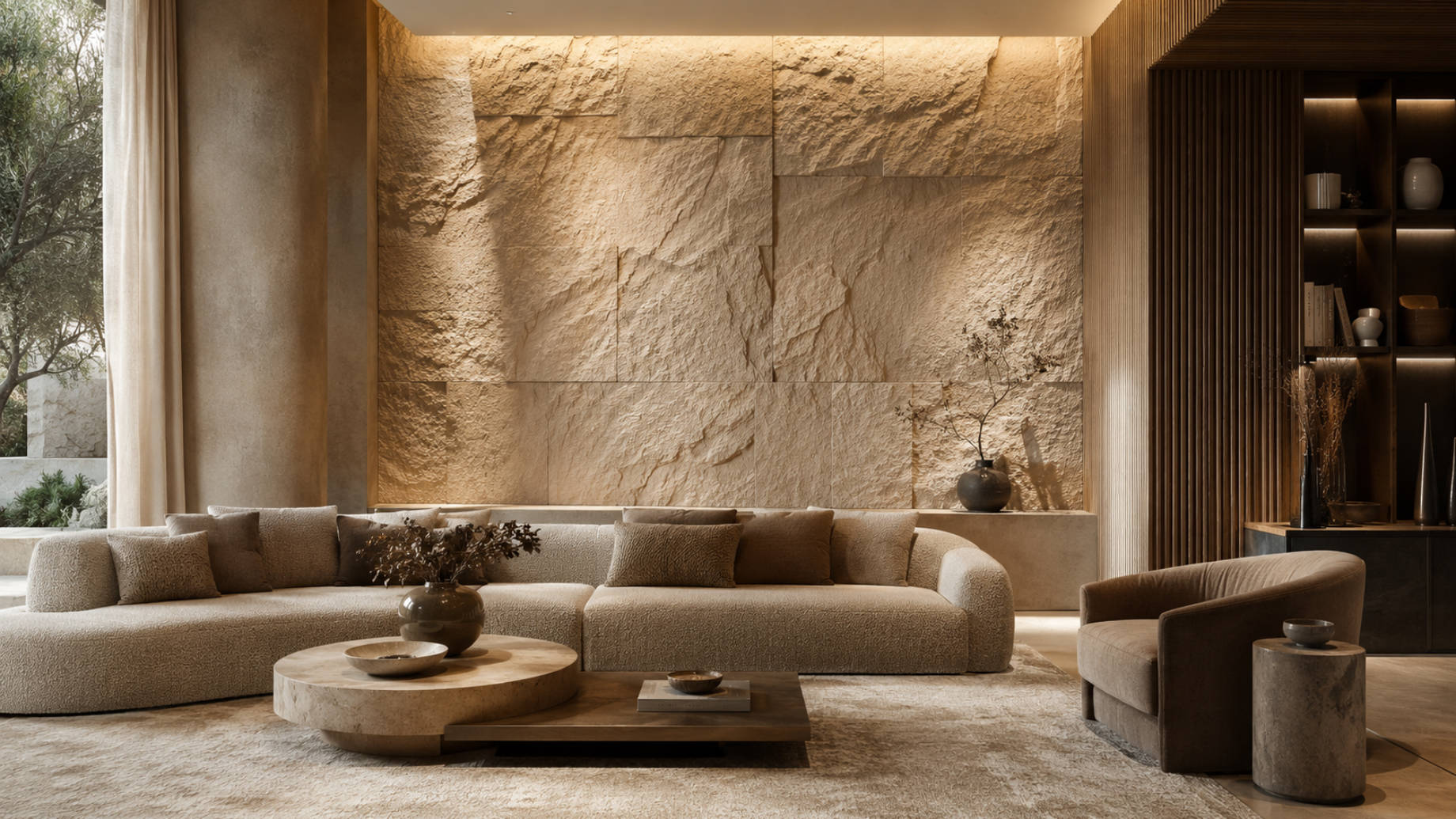
Texture shapes today’s luxury homes more than bold colors ever did. Inside spaces breathe easier when stone meets woven fibers across walls and floors. Think velvet beside rough plaster under soft light. Materials talk louder than decor choices now. Rooms gain soul through touch, not just sight. Surfaces stack like stories – each layer matters. Even quiet corners hum with detail when grain and gloss play together. Depth shows up in folds, cracks, weaves. What you feel changes how you stay.
The Growing Importance of Texture in Interior Designs
Texture brings warmth into sleek luxury spaces. Stone meets soft fabric through careful pairing by those shaping rooms. Wood blends with metal, each piece chosen to add depth without clutter. Decorative Tiles slip between surfaces, hinting at detail upon closer look. Spaces now aim to hold attention, not just impress at first glance.
Light plays off bumpy walls in surprising ways. As the sun moves or lamps glow, ridges catch brightness while dips sink into shade – turning flat rooms into shifting scenes by afternoon or nightfall.
Why Decorative Tiles Are Dominating Luxury Spaces
Beautiful tiles now stand out in high-end home styling thanks to their mix of strength, looks, and many uses.
Texture plays a big role in why decorative tiles are gaining attention lately. From sleek modern rooms to raw industrial lofts, these surfaces find their place without effort. A rustic kitchen with warm tones? They fit right in.
Now you can find far more finish options than before. From flat matte feels to shapes that pop out like sculpture, choices grow every year. Stone-like prints sit alongside handmade styles without matching exactly. Sharp angles mix with soft curves in ways that surprise. These tiles show up everywhere high-end spaces shine.
How Textured Wall Tiles Add Depth and Character
What makes Decorative Tiles stand out is how boldly they look while still fitting right into a room. Starting on one edge and moving across, these tiles break up smooth surfaces with depth that draws the eye. Instead of just covering a wall, they shape the way light moves through an area. Because of this, spaces tend to come alive with subtle detail. Even quiet corners gain a sense of thought behind them.
Most times, designers pick Textured Wall Tiles when they want a feature wall in spaces like lounges or right behind the bed in big sleeping areas. Such setups stand out like artwork, pulling your eye without trying too hard. Painted walls can’t match what these finishes do – depth comes alive, motion hides in the grooves, something flat tones simply miss.
The Role of Lighting in Highlighting Texture
Surfaces come alive when light skims across them just right. A room full of stunning tiles might still feel flat without smart illumination choices. Think about how shadows stretch where texture rises – designers use that effect on purpose.
Light skimming across textured tiles brings out hidden depth, using wall washers or pendants to shape shadow and glow. Recessed spots, along with soft LED glows tucked above or behind surfaces, add dimension without drawing attention. How a room feels changes when textures rise and fall with the light, making flat walls seem alive. Shadows stretch, edges sharpen – space gains complexity through quiet contrast.
Why Homeowners Prefer Textured Finishes Over Flat Walls
Out of nowhere, people care more about how their homes look. A flat white wall isn’t enough anymore. Lately, living rooms spark interest when they show quirks and texture. Surfaces you can feel pull attention just as much as color choices do. Taste swings toward places that surprise the eye without trying too hard.
Some tiles bring character without trying too hard. These options give spaces a personal touch, yet still look refined over time. Surfaces with depth suggest thoughtfulness, not just trends copied everywhere.
Popular Types of Textured Wall Tiles in Luxury Design
Some folks like bumpy wall tiles so much that makers now craft them in loads of wild looks and surfaces. One kind might catch light in jagged streaks, another could soak up noise near the floor. Mood shifts happen depending on which version lands where. Surfaces play tricks without saying a word.
Texture that mimics stone keeps showing up everywhere, thanks to its earthy, never-outdated vibe. Warmth like you’d find in nature slips into spaces, blending smooth alongside wood tones, glass touches, or gleaming metal bits.
Texture as a Tool for Emotional Design
Felt under the hand, texture shapes mood more than color ever could. Emotions rise not just from what we see, but from surfaces touched, walls brushed against. Today’s rooms speak through softness, roughness, smooth shifts beneath fingers. Design leans less on look, more on lived sensation over time.
Comfort comes through soft surfaces, yet drama lives in rougher ones. When varied feels meet, spaces begin to breathe with feeling. A rug might calm what a wall sets alight. Touch shapes how we settle into places, often without notice. Mood shifts happen quietly, guided by texture choices.
Sustainability and the Rise of Natural Looking Materials
Out here, a quiet shift toward eco-aware choices feeds the rise of bumpy, grooved finishes. Tile makers today shape sleek looks that mimic stone or wood – yet pull far less from the planet’s pockets. Instead of taking more, they give older ideas new life through smarter methods hiding just beneath the surface.
From recycled materials, some tiles today mimic natural textured wall tiles – like stone or timber – without needing constant upkeep. Tougher than what they copy, these options stand up well over time. Homeowners get a rich look, minus the environmental cost. Choices like these make lasting design possible without guilt.
The Future of Texture in Interior Design
Now seen as central, texture shapes what we expect from high-end rooms. Not just background detail anymore, it defines the feel under your fingers and in the eyes. With tastes moving closer to realness, comfort, and touch-based appeal, surfaces like patterned tiles and bumpy wall coverings take stronger hold in today’s layouts.
Now texture options feel almost lifelike, thanks to better production methods. Custom surfaces show up more clearly than before, while new shapes rise off the surface in ways once out of reach. What used to be limited is now within grasp, simply because machines shape clay differently today.
Conclusion
Out of nowhere, texture stepped into modern interiors, bringing layers, grace, and character to high-end rooms. These days, people shaping homes expect spaces that pull you in, ease the mind, yet stand out at a glance. Instead of flat surfaces, they turn to Decorative Tiles – alongside Textured Wall Tiles – to make it happen.
Texture changes how a room feels, shaping light and mood beyond what smooth walls can do. Because they last long, adapt easily, and never look outdated, these surfaces stand out in modern luxury spaces.
Still moving forward, how we fill rooms leans heavily on feel – more than look – to build moments people hold onto. Touchable surfaces stick around, quietly defining fancy in ways eyes alone can’t catch.
