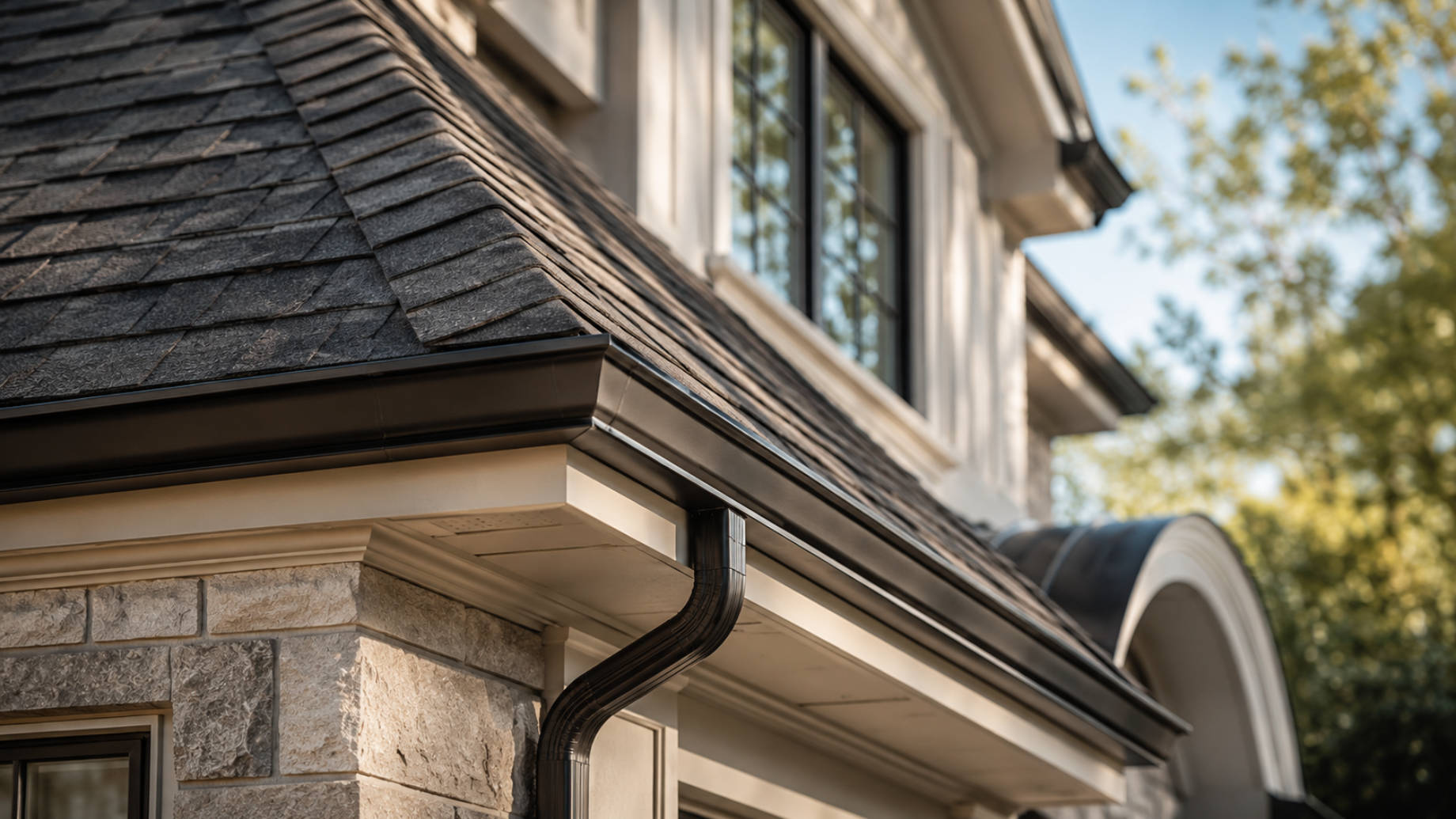
A roof is one of the most important protective systems in any Indianapolis home. It protects the structure from rain, wind, snow, heat, falling debris, and seasonal storm damage. It also affects curb appeal, energy efficiency, resale confidence, and long-term maintenance costs. When roofing problems appear, choosing the right contractor is not only a repair decision. It is a property-protection decision.
Homeowners comparing Indianapolis roofing contractors should look beyond price alone. The right roofing company should provide a careful inspection, clear communication, written documentation, appropriate materials, and workmanship suited to Central Indiana’s weather conditions.
Why Roofing Matters in Indianapolis
Indianapolis homes experience a full range of seasonal conditions. Roofs may face heavy rain in spring, high humidity and heat in summer, wind-driven storms, falling branches, freeze-thaw cycles, and winter snow. Over time, these conditions can weaken shingles, flashing, gutters, underlayment, vents, and roof decking.
Small roofing issues often begin quietly. A loose shingle, cracked flashing, or blocked gutter may not look serious at first, but water intrusion can spread into attic insulation, ceilings, drywall, framing, and electrical systems. That is why roofing work should begin with a proper inspection rather than a quick assumption from ground level.
Common Signs a Roof Needs Attention
Homeowners should not wait until water is visibly dripping indoors. A roof may need professional evaluation if there are early warning signs such as:
- Missing, cracked, curling, or lifted shingles
- Dark streaks, granule loss, or worn roof surfaces
- Water stains on ceilings or upper walls
- Damaged flashing around chimneys, skylights, and vents
- Sagging roof sections
- Gutter separation, overflow, or visible storm debris
- Shingle pieces found in the yard after high winds
- Repeated leaks in the same area
These signs do not always mean the roof needs replacement. In some cases, targeted repair may solve the problem. In others, repeated damage or an aging roof may make replacement the more practical long-term option.
Roof Repair vs. Roof Replacement
One of the most important decisions is whether to repair the roof or replace it. A qualified contractor should explain the condition of the roof, show the damage, and provide a practical recommendation.
Roof repair may be appropriate when the damage is isolated. This can include a small leak, missing shingles, minor flashing failure, or a localized area affected by wind. Roof replacement may be more suitable when the roof is near the end of its useful life, has widespread storm damage, shows significant deterioration, or has recurring leak problems.
The best contractors do not push the most expensive option automatically. They explain the trade-offs, expected lifespan, warranty considerations, and cost implications of each path.
What to Look for in a Roofing Contractor
A roofing contractor should make the process easier to understand, not harder. Before hiring, homeowners should review the contractor’s credentials, local experience, communication style, and documentation.
A strong contractor should provide:
- A detailed inspection
- A written estimate
- Clear explanation of materials
- Proof of insurance
- Local project experience
- Warranty information
- A defined project timeline
- Property protection and cleanup procedures
- A written contract before work begins
The contractor should also be willing to answer direct questions. If the answers are vague, rushed, or heavily sales-driven, that is a warning sign.
Why Written Documentation Matters
Roofing work should be documented carefully. A written estimate or contract helps define what work will be completed, what materials will be used, how payment will be handled, and what happens if additional damage is discovered during the project.
A roofing agreement should clearly address:
- Project scope
- Material type and product details
- Labor and installation responsibilities
- Estimated start and completion dates
- Warranty terms
- Payment schedule
- Cleanup and disposal
- Any inspection or permit requirements
- Process for change orders or hidden damage
This protects the homeowner and reduces misunderstandings. It is especially important for larger repairs, roof replacements, and storm-related work.
Storm Damage and Insurance-Related Roofing Work
Storm damage is a major reason homeowners contact roofing companies in Indianapolis. High winds can lift shingles or loosen flashing. Hail can damage shingles, vents, gutters, and metal components. Heavy rain can expose weak areas around valleys, roof edges, and penetrations.
After a severe storm, homeowners should avoid climbing onto the roof. It is safer to check from the ground for visible damage and then schedule a professional inspection. A roofing contractor can document affected areas with photos, explain the extent of the damage, and help the homeowner understand the repair process.
For insurance-related roofing work, documentation is critical. Photos, written assessments, itemized estimates, and clear communication help homeowners keep the process organized.
Roofing Materials and Long-Term Performance
A roof is a system, not just a surface. Shingles, underlayment, flashing, ridge vents, drip edge, gutters, decking, and attic ventilation all work together. If one part is poorly installed, the entire system may underperform.
In Indianapolis, asphalt shingles are common, but material choice should still be based on the home’s structure, slope, design, budget, neighborhood expectations, and long-term plans. A contractor should explain why a specific material is suitable, not simply offer a generic recommendation.
Ventilation also matters. Poor attic ventilation can trap heat and moisture, shorten material life, and contribute to interior comfort problems. A serious roofing inspection should consider both exterior and attic-related conditions when appropriate.
Why the Lowest Bid Is Not Always the Best Value
Price matters, but the lowest estimate is not always the best choice. A low bid may exclude important materials, use weaker installation practices, reduce cleanup standards, or provide limited warranty protection. Roof problems caused by poor workmanship can become expensive later.
Better value comes from a contractor who installs the roof correctly, communicates clearly, uses appropriate materials, protects the property, and remains accountable after the job is complete. For homeowners who care about long-term property value, the quality of the roofing work should carry more weight than a small upfront price difference.
Questions to Ask Before Hiring
Before signing an agreement, homeowners should ask:
- What did the inspection find?
- Is repair enough, or is replacement recommended?
- Why are you recommending these materials?
- What warranties apply to labor and materials?
- How will you protect landscaping, siding, gutters, and driveways?
- Who will supervise the project?
- What happens if damaged decking is found?
- How will cleanup be handled?
- Will I receive photos or documentation after the work is complete?
Clear answers help homeowners compare contractors more confidently.
Final Thoughts
Roofing services in Indianapolis should be approached with care, especially when storms, leaks, aging materials, or insurance concerns are involved. The right contractor should inspect carefully, explain clearly, document the work, and recommend solutions based on the home’s actual condition.
A roof protects more than the top of a house. It protects the structure, the interior, the value of the property, and the homeowner’s peace of mind. Choosing the right roofing professional is one of the most practical decisions an Indianapolis homeowner can make.
Frequently Asked Questions
How often should an Indianapolis homeowner inspect a roof?
Homeowners should visually check the roof after major storms and schedule a professional inspection when they notice missing shingles, leaks, damaged flashing, gutter problems, or ceiling stains.
Is roof repair better than roof replacement?
Repair may be better for isolated damage. Replacement may be more practical when the roof is old, widely damaged, or repeatedly leaking.
What should a roofing estimate include?
A roofing estimate should include the scope of work, materials, labor, timeline, warranty details, cleanup responsibilities, and payment terms.
Can hail damage be hard to see?
Yes. Hail damage is not always obvious from the ground. A professional inspection can identify bruised shingles, granule loss, dented vents, and other storm-related damage.
Why should homeowners avoid choosing only by price?
A roof is a long-term protective system. Poor installation or weak materials can create leaks, repeated repairs, and higher costs over time.
