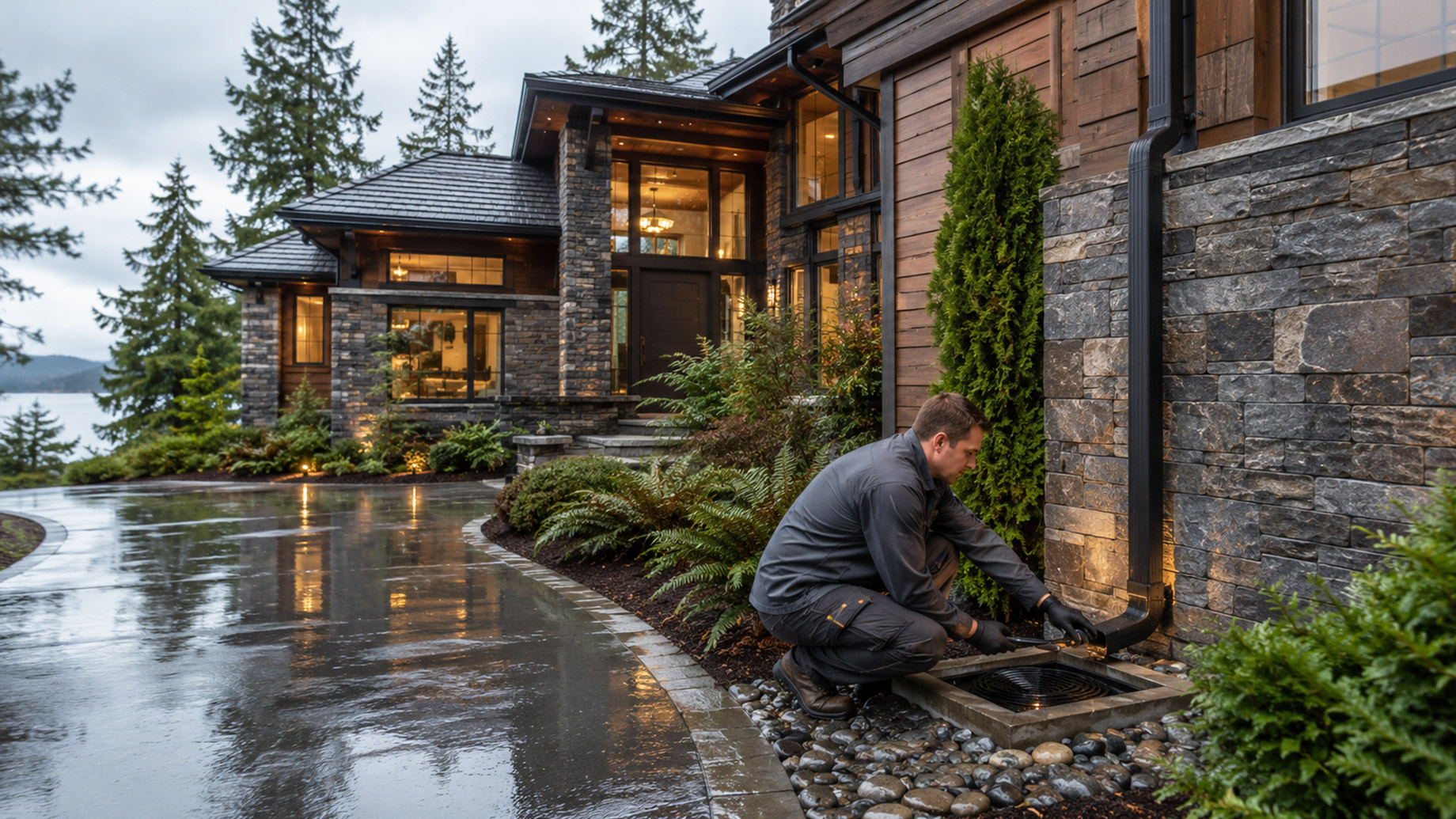
Owning residential real estate in the Seattle region comes with long rainy seasons, fluctuating temperatures, damp crawl spaces, and aging utility systems that often require attention sooner than expected. Preventive care protects property value, reduces emergency repair costs, and creates a safer environment for everyone living inside the home. Small warning signs frequently develop quietly behind walls, beneath flooring, or inside drainage lines long before a major failure becomes visible.
Many homeowners throughout Washington postpone inspections because everything appears functional on the surface. Hidden plumbing leaks, however, may damage insulation, framing, and drywall for months before obvious symptoms emerge. Local residents searching for dependable specialists often prefer to hire a licensed plumber in Ballard before minor pipe concerns become expensive restoration projects. Experienced technicians familiar with Seattle-area construction styles can usually identify vulnerable components much faster than general contractors unfamiliar with regional conditions.
Stormy weather near Puget Sound also creates additional pressure on water lines, sump systems, and exterior drainage infrastructure. Seasonal maintenance helps property owners avoid surprise disruptions during colder months when response times for emergency service calls tend to increase significantly. Careful planning throughout the year reduces stress while preserving comfort inside the home.
Start With Plumbing and Drainage Systems
Water-related damage remains one of the most expensive residential repair categories in the Pacific Northwest. Even a slow drip beneath a kitchen sink can eventually lead to warped cabinetry, mold growth, and structural deterioration. Older neighborhoods around Seattle frequently contain galvanized piping that gradually corrodes from the inside, restricting water pressure and affecting fixture performance.
A practical maintenance routine should include regular fixture inspections, drainage testing, and water heater evaluations. Homeowners often overlook utility spaces because those areas remain out of sight during daily routines. Basements, crawl spaces, and garage utility corners deserve closer attention every season.
Property owners should monitor several common warning indicators:
- Unexplained increases in monthly water bills
- Gurgling sounds near drains or toilets
- Persistent moisture beneath sinks
- Rust-colored water from faucets
- Slow bathtub drainage after cleaning
- Sudden changes in water pressure
Ignoring those symptoms may allow a manageable issue to evolve into a disruptive emergency. Reliable specialists such as Ben’s Plumbing & Drain Cleaning often recommend annual inspections for homes older than twenty years, especially in neighborhoods with mature infrastructure and heavy rainfall exposure.
Protect Roofing, Gutters, and Exterior Surfaces
Seattle’s climate places continuous stress on roofing materials throughout autumn and winter. Moss accumulation traps moisture against shingles, encouraging premature deterioration and increasing the likelihood of hidden leaks. Overflowing gutters may redirect water toward siding, foundations, and basement walls, creating long-term structural concerns that become expensive to correct.
Exterior upkeep should never focus only on appearance. Functional drainage around the property plays an essential role in protecting the entire building envelope. Downspouts must direct runoff away from the foundation, while grading around the home should prevent standing water near exterior walls.
Homeowners frequently benefit from scheduling maintenance during transitional seasons rather than waiting for visible damage. Spring provides a good opportunity to inspect roofing after winter storms, while early fall allows enough time to clear debris before heavy rain arrives.
Another overlooked area involves outdoor plumbing fixtures. Hose bibs, irrigation valves, and exterior spigots often experience gradual wear because exposure to moisture and temperature fluctuations accelerates material fatigue. Small fractures may remain hidden until colder weather causes pipes to freeze or burst unexpectedly.
Improve Indoor Air Quality and Energy Efficiency
Comfort inside the home depends heavily on ventilation, insulation quality, and HVAC performance. Dust buildup inside air ducts reduces airflow efficiency while forcing heating systems to work harder during colder months. Poor ventilation additionally contributes to condensation problems that encourage mildew growth around windows, ceilings, and bathrooms.
Seattle-area properties often struggle with excess indoor humidity because of the region’s wet climate. Exhaust fans should operate properly in bathrooms, laundry rooms, and kitchens to reduce moisture accumulation. Attics deserve inspection as well since trapped humidity may damage insulation and wooden framing components over time.
Several practical upgrades can improve energy efficiency without requiring a complete renovation:
- Replace worn weather stripping around doors
- Seal visible window frame gaps
- Clean HVAC filters every few months
- Insulate exposed hot water pipes
- Install programmable thermostats where possible
Those improvements may lower utility costs while creating a more stable indoor environment throughout changing seasons. Preventive attention also reduces strain on mechanical systems, extending operational lifespan and limiting unexpected failures.
Create a Seasonal Maintenance Schedule
Organization remains one of the strongest advantages a homeowner can develop. Maintenance tasks become far easier when distributed throughout the year rather than handled only after visible problems appear. Structured planning helps property owners budget for upgrades while preventing overlooked responsibilities.
Spring usually works best for exterior inspections, drainage cleaning, and roofing evaluations. Summer provides favorable conditions for repainting surfaces, repairing decks, and checking irrigation systems. Autumn should focus on gutter clearing, weatherproofing, and furnace preparation before colder temperatures arrive. Winter months offer a useful opportunity to monitor insulation performance and inspect indoor plumbing for leaks or freezing risks.
Digital reminders, maintenance apps, or printed checklists can simplify long-term planning considerably. Documentation also becomes valuable during future property sales because buyers appreciate evidence of consistent upkeep and responsible ownership.
Unexpected emergencies still happen even with careful preparation. Fast access to trusted professionals becomes essential when pipe failures, sewer backups, or water heater breakdowns occur without warning. Working with established local companies familiar with Washington construction conditions often leads to quicker diagnostics and more reliable repair outcomes.
Thoughtful maintenance ultimately protects more than a building itself. Proper care preserves comfort, safety, efficiency, and long-term financial stability for everyone living inside the property. Consistent attention today can prevent major restoration expenses tomorrow while helping homeowners feel more confident about the condition of their investment.
