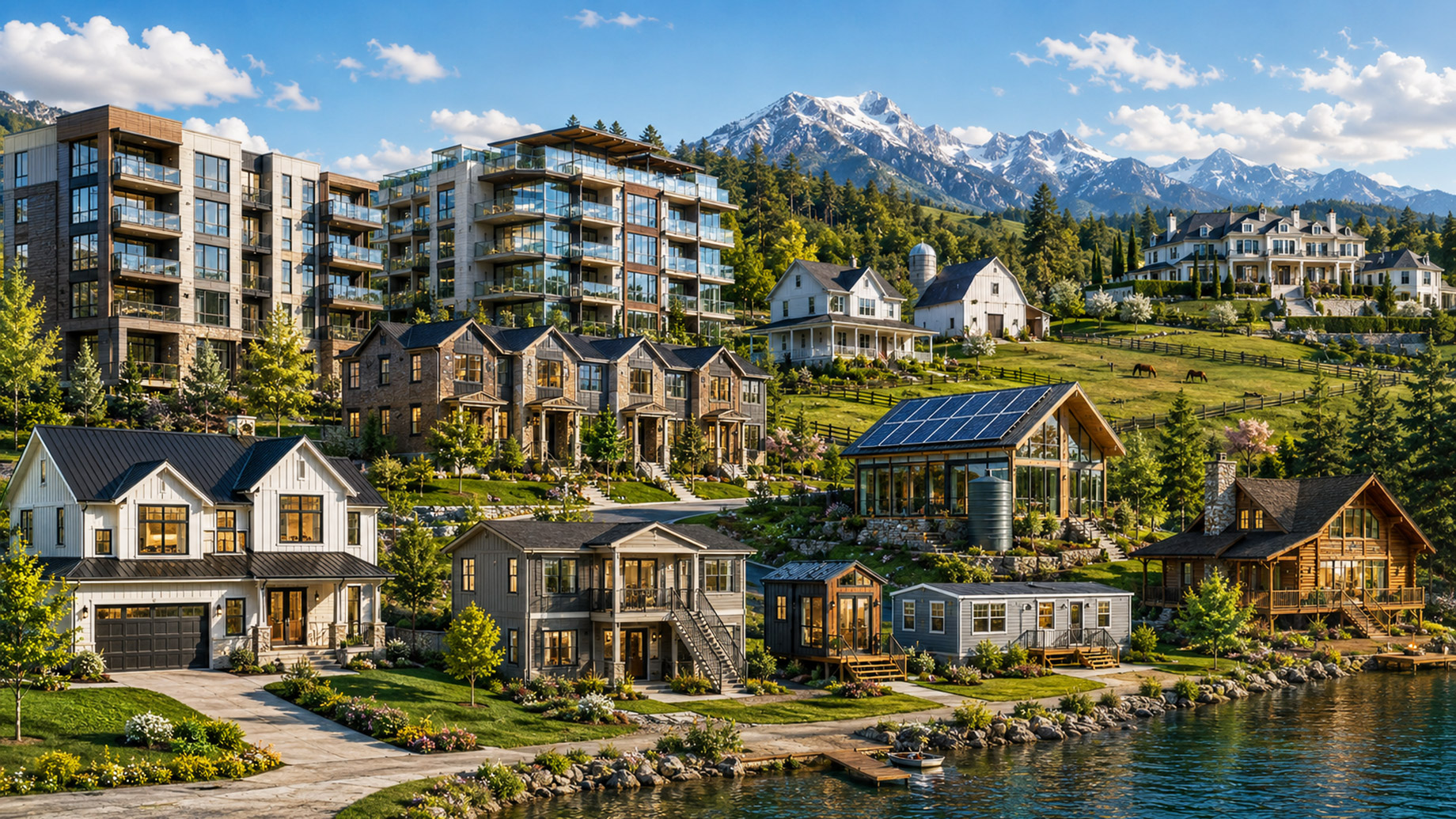
Finding the right home is one of the biggest decisions a person or family can make. A home is more than just a place to sleep — it affects your finances, comfort, daily routine, lifestyle, and future goals. Some people dream of a spacious suburban house with a backyard, while others prefer the simplicity of a tiny home or the convenience of city apartment living.
With so many housing options available today, choosing the right type of home can feel overwhelming. Each style offers unique advantages and disadvantages depending on your budget, location, family size, and long-term plans.
This guide explores the most common types of homes and helps you determine which one best matches your lifestyle.
Single-Family Homes
Single-family homes are among the most popular housing choices, especially for families. These are standalone houses built on their own lot and are not attached to neighboring properties.
Pros
- More privacy
- Outdoor space for gardens, pets, or recreation
- Greater freedom for renovations and customization
- Typically larger living areas
Cons
- Higher purchase price
- More maintenance responsibilities
- Property taxes and utility costs may be higher
Single-family homes work well for growing families, homeowners who value privacy, or people planning to stay in one location for many years.
Apartments
Apartments are residential units located within larger buildings or complexes. They are common in cities and urban areas where space is limited.
Pros
- Lower maintenance responsibilities
- Often located near work, shopping, and entertainment
- Access to amenities such as gyms or pools
- Usually more affordable than buying a house
Cons
- Limited space
- Less privacy
- Restrictions on renovations or pets
- Monthly rent can increase over time
Apartments are ideal for students, young professionals, frequent travelers, or people who prefer convenience and minimal upkeep.
Condominiums (Condos)
Condos combine elements of apartment living and homeownership. Owners purchase individual units while sharing common areas with other residents.
Pros
- Ownership benefits without major exterior maintenance
- Shared amenities
- Often located in convenient urban areas
- Strong sense of community
Cons
- Homeowners association (HOA) fees
- Rules and regulations may limit customization
- Shared walls reduce privacy
Condos are often a good choice for retirees, professionals, or first-time buyers who want ownership without maintaining a large property.
Townhouses
Townhouses are multi-floor homes attached to neighboring units by shared walls. They typically offer more space than apartments or condos.
Pros
- More affordable than detached homes
- Multiple floors provide additional living space
- Lower maintenance than single-family homes
- Often include small yards or garages
Cons
- Shared walls may create noise issues
- HOA rules may apply
- Less privacy than standalone houses
Townhouses appeal to small families, couples, or buyers looking for a balance between affordability and space.
Tiny Homes
Tiny homes have become increasingly popular among people seeking financial freedom, simplicity, and sustainable living. These compact houses usually range from 100 to 400 square feet and are designed to maximize every inch of space.
Tiny homes come in many styles, including cabins, modern minimalist homes, and tiny houses on wheels (THOWs).
For people interested in mobility and flexible living, building on a tiny house trailer allows homeowners to legally transport their home and relocate more easily when needed.
Pros
- Lower construction and utility costs
- Minimal maintenance
- Eco-friendly and energy efficient
- Encourages a simpler lifestyle
- Greater mobility for some models
Cons
- Limited storage and living space
- Zoning and legal restrictions in some areas
- Difficult for larger families
- Less privacy when multiple people share the space
Tiny homes are ideal for minimalists, digital nomads, retirees, solo homeowners, couples, or anyone looking to reduce living expenses. They are also becoming popular as vacation rentals and backyard guest houses.
Many aspiring homeowners begin their journey by exploring tiny house plans that help them maximize space, improve functionality, and customize a home that fits their lifestyle and budget.
For many people, tiny living is not just about downsizing — it is about prioritizing experiences, travel, and financial independence over excess space and possessions.
Mobile Homes and Manufactured Homes
Mobile homes, also called manufactured homes, are factory-built houses transported to a property site.
Pros
- More affordable than traditional homes
- Faster construction timelines
- Flexible location options
- Modern models can be highly comfortable
Cons
- Land ownership may be separate
- Financing can be more complicated
- Value may depreciate faster than traditional homes
Manufactured homes are a practical option for buyers seeking affordability without sacrificing basic comforts.
Duplexes and Multi-Family Homes
A duplex contains two separate living units within one building, while multi-family homes may contain several units.
Pros
- Opportunity to generate rental income
- Suitable for multi-generational families
- Shared property costs
Cons
- Less privacy
- Landlord responsibilities if renting units
- Potential tenant conflicts
These homes are attractive to investors and families wanting relatives nearby while maintaining separate living spaces.
Farmhouses and Rural Homes
Farmhouses are typically located in rural settings and offer larger land areas. While traditionally associated with agriculture, modern farmhouses are now popular for their relaxed and spacious feel.
Pros
- Peaceful environment
- More land and outdoor space
- Ideal for gardening or farming
- Slower-paced lifestyle
Cons
- Longer travel distances to cities
- Higher transportation costs
- More property upkeep
Farmhouses are ideal for people who enjoy nature, privacy, gardening, or rural living.
Cabins and Vacation Homes
Cabins and vacation homes are often located in scenic destinations such as mountains, lakes, or forests. Some people use them seasonally, while others live in them full time.
Pros
- Relaxing atmosphere
- Strong connection to nature
- Great for weekend retreats or rentals
Cons
- Seasonal maintenance
- Potentially remote locations
- Secondary home expenses
Cabins appeal to outdoor enthusiasts and those wanting an escape from busy urban environments.
Eco-Friendly and Sustainable Homes
Sustainable homes are designed to reduce environmental impact through energy-efficient systems, eco-friendly materials, and renewable energy solutions.
Pros
- Lower utility bills
- Reduced environmental footprint
- Healthier indoor air quality
- Long-term energy savings
Cons
- Higher upfront construction costs
- Specialized maintenance for some systems
Features may include solar panels, rainwater collection systems, composting toilets, green roofs, and energy-efficient appliances.
As environmental awareness grows, more homeowners are choosing sustainable designs to lower costs and live more responsibly.
Luxury Homes
Luxury homes prioritize premium features, custom architecture, and upscale amenities.
Pros
- Spacious layouts
- Premium finishes and technology
- Prestigious locations
- Excellent entertainment spaces
Cons
- High purchase and maintenance costs
- Increased property taxes and utilities
Luxury homes suit high-income buyers who prioritize comfort, exclusivity, and premium living experiences.
Choosing the Right Home for Your Lifestyle
Selecting the best home involves more than comparing prices or square footage. The ideal home should align with your daily habits, financial goals, and future plans.
Here are several important factors to consider:
Budget
Your budget affects not only the purchase price but also:
- Maintenance costs
- Utilities
- Insurance
- Property taxes
- HOA fees
A smaller home may offer greater financial flexibility, while a larger property may require long-term financial commitment.
Family Size
A single person may thrive in a studio apartment or tiny home, while larger families often need multiple bedrooms and outdoor space.
Think about both current and future needs:
- Children
- Elderly family members
- Guests
- Home office requirements
Lifestyle Preferences
Ask yourself:
- Do you enjoy city life or quiet rural surroundings?
- Do you travel frequently?
- Do you want a minimalist lifestyle?
- How important is outdoor space?
- Do you prefer low-maintenance living?
Your answers can quickly narrow down the best housing options.
Work and Commute
Location plays a major role in quality of life. Living closer to work, schools, or essential services can save time and transportation costs.
Remote workers may have more flexibility to choose rural homes, cabins, or tiny houses outside major cities.
Long-Term Goals
Consider how your housing choice fits into your future plans:
- Starting a family
- Retirement
- Building wealth
- Investing in rental income
- Traveling more often
For example, some people choose tiny homes to reduce expenses and achieve financial independence faster, while others invest in larger properties for long-term family living.
The Growing Popularity of Tiny Living
One of the biggest shifts in modern housing trends is the rise of tiny homes and minimalist living. Rising housing costs, remote work opportunities, and environmental concerns have encouraged many people to rethink how much space they actually need and look for tiny homes for sale.
Tiny homes offer a lifestyle centered around efficiency, intentional living, and freedom from excessive debt. While they are not suitable for everyone, they demonstrate that a fulfilling home does not always require thousands of square feet.
Many homeowners now combine tiny living with sustainable practices such as solar power, rainwater harvesting, and off-grid systems to create affordable and environmentally friendly lifestyles.
Final Thoughts
There is no single “perfect” type of home for everyone. The right choice depends on your priorities, finances, lifestyle, and future goals.
Some people value space and privacy, while others prioritize mobility, affordability, or convenience. Whether you choose a suburban family home, a downtown apartment, a countryside farmhouse, or a tiny home, the best home is the one that supports the way you want to live.
As housing trends continue to evolve, buyers now have more options than ever before. Taking time to understand the advantages and challenges of each type of home can help you make a confident and informed decision that fits your lifestyle for years to come.
