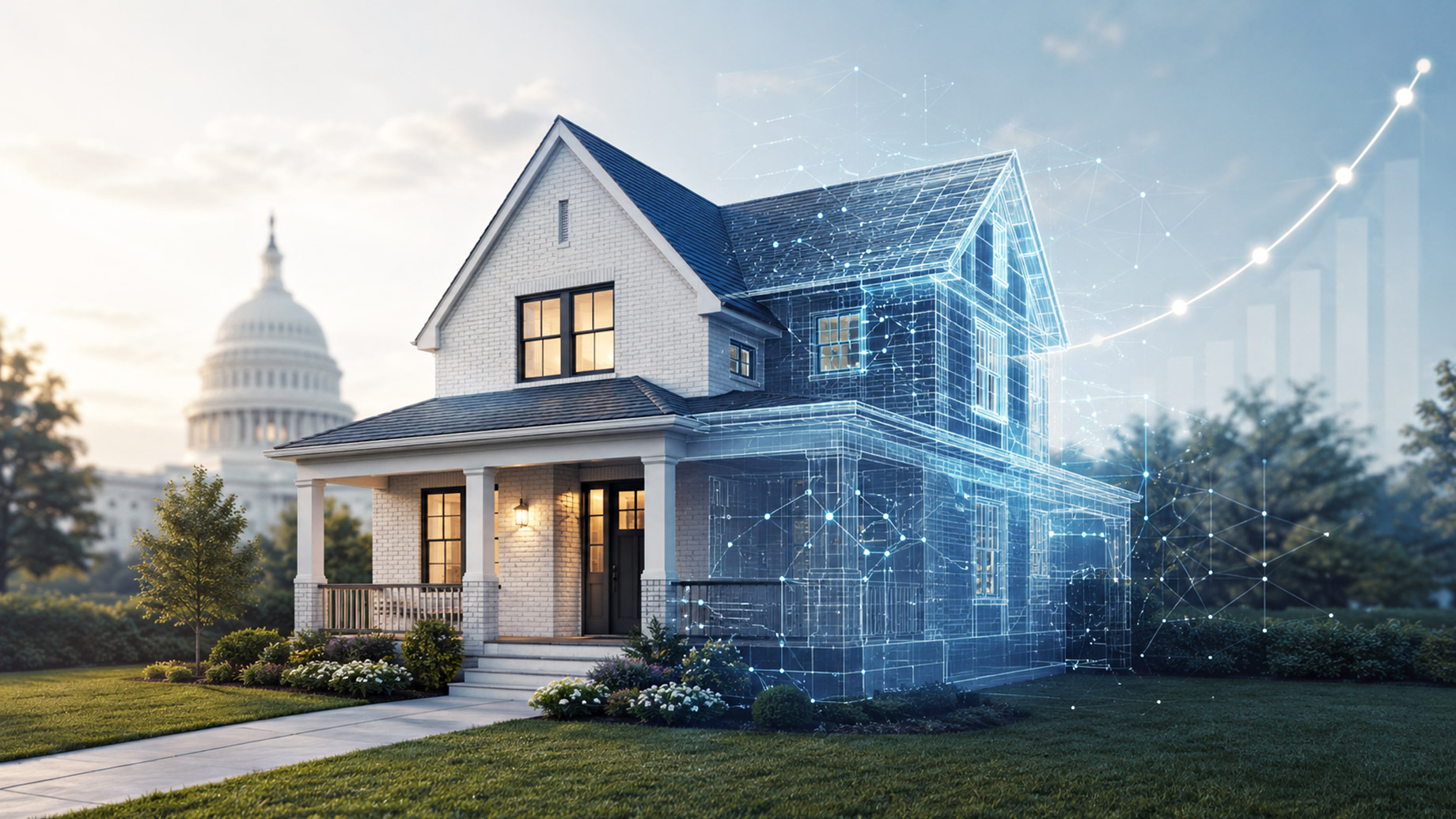
The American housing market is at a crossroads this spring. A landmark piece of legislation, stubbornly elevated mortgage rates, and a deeply divided market between luxury and entry-level buyers are all colliding at once, creating both new opportunities and fresh frustrations for buyers, sellers, and investors alike.
Congress Delivers a Historic Housing Bill
The biggest policy headline of the week came from Capitol Hill. On May 20, the U.S. House of Representatives passed the 21st Century ROAD to Housing Act with an overwhelming bipartisan vote of 396 to 13. The bill takes aim at the country’s chronic affordability crisis from multiple angles: expanding loan programs to fund new construction, cutting red tape for homebuilders, lowering production costs for manufactured homes, and placing new restrictions on large corporate investors. The legislation now moves to the Senate, where its path remains uncertain. Still, the National Association of Realtors described a mood of “cautious optimism” spreading through the industry as the long-stalled policy environment begins to shift.
AI Home Design Quietly Transforms the Industry
Away from the policy debate, artificial intelligence is reshaping how homes are built and sold. On the construction side, AI platforms can now auto-generate zoning-compliant site plans and optimize structural layouts in a fraction of the time previously required — a meaningful edge in a market squeezed by labor shortages. For buyers, AI home design tools allow anyone to photograph a room and instantly visualize new finishes, layouts, or full renovations with photorealistic results. Virtual AI staging has also become standard practice in listings, with agents reporting faster sales and stronger offers. “Buyers used to walk away from a great house because the kitchen felt dark,” one industry observer noted. “Now they can see the transformation instantly.”
Mortgage Rates Refuse to Cooperate
That optimism was quickly tested by fresh borrowing cost data. Freddie Mac’s weekly survey showed the average 30-year fixed mortgage rate rising to 6.51%, up from 6.36% the prior week, with some lenders quoting as high as 6.63%. Hopes of rates easing into the 5% range by mid-2026 are now widely seen as unrealistic, pressured by persistent inflation and geopolitical uncertainty from the ongoing Middle East conflict. Redfin analysts also point to a continuing “lock-in effect” — homeowners holding 3% pandemic-era mortgages have little incentive to sell, keeping inventory painfully thin.
A Tale of Two Markets
Nowhere is today’s divide more visible than the contrast between the Bay Area and the rest of the country. Fueled by the AI tech boom, San Francisco home prices surged 19% year-over-year in March 2026, with a median of $1.7 million — roughly 280% above the national average. Yet Zillow’s latest forecast warns that more than 300 U.S. housing markets could see home values decline over the next 12 months. Economists are calling it a “K-shaped” market — luxury accelerating at the top, entry-level buyers falling further behind at the bottom.
Fannie Mae’s May 2026 Housing Forecast reflects the tension: total home sales are expected to rise a modest 2.1% this year with a stronger 6.7% gain in 2027, but new single-family housing starts are forecast to decline 2.4% in 2026, constrained by labor shortages, slow permitting, and elevated material costs.
Looking Ahead
The U.S. housing market in spring 2026 is defined by the tension between long-overdue policy progress and stubborn structural challenges. Until mortgage rates ease meaningfully and new construction picks up, the supply-demand imbalance will persist. In the meantime, AI home design may be one of the few forces quietly moving the needle — making it faster to build, easier to buy, and simpler to imagine the home you want.
