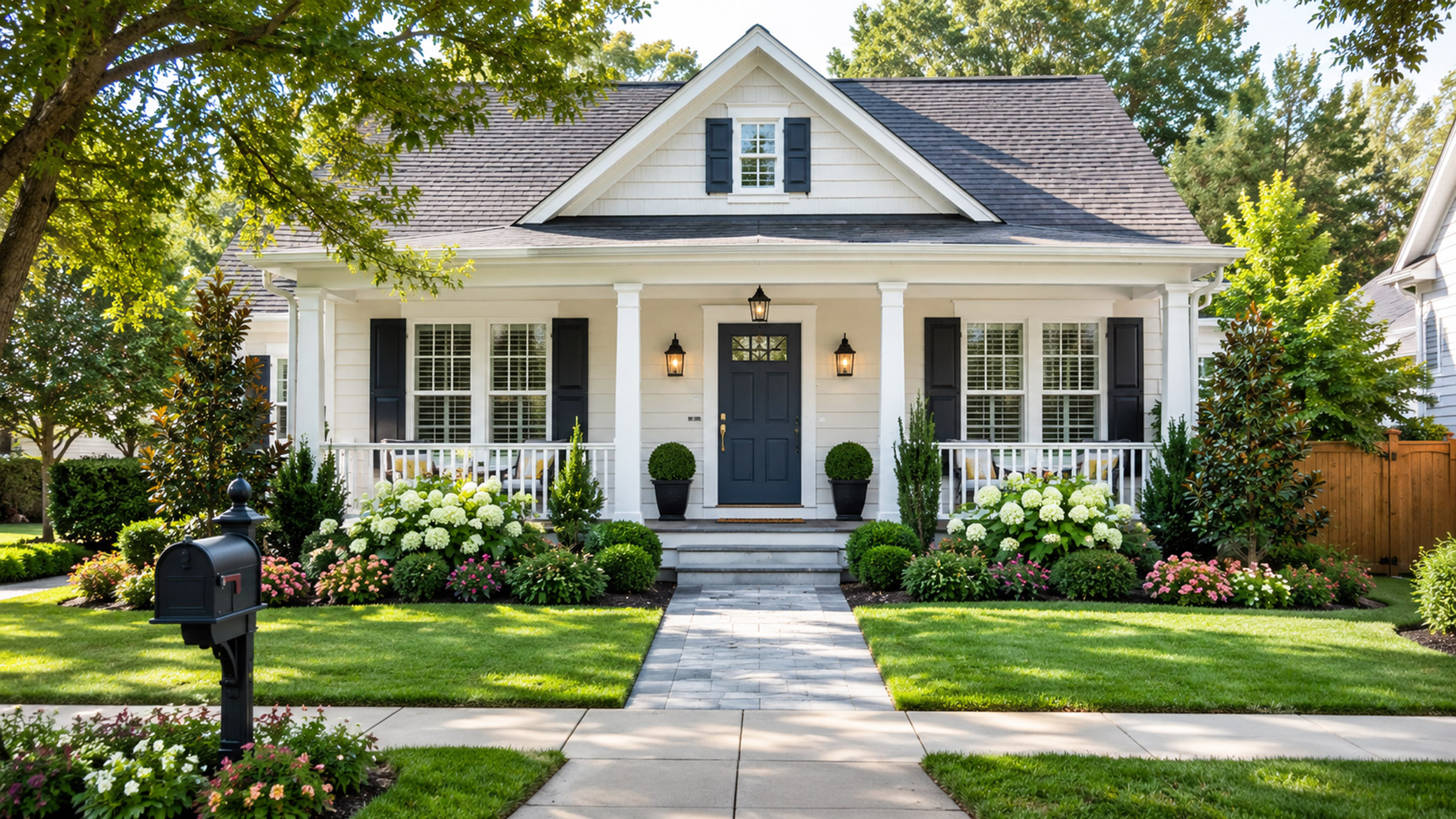
Alright, picture this. You’re out house hunting on a Saturday morning, coffee in hand. You park in front of two homes for sale. One has a crooked mailbox, faded shutters, and a lawn that looks downright thirsty. The other’s got a clean path, fresh paint, happy flowers, and you swear the front door is practically beaming at you. Which one makes you want to see more?
Yep, the answer’s obvious. We all judge a place by its “cover”—especially when it comes to selling homes. You only get that single, fleeting shot at a first impression, and the exterior of your home is the handshake. The difference it makes isn’t just hype. Let’s unpack what good curb appeal—or, honestly, the lack of it—means for anyone thinking about listing their home.
That Gut Reaction (And Buyers Have It Instantly)
Even if a buyer knows the bathroom is newly renovated or the kitchen’s straight out of a magazine, most folks still say yes or nope the second they pull up. I once walked into an open house where the front steps were so crooked, my first thought was, “If they let this slide, what else did they ignore?” It’s totally emotional. People want to feel proud, safe, and, honestly, a little bit charmed before they even cross the threshold.
There’s real data behind this, too. According to studies, homes with strong curb appeal can sell for as much as $20,000 more than homes with a neglected exterior. Sometimes just tidying up the front yard and fixing the porch light is enough to win over someone on the fence.
More Than Just Pretty—It’s About Trust
A spruced-up exterior says a lot (without saying a word) about how a house has been looked after over the years. Think about it: if you see peeling paint or loose gutters, you start to wonder if pipes and roofs are in the same shape. On the flip side, a house that feels inviting suggests the inside’s been kept up, too. It’s not fair, but that’s how buyers think.
If you’re starting to stress about all this, don’t worry—it doesn’t always mean full-on construction. Sometimes the little stuff makes the biggest impact. Power wash. Paint the trim. Plant something—anything—green. Swap that old brass door handle for something modern. All these fixes show you care, and buyers will pick up on that.
The Magic of Exterior Home Remodeling (When It’s Worth It)
Now, about the bigger stuff: should you splurge on new siding, a fresh roof, or a brand-new front porch? Depends on your budget and your local market, honestly. But exterior home remodeling can seriously boost your bottom line if you do it right. For example, replacing your garage door or refreshing your entryway can bring an eye-popping return on investment—sometimes recouping nearly every penny.
If the neighbors all have modern stone walkways and you’ve got crumbling concrete, a little upgrade can stop your place from being the “before” picture that buyers skip altogether. Don’t forget: most buyers see your place first online, in photos. A sharp-looking exterior is what gets them to hit “schedule a showing.”
It’s Not About Perfection—It’s About Effort
You don’t need to blow your savings on landscaping worthy of a magazine shoot. What matters most is that you show you care. Clean, simple, and welcoming trumps fussy or overdone. Sometimes the smartest money you’ll spend is on mulch, fresh house numbers, or just tackling the weeds and cobwebs from top to bottom.
If you’re getting ready to sell, take a drive around your block and really look at your house, the way a stranger would. Sometimes that’s all it takes to spot what’s missing.
Selling? Don’t Skip the Small Stuff
If you’re even thinking about putting your house on the market, don’t save all the TLC for the inside. Make the outside count. It’s your home’s handshake, wave, and smile, all rolled into one. And the best part? You don’t need a huge budget—just some honest effort and a sharp eye for what buyers see.
Get that curb appeal working for you, and watch how quickly people show up to see the inside. Sometimes all it takes is a little sunlight, a splash of color, and the willingness to view your place through someone else’s eyes.
