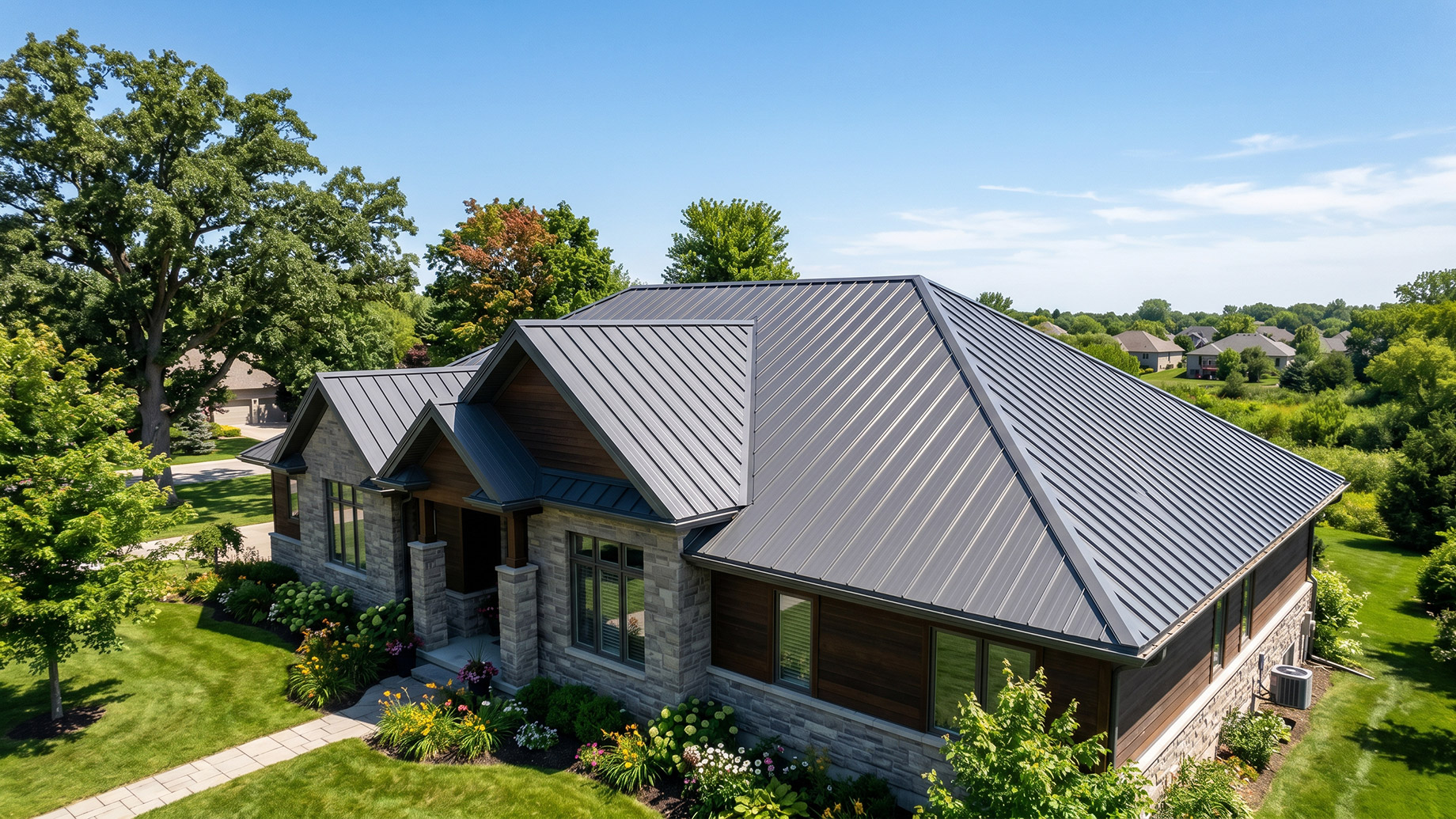
Metal roofs are known for their durability and longevity, but how long can you expect one to last before needing a replacement?
In this guide, we’ll explore the average lifespan of a metal roof, factors that influence its longevity, and how to get the most out of your investment.
What is the Average Lifespan of a Metal Roof?
According to metal roofing contractors, a metal roof can last between 40 and 70 years, depending on the material and environmental conditions.
In general, metal roofs outlast traditional roofing materials like asphalt shingles, which have a typical lifespan of 15–20 years.
Average Lifespan by Material Type:
- Steel: 40–70 years
- Aluminum: 50–70 years
- Copper: 70+ years
- Zinc: 70+ years
The specific lifespan of your metal roof will depend on the metal used, installation quality, climate, and ongoing maintenance.
What Affects the Lifespan of a Metal Roof?
1. Roof Material Type
The type of metal used for your roof plays a major role in how long it will last. Here’s a breakdown:
- Steel Roofs: The most common and affordable option. Typically lasts 40–70 years, depending on the coating.
- Aluminum Roofs: Highly resistant to corrosion, making them ideal for coastal areas. Lasts 50–70 years or longer.
- Copper Roofs: Expensive but long-lasting, often exceeding 70 years.
- Zinc Roofs: Durable and resistant to corrosion, zinc roofs can also last 70+ years.
2. Climate and Weather Conditions
The climate in which you live affects how long your metal roof lasts. In humid or coastal areas, corrosion from saltwater can speed up wear and tear, especially for steel roofs.
For example, homeowners considering metal roofing in Richmond Hill, Georgia, should ask a local installer how the proposed panels, finish, fasteners, and flashing will perform in coastal conditions. The material specification and installation details both affect how well the roof holds up over time.
In hot, sunny regions, the metal will expand and contract with temperature fluctuations, which may reduce the roof’s lifespan if not installed with proper expansion joints.
3. Roof Pitch
Roofs with a steeper pitch tend to last longer than flat or low-slope roofs. Steep pitches allow water to drain more efficiently, preventing water from sitting on the roof and potentially causing rust or damage.
4. Maintenance and Care
Regular maintenance can extend the lifespan of your metal roof. Routine inspections, cleaning, and repairing any damage as soon as it occurs will help keep your roof in optimal condition.
Regularly removing debris, inspecting the sealants, and maintaining gutters are important tasks that prevent long-term damage.
Benefits of Metal Roofs That Contribute to Their Longevity
1. Durability
Metal roofs are incredibly durable. They are designed to withstand extreme weather conditions such as high winds, heavy rain, and snow. In fact, some metal roofs are rated to withstand wind gusts of up to 140 mph and resist hail damage better than traditional roofing materials.
2. Corrosion Resistance
Certain types of metal roofs, particularly aluminum and zinc, have excellent corrosion resistance. These roofs are ideal for areas that experience high humidity or coastal saltwater exposure.
3. Energy Efficiency
Metal roofs reflect sunlight, which helps reduce heat absorption. This can lead to significant energy savings over the lifespan of the roof, especially in warmer climates. By improving your home’s insulation, you can also extend the lifespan of your roof by reducing the strain from temperature fluctuations.
4. Eco-Friendly
Metal roofs are made from recyclable materials, and when they reach the end of their lifespan, they can be fully recycled. This makes them an environmentally friendly roofing option.
Signs That Your Metal Roof Needs Replacement
While metal roofs are long-lasting, they don’t last forever. Here are some signs that your metal roof may need to be replaced:
- Rust or Corrosion: Particularly in coastal areas, prolonged exposure to saltwater can cause rust to form.
- Loose or Missing Panels: If panels have become loose or are missing, your roof may no longer provide the necessary protection.
- Leaks: A leaking metal roof may indicate a failure in the sealants or joints, requiring immediate attention.
- Extreme Wear and Tear: Over time, metal roofing can show signs of wear, such as fading, scratches, or dents that affect its functionality.
Metal Roof Maintenance to Extend Lifespan
To ensure your metal roof lasts as long as possible, regular maintenance is key:
1. Clean Debris Regularly
Leaves, branches, and other debris can trap moisture on your roof and lead to rust. Regularly remove debris from the roof and gutters.
2. Inspect for Damage
Check for loose screws, cracks, or dents. Small issues should be addressed before they become larger problems.
3. Seal Joints and Fasteners
Ensure that joints, seams, and fasteners are sealed properly to prevent water from leaking through and causing damage.
4. Check for Rust
If you notice any rust spots, clean them off and apply a rust-resistant treatment.
5. Coat Your Roof
Applying a protective coating every 10–15 years can help extend the lifespan of your roof and keep it looking fresh.
Conclusion: How Long Does a Metal Roof Last?
So, how long does a metal roof last?
On average, metal roofs last anywhere from 40 to 70 years, depending on the material, climate, and maintenance.
With proper care and regular maintenance, a metal roof can provide reliable, long-lasting protection for your home for decades to come.
By choosing the right metal roofing material, keeping up with maintenance, and addressing issues early, you can maximize the lifespan of your roof and protect your home for years.
