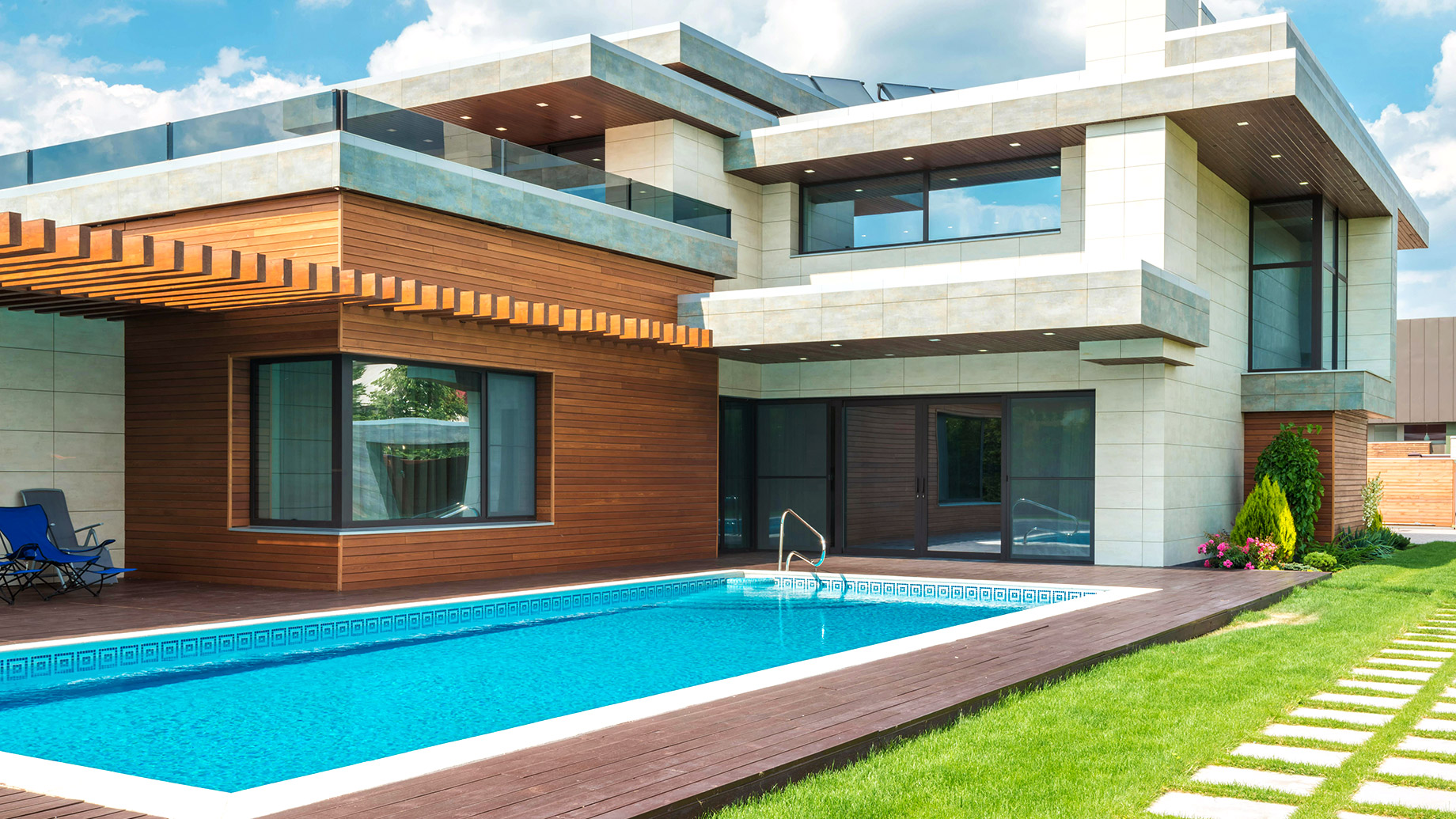
Luxury homes today are expected to do more than impress at first glance. They are built to perform, respond and support everyday living with quiet precision. This shift reflects homeowners who want comfort without waste and control without complication. Every system is now expected to serve a clear purpose. Efficiency is no longer an afterthought, it is built into the structure itself.
A high-end property should feel effortless to live in. Systems respond without constant input, and resources are managed without disruption. Thoughtful planning makes that possible. When efficiency is considered early, the result feels natural rather than forced. The goal is not to remove luxury, it is to refine it.
1. Plan Smart Before Anything Gets Built
Efficiency starts well before construction. Planning decisions shape how a home performs over time, which is why architects and engineers are expected to align layout, orientation and system placement early. Windows are positioned for light and airflow, while insulation is chosen based on climate.
Too often, homes are designed first and optimized later, which leads to avoidable issues. When efficiency guides the process, materials and structural choices support long-term performance. Consider a home with large glass walls that cause overheating; better glazing or shading could have solved this early.
Strong planning reduces the need for costly fixes – and creates a more stable, comfortable living environment from the start.
2. Choose Systems That Actually Do Something
Technology has become part of modern homes, yet not every feature delivers real value. Some systems are added for appearance, while others quietly improve daily living. The difference lies in how they are selected and used.
Water management is one area where practical upgrades are gaining attention. A home water meter, for example, tracks usage in real time and highlights unusual spikes that may point to leaks or inefficiencies. This makes it easier to spot problems early, before they turn into costly damage.
Energy systems are also being refined. Smart thermostats, automated lighting and integrated climate controls are being used to reduce unnecessary consumption. These systems are often programmed to adjust based on occupancy, which improves efficiency without constant manual input.
3. Invest In Materials That Work Harder
Materials are often selected based on appearance, yet their performance plays a much larger role in efficiency. Structural components influence how a home retains energy and withstands environmental conditions. These choices are made early, but their impact lasts for years.
High-performance insulation reduces the need for excessive heating or cooling. Advanced window glazing limits heat transfer while still allowing natural light to enter. Roofing materials can reflect sunlight, which helps maintain indoor temperatures during warmer months.
Durability also matters. Materials that hold up over time reduce the need for frequent replacements, which lowers resource use. Would it not be better to invest once and avoid repeated maintenance?
There is also a growing interest in materials that support environmental responsibility. These options tend to offer better insulation and improved longevity, which contributes to overall efficiency.
Each layer of material adds to the home’s performance – and those layers work together to create a stable environment.
4. Let Energy Flow Without Interruption
Energy efficiency is not just about reducing numbers, it is about creating balance. A home should feel comfortable without constant adjustments. Heating, cooling and lighting should respond naturally to changing conditions.
System integration plays a key role here. Individual components may perform well, yet their full potential is realized when they work together. Lighting can adjust based on daylight, while climate systems respond to occupancy. Ventilation can maintain air quality without manual control.
A common issue occurs when systems operate independently. One system may cool a space while another introduces warm air, creating unnecessary strain. When integration is prioritized, these conflicts are reduced.
Energy flow should feel consistent – not forced. A home that maintains comfort with minimal input is operating efficiently. That sense of ease is often noticed, even if it is not always understood.
5. Pay Attention To The Small Stuff
Efficiency is not always about large upgrades. Smaller adjustments can have a lasting impact when applied consistently. These details may seem minor, yet they contribute to overall performance.
- Motion-based lighting reduces unnecessary energy use in less-used areas
- Low-flow fixtures help manage water consumption without affecting comfort
- Proper sealing around windows and doors improves insulation
- Energy-efficient appliances lower long-term operating costs
- Smart power strips prevent energy drain from unused devices
These changes do not require major planning, yet they deliver steady benefits. They also create a sense of control, where small improvements lead to noticeable results.
Have these details been considered during upgrades? Many homeowners focus on designing grand stylish structures, often overlooking these simpler steps. Yet these smaller adjustments deliver steady improvements with very little effort.
Efficiency builds gradually – and those small steps add up over time.
Efficiency That Supports Daily Living
A high-end home should support daily routines without adding complexity. Efficiency plays a role in that experience, even if it remains in the background. Systems should respond quickly, resources should be managed carefully and comfort should remain stable.
There is often a belief that efficiency limits luxury, yet the opposite tends to be true. When done correctly, efficiency enhances comfort and reduces unnecessary effort. It allows homeowners to enjoy their space without constant adjustments.
Consider a home where lighting shifts naturally throughout the day, climate systems maintain a steady temperature and water usage is monitored without manual checks. Everything works as expected – no extra effort is required. That is where efficiency becomes valuable.
Does efficiency take away from the experience? It tends to improve it. It simplifies daily living while maintaining high standards of comfort.
A well-designed home does not demand attention, it supports the people living in it. That balance defines modern luxury.
Efficiency is not a passing idea. It is becoming a standard in how high-end homes are built and experienced. Properties are evolving to meet expectations where performance matters as much as appearance.
The most effective homes combine thoughtful planning, practical systems and reliable materials. Each decision contributes to a larger goal, where comfort and efficiency exist together. That balance is created through intention, not chance.
A home that performs well offers more than savings. It provides a stable, responsive environment that supports everyday living. That is where real value is found.
