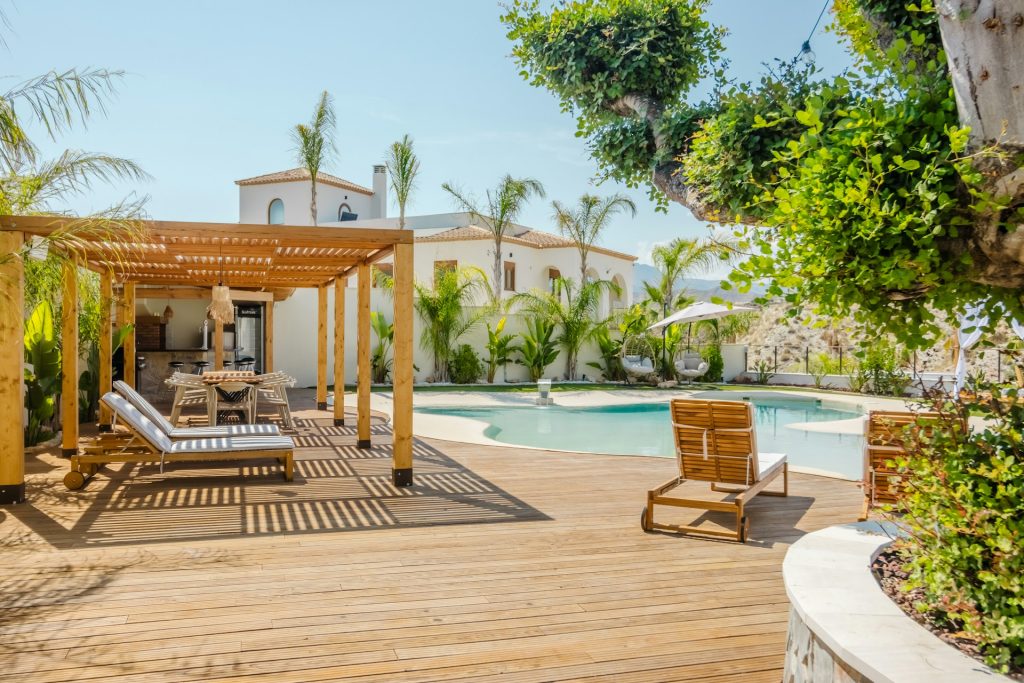
There’s something compelling about a well-designed outdoor space.
It’s where mornings start a little slower, where conversations stretch longer into the evening, and where a home begins to feel larger than its walls. But for many homeowners, that vision doesn’t quite match reality.
A patio that’s too hot by midday.
A porch that becomes unusable at dusk.
Furniture covered in pollen just days after cleaning.
The truth is, most outdoor spaces are built to look good—but not necessarily to be used consistently throughout the year.
Creating a luxury outdoor living space isn’t just about aesthetics. It’s about solving the small, everyday problems that prevent you from actually enjoyingit. With the right approach, your porch or patio can become one of the most functional and inviting areas of your home—no matter the season.
Start with Comfort, Not Just Design
It’s easy to focus on visual elements first—furniture, lighting, finishes—but comfort is what determines whether a space gets used.
Think about how your outdoor area performs throughout the day:
- Is it comfortable in the afternoon heat?
- Can you enjoy it in the evening without interruption?
- Does it feel private and relaxed, or exposed and limiting?
These are the questions that shape a truly livable space.
In warmer regions especially, direct sunlight and heat buildup can quickly make even a beautifully designed patio feel uninviting. That’s why more homeowners are turning to solutions like retractable screens in Georgia to reduce glare, filter sunlight, and create a more controlled environment without sacrificing openness.
Instead of retreating indoors during peak hours, you gain the flexibility to enjoy your space on your terms.
Address the Biggest Frustration: Insects
No matter how well-designed a space is, it only takes a few minutes of swatting at mosquitoes to ruin the experience.
This is one of the most common reasons outdoor spaces go underused—especially in the evening, when conditions are otherwise perfect.
Traditional solutions like sprays or candles offer limited relief, but they don’t address the root of the problem. A more permanent approach involves creating a physical barrier that keeps insects out while maintaining airflow and visibility.
Screen systems—particularly those designed for larger openings—allow you to preserve the open feel of your patio while eliminating the constant distraction of bugs. The result is a space that feels just as comfortable at night as it does during the day.
Control Heat and Glare Without Closing Off the Space
Sunlight is part of what makes an outdoor space enjoyable—but too much of it can have the opposite effect.
Glare makes it difficult to relax.
Heat builds up on surfaces.
Furniture becomes uncomfortable to use.
The goal isn’t to eliminate sunlight, but to manage it.
This is where modern shade and screening solutions come into play. By filtering light rather than blocking it entirely, you can maintain brightness while significantly improving comfort.
For larger patios and covered porches, motorized screen systems offer a seamless way to adjust your environment throughout the day. With the push of a button, you can reduce heat during peak hours and open the space back up when conditions are more favorable.
It’s a level of control that transforms how—and when—you use your outdoor space.
Think Beyond Seasonal Use
One of the defining features of a luxury outdoor space is that it isn’t limited to a single season.
Instead of being something you use occasionally, it becomes part of your daily routine.
To achieve that, the space needs to adapt to changing conditions:
- Spring brings pollen and fluctuating temperatures
- Summer introduces heat, humidity, and insects
- Fall offers ideal weather, but shorter days
- Even mild winters can benefit from wind and shade control
Designing for year-round usability means anticipating these shifts and building flexibility into the space.
Screens, shades, and adjustable systems allow you to respond to conditions in real time—making the space feel just as intentional in July as it does in October.
Create a Sense of Privacy Without Sacrificing Openness
Privacy is often overlooked in outdoor design, but it plays a major role in how comfortable a space feels.
Even a beautifully designed patio can feel limiting if it’s fully exposed to neighboring homes or nearby streets.
At the same time, fully enclosing a space can make it feel closed off and disconnected from the outdoors.
The balance lies somewhere in between.
Modern screen and shade options allow for selective visibility—maintaining your view outward while reducing visibility from the outside. This creates a more relaxed environment without changing the overall structure of the space.
It’s a subtle shift, but one that can dramatically improve how often the space is used.
Finish the Space So It Feels Intentional
Many outdoor areas feel incomplete—not because they lack furniture or design elements, but because they lack definition.
They exist as open extensions of the home, without clear boundaries or functional purpose.
Finishing the space doesn’t necessarily mean enclosing it completely. It means giving it structure and intention.
That might include:
- Defined seating areas
- Integrated lighting
- Shade or screening elements
- Consistent materials and finishes
When these elements come together, the space begins to feel like a true extension of the home rather than an afterthought.
It becomes a place you naturally gravitate toward, rather than one you occasionally step into.
Design for Flexibility, Not Permanence
One of the biggest misconceptions about upgrading an outdoor space is that it requires a major renovation.
In reality, many of the most impactful improvements come from adding adaptable features—not rebuilding the space entirely.
Flexibility is what allows a space to evolve throughout the day and across seasons.
Retractable and motorized systems are a perfect example of this approach. They give you the ability to:
- Open the space when conditions are ideal
- Add protection when needed
- Adjust quickly without disrupting the design
This level of adaptability is what separates a standard outdoor area from one that feels truly refined and usable.
Why Timing Matters More Than You Think
Many homeowners wait until the height of summer to address issues with their outdoor spaces.
By that point, the discomfort is obvious—but so are the limitations:
- Installation schedules are busier
- Lead times may be longer
- You’ve already missed out on weeks of use
Planning ahead—particularly in the spring—allows you to make thoughtful improvements before peak conditions arrive.
It also ensures that your space is ready when you’re most likely to use it.
A Space That Works as Good as It Looks
At its best, an outdoor living space becomes more than just an extension of your home—it becomes part of how you live.
It’s where you start your mornings, host gatherings, or simply unwind at the end of the day.
But that only happens when the space is designed with real-world use in mind.
By addressing the common challenges—heat, insects, glare, privacy—and incorporating flexible solutions, you can transform an underused patio or porch into a space that works beautifully year-round.
And once it does, you may find it becomes your favorite place in the house.