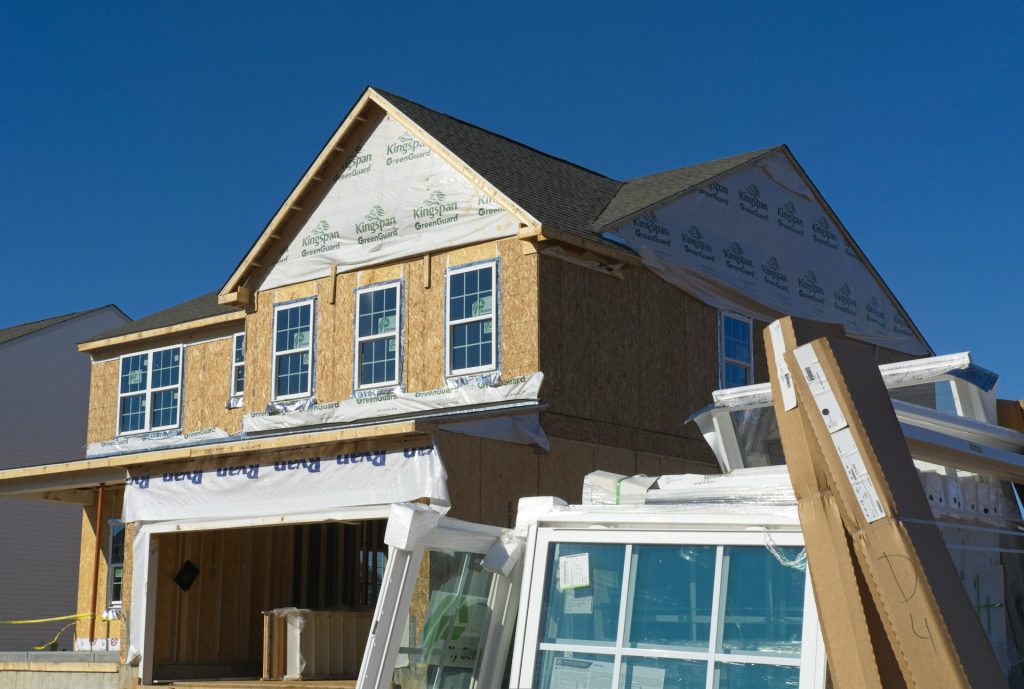
Increasing your home’s footprint can offer more space without going through the moving process. In urban settings where home prices are steadily rising, extending an existing property often makes financial sense. According to UK housing data, well-planned extensions can increase property value by up to 15–20%, depending on design and location. However, achieving that return depends largely on avoiding common and costly mistakes.
Lack of Clear Planning
A successful extension always starts with a detailed plan. Many homeowners rush into construction without fully considering layout, structural requirements, or how the new space will connect with the existing property. Poor planning can lead to awkward room flow or underutilised areas. Taking time to map out both current and future needs helps ensure the space is practical and cohesive.
Underestimating the Budget
Budget overruns are one of the most frequent issues in construction projects. Research from the Royal Institution of Chartered Surveyors (RICS) shows that unexpected costs can increase total project expenses by 10–15%. These often come from overlooked elements such as design changes, material upgrades, or structural adjustments. Setting a realistic budget, along with a contingency fund, is essential for maintaining financial control.
Ignoring Regulations and Permissions
Building regulations and planning permissions play a crucial role in any extension project. Failing to comply with local requirements can result in delays, penalties, or even forced alterations after completion. Homeowners planning Home Extensions Liverpool projects, for example, must ensure they meet UK building standards and local council guidelines before work begins.
Choosing the Wrong Builder
Selecting a contractor based solely on cost can lead to long-term issues. While a lower quote may seem appealing, it often comes at the expense of quality or reliability. Industry data suggests that projects handled by experienced builders are significantly less likely to face delays or structural issues. Reviewing past work, checking credentials, and maintaining clear communication are key steps in making the right choice.
Poor Design Decisions
An extension should enhance both the appearance and functionality of your home. Poor design choices—such as mismatched materials or inefficient layouts—can reduce the overall impact of the project. A well-designed extension should blend seamlessly with the original structure while improving how the space is used on a daily basis.
Overlooking Natural Light and Ventilation
Natural light is a major factor in how a space feels. Studies have shown that well-lit interiors can improve comfort and even increase perceived property value. Extensions that lack adequate windows or ventilation can feel enclosed and uninviting. Incorporating features like large windows, skylights, or open-plan layouts can make a noticeable difference.
Not Planning for the Future
Designing only for immediate needs can limit the long-term value of your extension. A flexible layout that can adapt over time—whether for a growing family or changing lifestyle—adds lasting practicality. Future-proofing your space ensures it remains useful and relevant for years to come.
Conclusion
A home extension can be a worthwhile investment when approached with careful planning and informed decisions. By avoiding common mistakes such as poor budgeting, inadequate design, and lack of compliance, homeowners can achieve a result that enhances both comfort and property value. Get in touch today to discuss your ideas and take the first step toward creating a well-planned and functional living space.