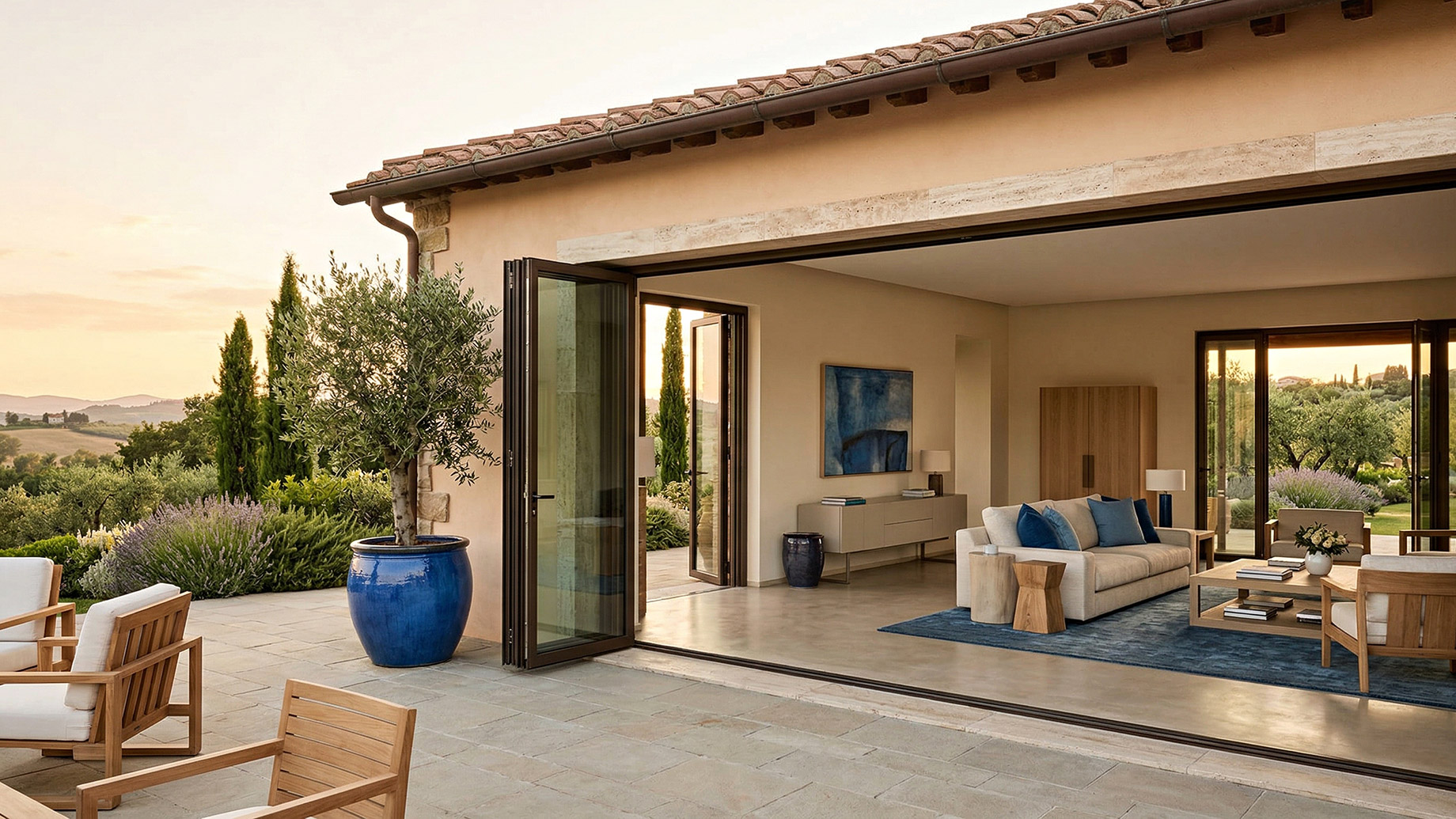
When it comes to creating a beautiful and inviting home, color plays a vital role. The challenge often lies in merging the interior and exterior color schemes in a way that feels cohesive and harmonious.
Many homeowners grapple with questions like: How do I ensure that the colors inside my home complement those outside? What colors work best together?
Let’s explore some tips to achieve a seamless blend of interior and exterior colors that will elevate the aesthetic of your home.
Understanding Color Basics
Before choosing colors, it helps to understand some basic color principles. Colors are divided into three main categories: primary, secondary, and tertiary. Primary colors, red, blue, and yellow, combine to form secondary colors such as green, orange, and purple, while tertiary colors are created by blending primary and secondary hues.
Colors also influence emotions in different ways. Warm tones such as red and yellow can create a sense of energy and warmth, while cooler shades like blue and green often promote a calm and relaxing atmosphere. Recognizing these effects can help you choose a color scheme that suits your home.
Creating a Cohesive Color Palette
One of the key elements in achieving a seamless connection between your interior and exterior is to create a cohesive color palette. This doesn’t mean that the colors have to be identical in every area. Instead, they should complement each other and make the space feel unified.
Start by selecting a few core colors that you love. This might include a main color for your exterior walls, a trim color, and an accent color.
For your interiors, consider how these colors can translate. Maybe you use the main color in a lighter shade inside, pairing it with the accent color for pops of vibrancy. This approach allows for a flow without demanding uniformity.
Consider the Architectural Style
The architectural style of your home plays a critical role in color selection. Traditional homes often lend themselves well to classic, rich color palettes, while modern homes might benefit from bolder, more vibrant colors.
Take a moment to assess your home’s architecture. Is it a cozy cottage, a sleek contemporary space, or a classic colonial? Your choice of colors should reflect and enhance this style.
For example, a farmhouse style might look stunning with soft whites, muted greens, and natural wood tones. On the other hand, a modern design could shine with stark whites contrasted with deep navy or charcoal, allowing for a striking visual impact.
Playing with Color Temperature
Utilizing color temperature effectively can create a balanced and appealing aesthetic. Color temperature primarily refers to whether a color feels warm or cool. A cohesive look often involves a mix of both, but with careful attention to the direction of flow.
The exterior of your home may feature warmer colors to enhance the welcoming feeling from the street, while cooler shades may dominate your interior spaces, providing calmness and relaxation. For example, a warm beige exterior paired with cool blue-gray walls inside can create a beautiful and relaxing transition from the outdoor environment to the indoor sanctuary.
Testing Your Color Choices
Once you have narrowed down your color selection, it’s crucial to test them. Seeing colors in different lighting conditions is vital, as they can appear different throughout the day and under varying light sources. Take samples of your chosen colors and paint patches on both interior walls and a piece of the exterior for side-by-side comparison.
Observe how the colors interact during various times of the day. The more time you spend getting to know how your chosen colors look in different lights, the more confident you’ll feel in your final decisions.
Incorporating Natural Elements
Your home’s surroundings can significantly influence your color choices. Consider the colors present in your landscaping, neighboring structures, or even natural landscapes if you live in a rural area. Incorporating these elements can create a sense of harmony between your home and its environment.
For instance, if you live near lush, green trees, complementing your home’s exterior with earthy tones like browns and greens can blend beautifully with nature. Also, consider any stonework or brick elements in your exterior; let them inspire your choices for both interior and exterior colors to maintain unity.
Choosing the Right Finishes
The finish of a paint can make a significant difference in the overall aesthetic. Flat finishes can create a warmer and more relaxed vibe, while glossy finishes tend to be more modern and bold. Consider how the finishes you choose can further enhance the intended look of your home.
For example, a matte finish on interior walls can create a soft, inviting feel, whereas high-gloss exterior paint can offer a sleek and clean appearance, capturing light beautifully. Always check how the finishes work together in both indoor and outdoor spaces.
External Features and Landscaping
External features, such as decks, fences, or sidewalks, also play a crucial role in the overall appearance of your home. The colors of these features should complement both your home’s interior and exterior palettes. For example, a wooden deck in natural tones can beautifully accentuate an earthy exterior, while white railings can lend a touch of classic elegance.
Landscaping choices, from plants to garden elements, can enhance the color scheme further. Choose flowers or greenery that help your color combinations resonate well together. For example, if you have warm-toned exterior colors, opt for plants with similar warmer hues to create a pleasant blend.
Seek Professional Guidance
While planning and executing your color scheme can be an exciting project, it can also be overwhelming. If you feel uncertain about your choices, don’t hesitate to find professional painters who can offer expertise and advice tailored to your vision. Their experience in color theory and understanding of space can make your design process smoother and help you achieve your desired aesthetic.
Learning the Color Palette
Creating a cohesive color scheme between your interior and exterior can drastically enhance your home’s aesthetic. By understanding the basics of color and considering your home’s architectural style, natural surroundings, and finishes, you can create a stunning flow from inside to outside.
Testing your color choices and seeking guidance when needed will ensure you create a beautiful atmosphere that feels perfectly aligned. Take your time in the planning stages, and remember that a well-thought-out color palette can lead to a fulfilling and visually pleasing experience in your home.
Feel free to visit our website and read more.
