You notice curb appeal in the small moments, like pulling into the drive at dusk. A clean facade, tidy edges, and steady lighting signal care before anyone steps inside. Even on a quiet street, those cues stand out fast.
On the Gold Coast, the outside of a home also takes real wear from sun, salt, and storms. That is why working with skilled painters Gold Coast locals trust often starts with durability, not just color. The best results usually look calm, and they last through sticky summers.
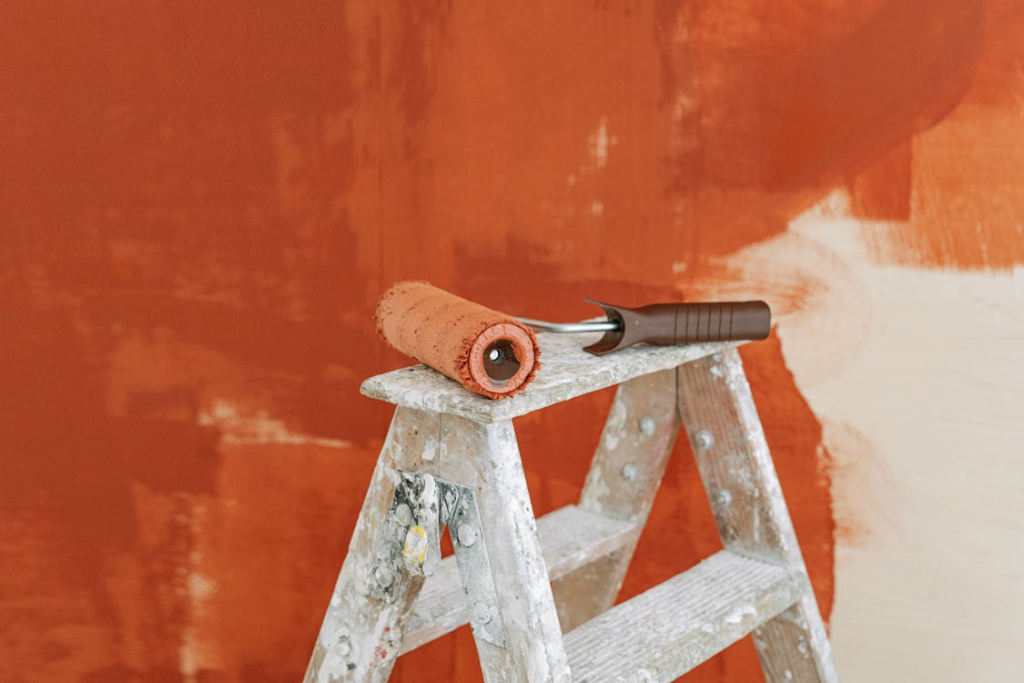
Photo by Ivan S
Focus On The Entry First
Most people judge the “feel” of a property from the path to the door. If the approach looks neat, the home feels cared for. If it looks messy, even great interiors get less credit.
A simple reset often begins with trim, door, and visible frames. These zones catch glare and show marks first. They also hold color contrast, which makes a home look crisp.
It helps to do a quick walk up from the street, at normal pace. Notice what pulls your eye, then fix only that. A few clean edits read better than a long list.
Here are three checks that usually pay off without big disruption.
- Front door and frame, for scuffs, faded paint, and sticky hardware.
- Trim lines, for peeling edges and uneven sheen near corners.
- Porch ceiling and posts, for stains that catch light at angles.
Once those parts are reset, the rest feels quieter and more balanced. That is the point of curb appeal that feels “effortless.” People see intention, not work.
Pick Colors That Suit Coastal Light
Coastal light can be harsh, especially on wide walls facing afternoon sun. Dark tones can show chalking faster, and bright whites can glare. Mid range neutrals often look steadier across seasons.
Undertones matter more outside than indoors, because plants and paving throw color back. A warm grey can turn beige near sandstone, while a cool beige can look flat beside blue pool tiles.
If you are stuck, it helps to focus on trim and door contrast first. Then pick the body color to support those choices. This approach reduces regret when the paint dries.
A useful guide is to think in three layers, body, trim, and accents. Each layer should look good in shade and sun. For a deeper read on selection basics, this piece on exterior home color lays out practical factors.
Sheen also changes how “clean” a surface looks day to day. Higher sheen shows bumps, yet it wipes easier. Lower sheen hides flaws, yet it can mark under frequent touching.
Prep Well So Paint Lasts Longer
Paint can only look as good as the surface beneath it. Flaking edges and dusty walls cause early failure. Good prep is often the reason one home looks fresh years later.
Start by checking where water lands and lingers after rain. Downpipes, sills, and lower walls usually show the first clues, and green staining, the surface is holding moisture.
For older homes, safety matters during scraping and sanding. Lead dust is a real risk when old coatings are disturbed. The EPA has clear guidance for homeowners on lead safe renovations that is worth reading before any prep.
Coastal homes also benefit from thorough washing before painting. Salt residue can block adhesion, even when the wall looks clean. A proper rinse and dry window helps coatings bond.
Finally, seal gaps and repair small timber issues before topcoats go on. Tiny cracks pull in water and grow fast. Fixing them early keeps the new finish looking even.
Fix The Small Repairs That Make Paint Look Better
Tiny flaws show up most around corners, edges, and joins. A hairline crack along trim, a soft timber patch, or a loose bead of old sealant can make a fresh paint job look uneven. On coastal homes, these weak spots also let moisture in, which speeds up peeling.
Before any topcoat, check the details that get touched and bumped the most. Window sills, fascia edges, and door frames are common problem areas. Re caulk gaps, patch dents, and sand rough transitions so the finish reads smooth from the street.
A quick checklist helps keep this part simple.
- Re seal joints where trim meets walls or posts
- Replace or repair any rotten timber sections
- Sand patched areas so edges disappear after painting
Add Finishing Touches That Look Polished
Once paint and prep are right, the finishing details do the heavy lifting. Lighting, numbers, and hardware are the “jewelry” of the exterior. They make the whole entry read more finished.
Outdoor lighting works best when it is layered, not bright. Think path lights for footing, wall lights for faces, and a soft feature light. If you want a clear breakdown of types, this guide to outdoor lighting is a helpful refresher.
LED fixtures also reduce ongoing running costs, which matters with dusk to dawn settings. The U.S. Department of Energy explains how LED lighting uses less energy and lasts longer than older bulbs. That makes timers and sensors easier to live with.
Hardware should match the home’s style and climate, so it ages well. In salty air, some finishes pit and stain faster. Look for exterior rated pieces, and clean them often.
House numbers are another small win that adds polish. Choose a size that reads from the street, and place them with good contrast. It is a quick detail that makes the home feel cared for.
A Clean Finish That Lasts
Curb appeal feels easiest when you treat it like a short, sensible list. Start with the approach to the front door, then lock in colors and sheens that behave well in strong light. After that, give prep the time it deserves, because it is what keeps the finish looking even through wet weather and salty air. Once those pieces are solid, small details like lighting and hardware look intentional instead of fussy.
A simple takeaway is to aim for clean lines, calm contrast, and fewer weak spots. That usually means tidy trim edges, a refreshed entry, and surfaces that stay easier to wash. When the exterior reads well from the street, the whole property feels more valuable before anyone even steps inside. And that is the kind of first impression that keeps paying you back.