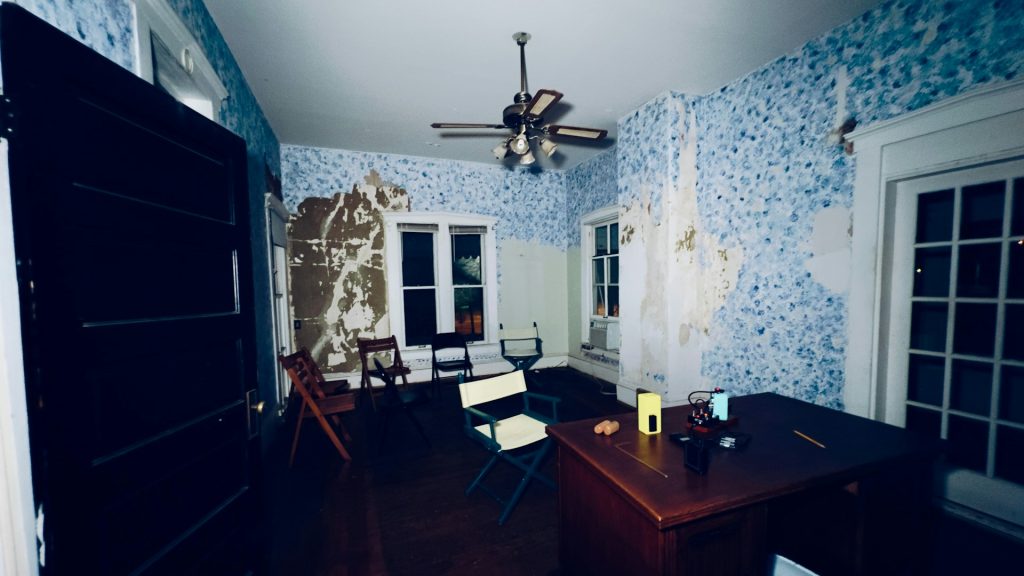
Refreshing the appearance of a room through painting can dramatically alter the atmosphere, making it feel more inviting and visually appealing. Achieving a professional-looking finish depends on careful planning and attention to the sequence in which surfaces are painted (correct order to paint a room). Following a thoughtful order can prevent mistakes, save time, and produce a smooth, uniform finish across every surface.

Laying the Groundwork
Preparation forms the backbone of any painting project. Before any paint touches the walls or ceiling, all furniture should either be removed or gathered in the centre of the room and covered with protective cloths. This safeguards belongings from spills and splatters. Once the room is protected, walls and ceilings need inspection for cracks, holes, or areas where paint has started to peel. These imperfections should be filled with a suitable filler and sanded until the surface feels even.
Cleaning the walls is the next critical step. A mild detergent solution removes accumulated dust, oils, and grime that could hinder the paint from adhering properly. After cleaning, painter’s tape should be applied along trims, window frames, and any areas not intended for paint. Floors benefit from drop cloths or plastic sheeting, creating an additional layer of protection against accidental drips. Ventilation is equally important, as fresh air supports drying and reduces exposure to fumes, making the workspace safer.
Starting With the Ceiling
Attention turns to the ceiling at the beginning of the painting process. Working on this surface first prevents accidental splatters from spoiling walls that have already received a coat of paint. Rollers with extension poles allow the painter to reach the ceiling without climbing, which helps maintain an even layer. Working in small sections and keeping a wet edge reduces the appearance of streaks or overlaps. For ceilings with texture, a thicker roller nap is recommended to cover all recesses effectively.
Painting the Walls
Once the ceiling has fully dried, painting moves to the walls. Tackling walls from top to bottom controls drips and simplifies the application process. The edges, corners, and mouldings are addressed first using a brush, a step often referred to as “cutting in”. This technique defines borders and makes rolling the main wall sections easier.
After cutting in, a roller is used to cover the remaining surface. Applying paint in a pattern resembling the letter ‘W’ ensures an even distribution and prevents streaks. Each section is slightly overlapped to maintain a continuous finish, reducing visible lines or uneven patches. Allowing sufficient drying time between layers prevents peeling and maintains a smooth texture. Multiple thin coats often produce a better result than a single thick layer, resulting in a more uniform colour.
Focusing on Skirting Boards and Trim
Trims and skirting boards demand precision. Their finish contributes to the overall polish of the room. Cleaning these surfaces before painting removes dust and dirt that could interfere with adhesion. If the trim colour differs from the wall, painter’s tape can create sharp, well-defined edges. Applying paint with long, steady strokes helps prevent drips and achieves a consistent appearance. Small, angled brushes are particularly effective for these confined spaces.
Doors and Window Frames
Attention shifts to doors and windows once the skirting boards are complete. The approach depends on the material. Wooden surfaces may require light sanding and a primer to achieve a smooth finish, while metal surfaces benefit from a rust-resistant base layer. Removing handles and other hardware from doors makes the process more manageable. Painting begins with edges and panels, finishing with broader flat areas to maintain consistency.
Window frames require careful handling to avoid paint on the glass. Applying tape along the glass edges and brushing in measured, even strokes helps create clean lines. Patience and methodical work in these areas prevent smudging and contribute to a refined overall look.
Finishing Steps
After every surface has been painted and allowed to dry, painter’s tape should be removed carefully. This reveals crisp lines and distinguishes surfaces with different colours or finishes. Any minor imperfections, missed spots, or small drips can be corrected with a fine brush for a flawless finish.
The final stage involves returning furniture and décor to their original positions. Waiting until the paint is completely dry prevents damage to the fresh surface and maintains the integrity of the new finish. This step completes the transformation and allows occupants to appreciate the refreshed room.
Benefits of Following a Structured Approach
Adhering to a consistent sequence of preparation, ceiling painting, wall application, and trim finishing streamlines the entire project. A methodical approach reduces errors and makes the painting process more manageable, even for those with limited experience. Taking the time to prepare, assess surfaces, and work systematically contributes to the longevity of the paint and ensures an even, professional result.
Thoughtful planning also reduces the need for frequent retouching and increases satisfaction with the outcome. Each step builds upon the previous one, from protecting furniture to achieving precise edges, resulting in a room that feels complete and visually coherent.
Final Reflections
Painting a room is more than applying colour to walls. It requires a balance of preparation, careful execution, and attention to detail. Each surface presents its own challenges, and working in the right order prevents common mistakes and delivers a refined result. A well-painted room can uplift the environment, refresh the look of a space, and provide a sense of accomplishment. By approaching the project methodically and treating each stage with care, a dull or outdated room is transformed into one that welcomes and inspires.

The outcome is a polished, refreshed interior that reflects effort, patience, and an eye for detail. Following these steps allows anyone to complete a painting project with confidence, knowing that every surface, from ceiling to trim, has been addressed thoughtfully. The satisfaction lies not only in the final colour but also in the seamless execution that gives the room a renewed presence and a polished, professional finish.