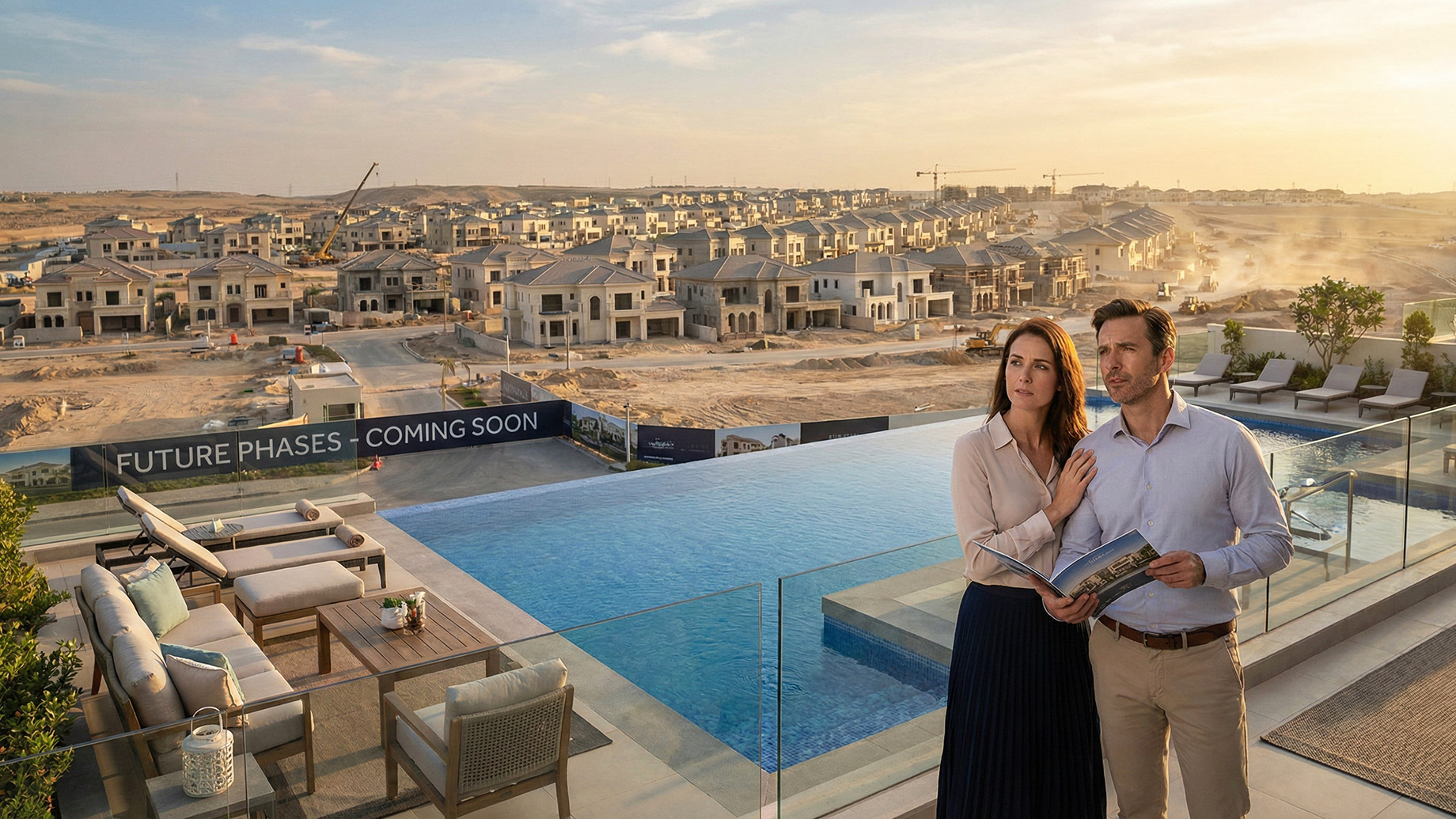
If you have been looking at housing development plans, the appeal is obvious. Everything is new, clean, and neatly packaged. You are shown model homes with perfect lighting and promised a neighborhood that will “grow into itself.” To a lot of buyers, housing developments seem to make sense, especially considering how much a normal home costs.
According to data from the Department of Housing and Urban Development, housing prices have seen a significant increase over the last five years. In Q2 of 2020, average sale prices sat at around $371,100. However, as of Q2, 2025, that figure sat at $512,800.
Large-scale developments are designed to move units efficiently. However, that goal does not always line up with long-term livability, resale value, or even basic comfort. In reality, timing, margins, and financing pressures often shape these communities far more than lifestyle considerations.
Today, let’s take a closer look at housing development projects and find out whether they’re worth buying into.
What Builders Are Choosing To Build and What That Signals
One of the easiest mistakes buyers make is assuming developers are building what families want most. In practice, builders are reacting to cost pressure first. When materials rise in price, designs shift quickly, even if the marketing language stays the same.
According to one Reuters report, American single-family housing, which is the bulk of typical homebuilding, dropped by 14.2%. This comes in the context of suppliers raising prices by 6.3%. On the flip side, multi-family building permits went up by 10.1%.
That tells you a lot. When single-family construction slows while multi-family permits rise, it often means tighter lots, shared walls, and less space overall. These changes are subtle on paper but very noticeable once you live there.
Developers rarely frame this as a compromise. Instead, it gets described as efficient land use or modern planning. For buyers expecting a traditional suburban feel, that difference can be particularly jarring.
Essentially, what is being built today reflects cost containment more than comfort. Remember, if the layout already feels dense during the planning phase, it will feel even tighter once the neighborhood fills in.
When Development Clashes With the Community
Problems with housing developments also multiply when large projects ignore the character of the area in which they are built. That disconnect often creates tension that spills over onto homeowners.
For example, take a look at the local news in Asheboro, North Carolina. Residents of one neighborhood are worried about the possibility of a housing development that would create 300 apartments and 60 homes in a small plot. They note that new home construction in Asheboro is fine if it keeps the community consistent.
Carolyn Chavez, a local resident, noted that it would be good to have bigger plots with bigger homes to sell. Not just a bunch of three-story apartment buildings.
Too often, developers come in from outside a city or state with a vision that goes against what the locals want. As Deaton Builders notes, the best way to strengthen community partnerships is by actually paying attention to the local community and prioritizing local sourcing. Sadly, too many builders never listen to or consider the sentiments of local residents in their development plans.
This eventually blows up in the form of pushback from neighbors, which snowballs into delays, legal disputes, and zoning changes. These outcomes then affect property values and the overall feel of the neighborhood. As a buyer, you may find yourself caught between developer plans and community resistance, even though you had no role in creating the conflict.
The Monthly Costs That Rarely Get Enough Attention
Something else to consider is that the purchase price usually gets all the attention. However, the ongoing costs shape your experience far more. Development communities almost always come with associations, fees, and shared expenses that grow over time.
The highest cost (both financially and mentally) will be homeowner associations. As Yahoo Finance notes, membership comes with an average cost of $300 per month. However, in big cities like New York, Chicago, or Los Angeles, you’re probably looking at $700 per month. They also note that the cost of such fees could rise. For some, this can feel like you’re effectively paying an indefinite mortgage despite owning your own home.
These fees might start small and feel manageable. However, over time, maintenance, amenities, and administrative costs increase. You will have to absorb those increases whether or not you use the services. Suddenly, what felt like convenience can turn into a fixed expense that you can’t escape from.
There is also the issue of control. HOAs can dictate everything from exterior changes to other rules. That matters if you plan to sell, rent, or modify your home later. Unfortunately, many buyers rarely think about how these rules might affect future options.
Frequently Asked Questions
1. What is the most important thing to consider when buying a house?
The most important thing is whether the home still makes sense five or ten years from now. That means looking beyond the price and finishes and thinking about layout, location, long-term costs, and how easy it will be to sell if your life changes.
2. How often do development plans change after buyers move in?
More often than most buyers expect. Developers can adjust density, add new buildings, or scale back amenities as phases progress. These changes usually stay within zoning rules, but they can still affect privacy, traffic, and the overall feel of the neighborhood.
3. Is buying early in a development usually a good idea?
Buying early can offer better lot choices, but it also carries risk. You may deal with years of construction, shifting plans, and later phases priced lower. It only works well if the developer has a strong track record and clear, binding plans.
All things considered, buying into a housing development plan is not always a mistake, but rushing into one often is. If you take the time to question what is being built, why it is being built that way, and who truly benefits from the structure of the deal, you put yourself in a stronger position.
Remember that it’s worth asking uncomfortable questions early, reviewing fee structures carefully, and paying attention to how the project fits into the surrounding area. If something feels overly packaged or too tightly optimized, that is usually a sign to pause.
