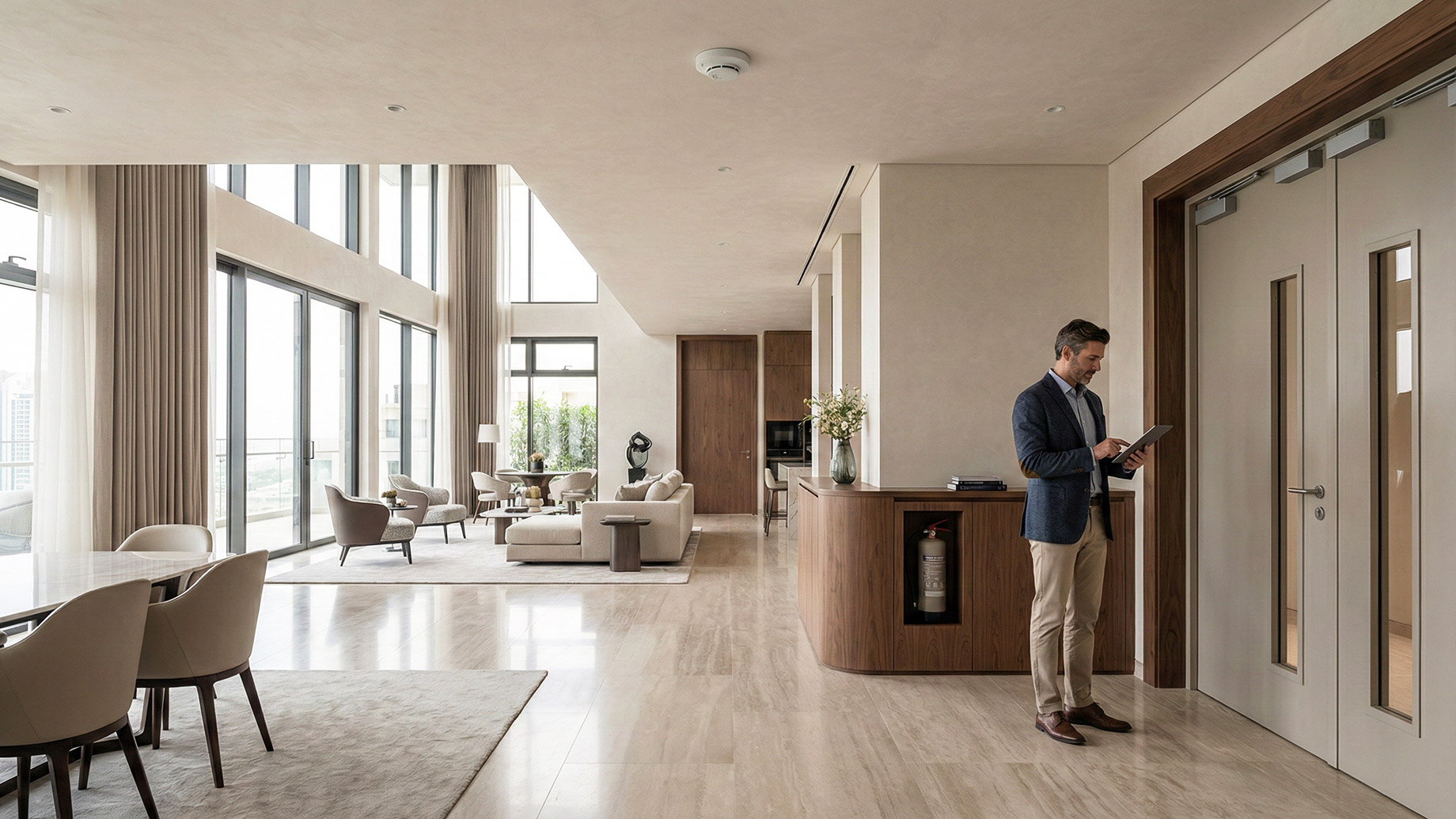
A luxury home can feel calm and controlled, yet fire risk often hides behind finishes and furnishings. Open plan living, feature lighting, and concealed wiring can raise the stakes quickly. Add guests, staff, or short term lets, and the duty of care becomes more complex. The goal is a clear routine that keeps safety quiet, steady, and verifiable.
Owners often assume fire safety is only about alarms, but compliance is wider than equipment alone. It includes checks, records, training, and sensible upgrades that respect the design intent. A commercial specialist like Barbon Fire Protection sits in that compliance space, where systems, paperwork, and maintenance have to match legal duties. When you treat fire safety as part of property management, it becomes easier to control.
Start With The Legal Duties And Clear Accountability
Fire safety compliance starts with knowing who is responsible on paper and in practice. In luxury homes used for events, staff housing, or short term stays, that role can shift. If you use agents, concierge teams, or facilities support, assign duties in writing. Make sure every task has an owner, a cadence, and a log.
In the UK, many obligations hinge on the Regulatory Reform (Fire Safety) Order and related guidance. Even when the setting feels “residential,” use patterns from workplace compliance if staff or paying guests are involved. A good reference point is the government’s workplace fire safety guidance, which outlines core expectations for risk control and upkeep.
Set a simple compliance file that can be shown without delay. Keep it digital and printable, with dates that match reality. Include your risk assessment, maintenance certificates, alarm test logs, and emergency lighting test results. If a contractor attends, record what they did and what they advised.
Build A Fire Risk Assessment That Fits High End Design
A fire risk assessment should reflect how the property is used, not just how it looks. Start with ignition sources, fuel sources, and people at risk. Kitchens, plant rooms, and laundry areas deserve more attention than a formal sitting room. Garages with chargers, batteries, or solvents also change the profile fast.
Luxury interiors often add “hidden” fuel loads through textiles, acoustic panels, and bespoke joinery. Large curtains, deep rugs, and layered upholstery can support quicker fire growth than expected. Treat storage as part of the assessment, since packaging and linen stock can stack risk quickly. If you host events, note candles, catering kit, and temporary power runs.
Also map the human side, since compliance is not only hardware. Who sleeps on site, who may be unfamiliar with exits, and who needs assistance. If the property hosts older guests or families with children, plan for slower evacuation. If staff work late, plan for low occupancy hours where someone could be alone.
Make Detection, Lighting, And Alarms Quietly Reliable
In luxury properties, safety systems should work without drawing attention. That means correct design, correct placement, and correct maintenance. A stylish ceiling and fine plasterwork do not reduce the need for suitable detectors. Where aesthetics matter, use appropriate devices and finishes, but never compromise coverage.
Emergency lighting is also part of real safety performance, especially in large homes with long corridors. Test it, log it, and keep spares for common fittings. When you renovate, confirm that lighting changes did not remove essential coverage. A quick walk through at night can reveal dark turns that feel safe in daylight.
Keep alarm and detection checks simple, regular, and recorded. A practical routine often includes:
- Weekly alarm tests with a rotating call point schedule and recorded outcomes.
- Monthly visual checks of detectors, sounders, and any panel fault indicators.
- Regular emergency lighting function checks, plus scheduled full duration tests.
- Planned servicing by a competent provider, with certificates filed immediately.
If you have a monitored system, confirm who receives alerts and who has keys. If the system faults, define what “safe until repaired” looks like and document it. A silent failure is far more dangerous than a loud one, because it creates false confidence.
Control Escape Routes, Compartmentation, And Fire Doors
High value properties often have complex layouts, with wings, basements, and staff routes. That makes escape planning more than a single front door assumption. Walk every escape route as if you were a first time guest. Check for tight turns, locked gates, and heavy doors that could slow people down.
Fire doors are a common weak point in luxury homes, especially after renovations. A beautiful door that does not close properly is a compliance risk. Check that closers work, gaps are within tolerance, and seals are intact. Confirm that door furniture has not been changed in ways that reduce performance.
Compartmentation is another quiet control that protects life and property. Service penetrations, recessed lighting, and hidden ducting can break fire resisting barriers. If you have upgraded AV systems or smart home cabling, verify that installers did not leave unsealed holes. Where work has been done, ask for evidence of fire stopping, not just a verbal assurance.
For larger properties, place clear, discreet signage where it helps, especially in staff areas. Keep exits free from décor, storage, or seasonal displays. A single console table in the wrong place can turn an escape route into a pinch point. The best standard is simple: if someone can carry a suitcase through easily, the route is probably workable.
Create A Maintenance And Training Routine That Stands Up To Scrutiny
Compliance tends to fail when routines rely on memory or a single person’s habits. Build a calendar that repeats and assign cover for holidays. Use checklists, but keep them short enough that people will complete them. If you use a facilities team, make logs part of handover, not an extra task.
Training should match the reality of the property. Staff need to know what the alarm sounds like, where call points are, and how to guide guests. They also need a clear rule on lifts, doors, and assembly points. Keep training practical, with walk through drills that fit the daily operation.
If you provide firefighting equipment, confirm that people know when to use it and when to leave. Extinguishers are only helpful when the fire is small and escape is clear. For maintenance standards, the HSE provides guidance on fire safety responsibilities and control measures that support safe work settings.
Finally, treat every change as a trigger for review. New furniture, a kitchen refit, a home cinema build, or staff accommodation changes can all shift risk. Update the assessment, update the logs, and keep the file current. When documentation matches the living property, compliance stops feeling like paperwork and starts feeling like control.
A Practical Routine That Protects People And Property
Luxury property fire safety compliance works best as a repeatable system: clear duties, accurate records, and maintained equipment that does not interrupt design. Focus on risk assessment, reliable detection, workable escape routes, and disciplined upkeep. Keep evidence tidy, dates current, and responsibilities clear. When those basics are in place, the property stays welcoming while remaining defensible under scrutiny.
