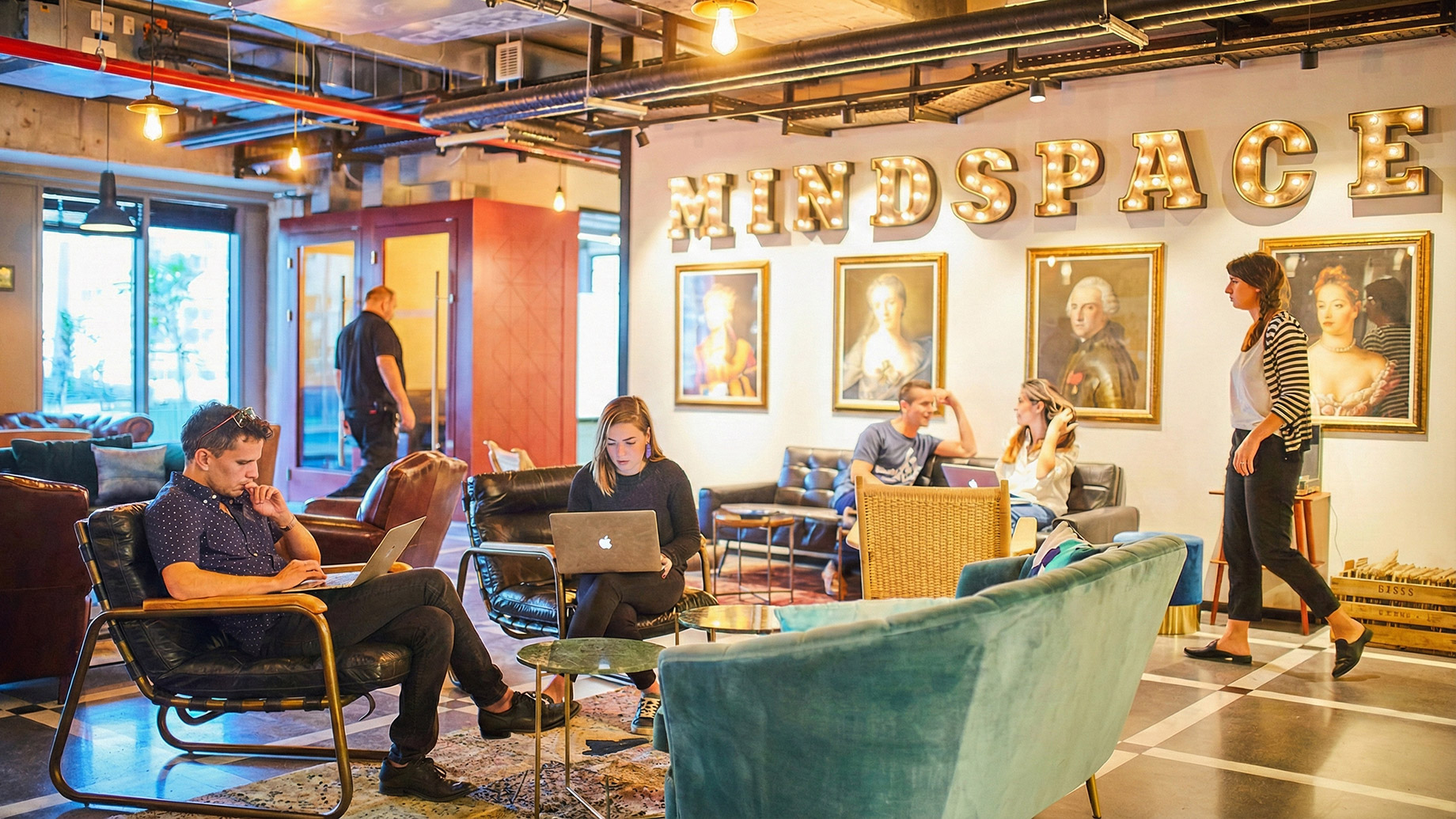
Something interesting is happening at the intersection of workplace design and broader interior trends. The design principles showing up in modern offices, particularly in flexible workspaces, are increasingly influencing how we think about all interior spaces. And the driving force behind this shift isn’t just aesthetics. It’s the growing body of evidence linking thoughtful design to actual productivity.
When Work Spaces Started Leading Design Trends
Historically, residential and hospitality design led the way, with office spaces following years behind. Corporate offices were functional but uninspiring: fluorescent lighting, gray cubicles, that industrial carpet that somehow existed in every building from 1985 to 2005.
That dynamic has flipped. Today’s most innovative interior design is often happening in workspaces first, then migrating to homes, hotels, and retail environments. The reason? Companies realized that design directly impacts how people work, and in competitive markets for talent, the quality of the workspace matters.
This is particularly visible in flexible workspace environments, where design isn’t just about looking good. It’s a core part of the business model. These spaces need to attract members, support diverse working styles, and create environments where people genuinely want to spend time. The result has been a wave of design innovation that’s now influencing interior trends more broadly.
The 2026 Design Trends That Started in Offices
Several design movements dominating 2026 interiors can be traced directly to workplace innovations:
- Biophilic design going mainstream: The incorporation of natural elements (living walls, natural materials, abundant plants, natural light optimization) started gaining serious traction in workspaces after research showed measurable impacts on productivity and wellbeing. Now it’s everywhere, from restaurants to residential spaces, but the workplace is where it was proven at scale.
- Zoning for different modes: Modern offices distinguish between collaboration zones, focus areas, social spaces, and phone rooms. This concept of intentional zoning for different activities is now showing up in home design: dedicated spaces for focused work, social gathering, and quiet retreat rather than generic “living areas.”
- Acoustic design as priority: Open office plans taught designers hard lessons about noise management. Solutions like acoustic panels as design elements, sound-absorbing materials integrated aesthetically, and strategic use of soft furnishings to manage sound are now standard in hospitality and residential design.
- Flexible furniture systems: Modular furniture that can be reconfigured for different uses emerged as a workplace necessity. Now it’s driving trends in residential and commercial design where flexibility and adaptability are valued over permanent, single-purpose arrangements.
- Warm minimalism: The cold minimalism of early 2000s design gave way to warmer, more human-centered approaches in workspaces first. Clean lines and uncluttered spaces remain, but now they’re balanced with natural materials, warm color palettes, and textural variety that make spaces feel inviting rather than sterile.
- Technology integration that disappears: Workspaces pioneered the art of integrating technology seamlessly. Power and connectivity that’s accessible but not visually dominant. This approach is now standard in high-end residential and hospitality design.
The Productivity Connection
Why did workspaces become the testing ground for these design innovations? Because the stakes are measurable. When design choices impact productivity, companies pay attention.
Research has consistently shown the links between environment and performance. Natural light improves alertness and reduces eye strain. Plants reduce stress and improve air quality. Acoustic management reduces distractions and cognitive load. Color choices affect mood and energy. Ergonomic furniture reduces physical discomfort that interferes with focus.
For businesses operating in expensive cities where real estate costs are high and talent is competitive, getting the most value from every square foot matters. This created incentive to invest in design that genuinely works rather than just looks good in photos.
The result has been evidence-based design practices that are now influencing how we think about all interior spaces. The question is shifting from “does this look good?” to “does this work well for how people actually use the space?”
Color Psychology Gets Practical
Color theory has always existed in interior design, but workspaces have pushed it toward practical application backed by psychology research.
Blue tones promote calm and focus, ideal for spaces where deep concentration matters. Warmer tones like terracotta and ochre create energy and encourage social interaction, working well for collaboration areas. Greens connect to nature and reduce stress, functioning well in spaces meant for both productivity and wellbeing. Neutral bases with strategic color accents allow for different moods in different zones within the same space.
This functional approach to color is now visible across interior design applications. Hotels zone public spaces with color psychology in mind. Restaurants use color strategically to influence dining pace and atmosphere. Residential design increasingly considers what activities happen in each space when making color choices.
Material Choices That Perform
Workplace design has also driven innovation in materials selection, prioritizing durability, sustainability, and functionality alongside aesthetics.
- Sustainable materials as standard: Offices pioneered the use of reclaimed wood, recycled textiles, and low-VOC finishes at scale. What started as environmental responsibility in commercial spaces is now expected in residential and hospitality design.
- Performance textiles: Fabrics that resist staining, wear well under heavy use, and clean easily were developed for commercial applications. Now they’re showing up in homes, particularly as people blur the lines between residential and work spaces.
- Tactile variety: Office designers learned that varied textures (smooth metal, rough concrete, soft fabrics, natural wood) create visual interest and sensory richness that makes spaces feel more engaging. This layering approach is now fundamental to contemporary interior design.
- Maintenance-friendly choices: Workspaces need materials that look good with minimal upkeep. This practical consideration is increasingly valued in residential design as people prioritize time and ease of maintenance.
Lighting Design Evolution
Perhaps no single element has evolved more dramatically than lighting, driven largely by workplace needs.
- Layered lighting strategies: Modern offices use multiple light sources at different levels (ambient, task, and accent lighting) rather than uniform overhead illumination. This creates visual interest and supports different activities. The approach is now standard in quality interior design across applications.
- Circadian lighting systems: Workspaces have pioneered lighting that adjusts color temperature throughout the day to support natural circadian rhythms. This technology is beginning to appear in residential applications, promising better sleep and energy patterns.
- Emphasis on natural light: Maximizing natural light became a priority in office design after overwhelming evidence of its benefits. Now it’s a top consideration in residential design, with homes prioritizing windows, skylights, and light wells.
- Lighting as design element: Rather than treating fixtures as purely functional, contemporary design treats lighting as sculptural elements that define space and create atmosphere. An approach that developed in hospitality and workplace design before going mainstream.
Real-World Examples: Mindspace
To see these principles in action, look at how companies like Mindspace approach workspace design. Their locations embody many of the trends now influencing broader interior design.
Mindspace’s Miami location demonstrates warm minimalism and biophilic design in a climate where connecting to the outdoors matters. The space uses natural materials, abundant plants, and design that acknowledges Miami’s indoor-outdoor culture. Color palettes reference the ocean and tropical environment without being literal. Zoning is clear but not rigid. You can tell what different areas are for without heavy-handed signage or barriers.
The lighting design layers natural light with carefully chosen fixtures that provide adequate illumination for work while creating atmosphere. Acoustic management is subtle but effective. Sound-absorbing materials are integrated into design elements rather than being obvious afterthoughts. Furniture is flexible and comfortable, supporting different working styles without looking temporary or cheap.
Mindspace’s Williamsburg location takes similar principles and adapts them to New York’s different context. The design acknowledges Brooklyn’s creative energy and industrial heritage while feeling contemporary and refined. Exposed brick and concrete provide texture and authenticity. Wood tones warm the space. Strategic use of color (deeper, moodier tones than Miami) creates energy appropriate to the location and community.
Both locations demonstrate how workplace design has matured beyond simply looking good in Instagram photos. The design genuinely supports how people work by providing varied spaces for different activities, managing sensory experience thoughtfully, and creating environments that people want to spend time in because they actually function well.
The Hospitality Influence
It’s worth noting that the design evolution in workspaces has been informed by hospitality design, creating a feedback loop that’s elevated both industries.
High-end hotels have always understood that environment impacts guest experience. The attention to sensory details (lighting, sound, smell, texture) that makes luxury hotels successful has been adapted for workplace applications. Coffee bars in offices borrow from café design. Lounge areas take cues from hotel lobbies. Even the materials and finishes echo hospitality standards.
This cross-pollination has created a design language that feels simultaneously professional and welcoming, functional and beautiful. And it’s now spreading to other applications: retail spaces, healthcare facilities, educational environments, anywhere that the quality of the space impacts outcomes.
Productivity Research Driving Design Decisions
The connection between design and productivity isn’t just intuitive anymore. It’s backed by substantial research that’s influencing design across applications.
- Environmental psychology research shows how spatial configuration affects behavior. Open layouts encourage interaction but can hinder focus. Enclosed spaces support concentration but can feel isolating. The solution: varied spaces for varied needs, which is now a fundamental design principle.
- Cognitive science research demonstrates how environmental factors impact mental performance. Visual clutter increases cognitive load. Natural elements reduce mental fatigue. Comfortable ergonomics prevent physical discomfort that distracts from mental work.
- Organizational behavior studies reveal how space affects team dynamics. Proximity increases collaboration. Flexible boundaries between teams support cross-functional work while maintaining identity. Visible placement of leadership creates accessibility.
These findings, developed through workplace studies, are now informing how designers approach all types of interior spaces with an emphasis on how people actually use environments rather than just how spaces look.
The Residential Impact
Perhaps the most visible impact of workplace design innovation is in residential spaces, particularly as remote and hybrid work blur the boundaries between home and office.
- Home offices that actually work: Early pandemic home offices were improvisational. Dining tables and spare bedrooms were pressed into service. Now residential design incorporates proper work spaces with attention to lighting, acoustics, ergonomics, and zoning that come directly from commercial office design.
- Living spaces with varied zones: Open-concept homes are being rethought to include varied spaces for different activities: social areas, quiet zones, focused work spaces. This applies the same zoning principles that transformed office design.
- Biophilic elements everywhere: Plants, natural materials, and connections to the outdoors are now standard in residential design, driven by workplace research showing their benefits.
- Acoustic considerations: Sound management (using rugs, soft furnishings, acoustic panels) is increasingly standard in residential design, borrowed directly from open office solutions.
What’s Coming Next
Looking ahead, several workplace design innovations are likely to influence broader interior trends in the coming years:
- Wellness-focused design: Beyond basic comfort, workspaces are incorporating features specifically designed to support physical and mental health: adjustable desks, meditation rooms, air quality monitoring, circadian lighting. These will increasingly appear in residential and hospitality contexts.
- Adaptive spaces: Furniture and spatial configurations that can easily change based on needs. A trend driven by hybrid work and varied team sizes will become more common in homes and commercial spaces.
- Sustainable operations: Beyond using sustainable materials, designing for energy efficiency, waste reduction, and easy maintenance is becoming standard in commercial spaces and will drive residential expectations.
- Technology integration: As workspaces pioneer seamless technology integration (wireless charging, invisible connectivity, smart environmental controls), these will become expected in other interior applications.
- Neurodiverse design: Offices are beginning to consider neurodiversity in design, creating spaces that work for people with different sensory sensitivities and cognitive styles. This more inclusive approach will influence design thinking broadly.
The Bigger Picture
The shift in how workplace design influences broader interior trends reflects a larger evolution in how we think about built environments. Design isn’t just about aesthetics or following trends. It’s about creating spaces that genuinely support what people need to do in them.
Workspaces became the laboratory for this approach because the incentives aligned. Companies needed productive environments and had resources to invest in getting design right. The successful innovations that emerged (biophilic design, acoustic management, layered lighting, flexible zoning) proved their value and are now spreading to other applications.
This evidence-based, productivity-focused approach to design represents a maturation of the field. Rather than design being purely subjective or trend-driven, there’s increasing rigor around understanding what actually works. And while aesthetics still matter (people want to be in spaces that look and feel good), beauty is now married to functionality in ways that produce genuinely better environments.
For designers, developers, and anyone making decisions about interior spaces, the lesson is clear: look to how the best workspaces are being designed. The innovations happening there today will likely influence broader design expectations tomorrow. And the underlying principle (that thoughtful design meaningfully impacts how people experience and perform in spaces) is only going to become more important as competition increases for attention, talent, and resources across every industry.
The future of interior design isn’t about following trends blindly. It’s about understanding how design serves human needs and experiences, then creating spaces that genuinely deliver. And right now, workspaces are leading the way.
