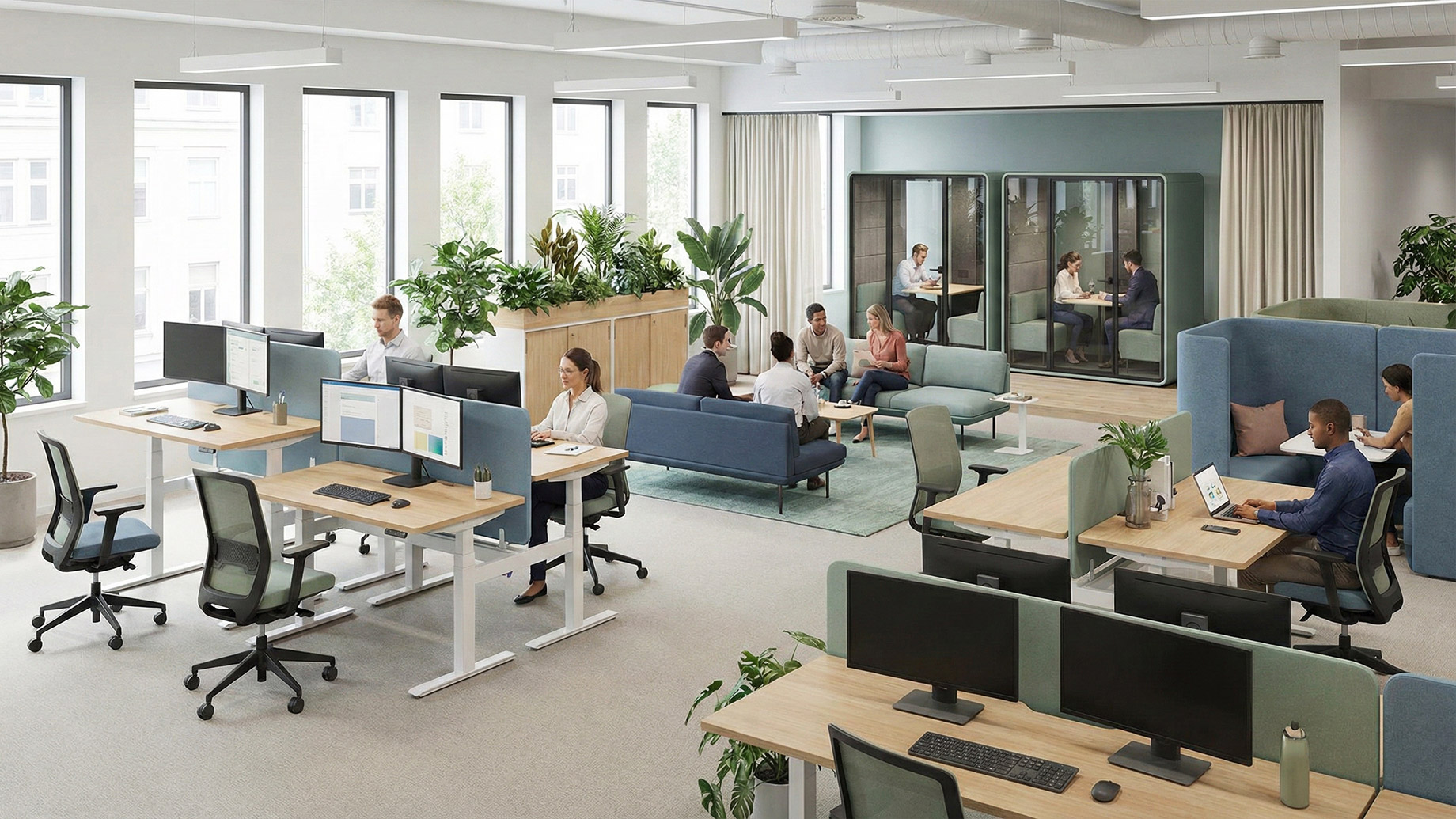
The environment where people spend the majority of their day has a profound impact on how they feel, think, and perform. Workplace design is far more than choosing furniture or wall colors. It shapes comfort levels, mental clarity, and productivity in ways that are often overlooked. Every detail contributes to an atmosphere that either supports or hinders employee performance. Understanding these influences can help organizations craft workspaces that elevate both well-being and efficiency.
Let’s break down the ways design shapes each of these critical areas.
It Creates Comfort Through Ergonomics and Layout
Physical comfort is the foundation of a productive workspace. And it often begins with ergonomics. Chairs, desks, and equipment that match individual body types reduce strain and prevent discomfort over long hours. Employees who sit or stand in poorly designed workstations often experience fatigue, tension, and even long-term musculoskeletal issues. By exploring a view collection of adjustable chairs and other furnishings, organizations build a foundation for comfort and productivity.
Noise levels and spatial layout also affect comfort. Open office designs can encourage collaboration, but they may also introduce distractions and stress if not carefully planned. Incorporating quiet zones or sound-absorbing materials helps create balance. These areas allow employees to choose spaces that suit their immediate needs. Additional details such as natural light, fresh air, and thoughtful color choices further improve the environment. These elements make it easier to stay energized and comfortable throughout the day.
It Shapes Mental Focus Through Environment
Work environment design affects more than physical comfort. It also has a direct impact on mental focus. A cluttered or visually chaotic environment can break attention and make tasks harder to complete. Organizing spaces with clear lines of sight, designated work areas, and minimal distractions helps employees concentrate. Even subtle choices, like calming color palettes or separating collaborative and individual spaces, can improve cognitive engagement.
Lighting plays a key role in mental clarity. Exposure to natural light or full-spectrum artificial light regulates circadian rhythms. It also improves mood and reduces eye strain. Providing varied work zones, such as quiet corners, standing desks, or small meeting rooms, lets employees choose the environment that suits their focus needs. When workspace design aligns with cognitive requirements, deep work becomes possible rather than a constant struggle.
It Supports Emotional Employee Well-Being
Comfort and focus are closely connected to emotional health. Workspaces that feel inviting, safe, and personalized create a sense of belonging and satisfaction. Elements like plants, artwork, and open sightlines can reduce stress and inspire creativity. Employees are more likely to stay motivated and engaged when their environment shows care and attention.
Social spaces also influence emotional well-being. Areas meant for casual interaction, collaboration, or relaxation help people recharge and build meaningful connections. These spaces reduce feelings of isolation and foster a sense of community, which can prevent burnout. Even small details, such as soft lighting, soothing textures, and quiet nooks, help manage stress and maintain work-life balance throughout the day.
It Encourages Movement to Improve Productivity
Movement is often overlooked in workplace design, yet it has a profound effect on comfort and performance. Desks that allow standing or adjustable seating encourage shifts in posture and reduce the health risks of prolonged sitting. Strategic placement of communal areas, printers, and meeting rooms promotes natural movement, keeping employees energized.
Flexibility in layout also supports both individual and team productivity. Modular furniture and adaptable workstations allow spaces to evolve according to changing project needs. Employees can transition smoothly from focused solo work to collaborative sessions without friction. A workspace that accommodates varied tasks and working styles signals respect for diverse work habits, enhancing satisfaction and overall performance.
It Integrates Technology to Streamline Performance
Technology has become inseparable from work, and its integration into the environment influences productivity significantly. Thoughtful placement of monitors, charging stations, and connectivity hubs reduces frustration and keeps workflows uninterrupted. A well-designed tech infrastructure minimizes unnecessary movement and distractions. This approach allows team members to stay immersed in their tasks.
Visual and auditory technology also contributes to focus. Screens and displays should be positioned to reduce glare, and video or audio conferencing setups should be ergonomic and user-friendly. In collaborative environments, shared digital tools combined with adaptable physical spaces can streamline communication and reduce cognitive load. A premise that blends technology seamlessly ensures that everyone can focus on their work, not navigating technical obstacles.
It Connects With Nature to Boost Energy
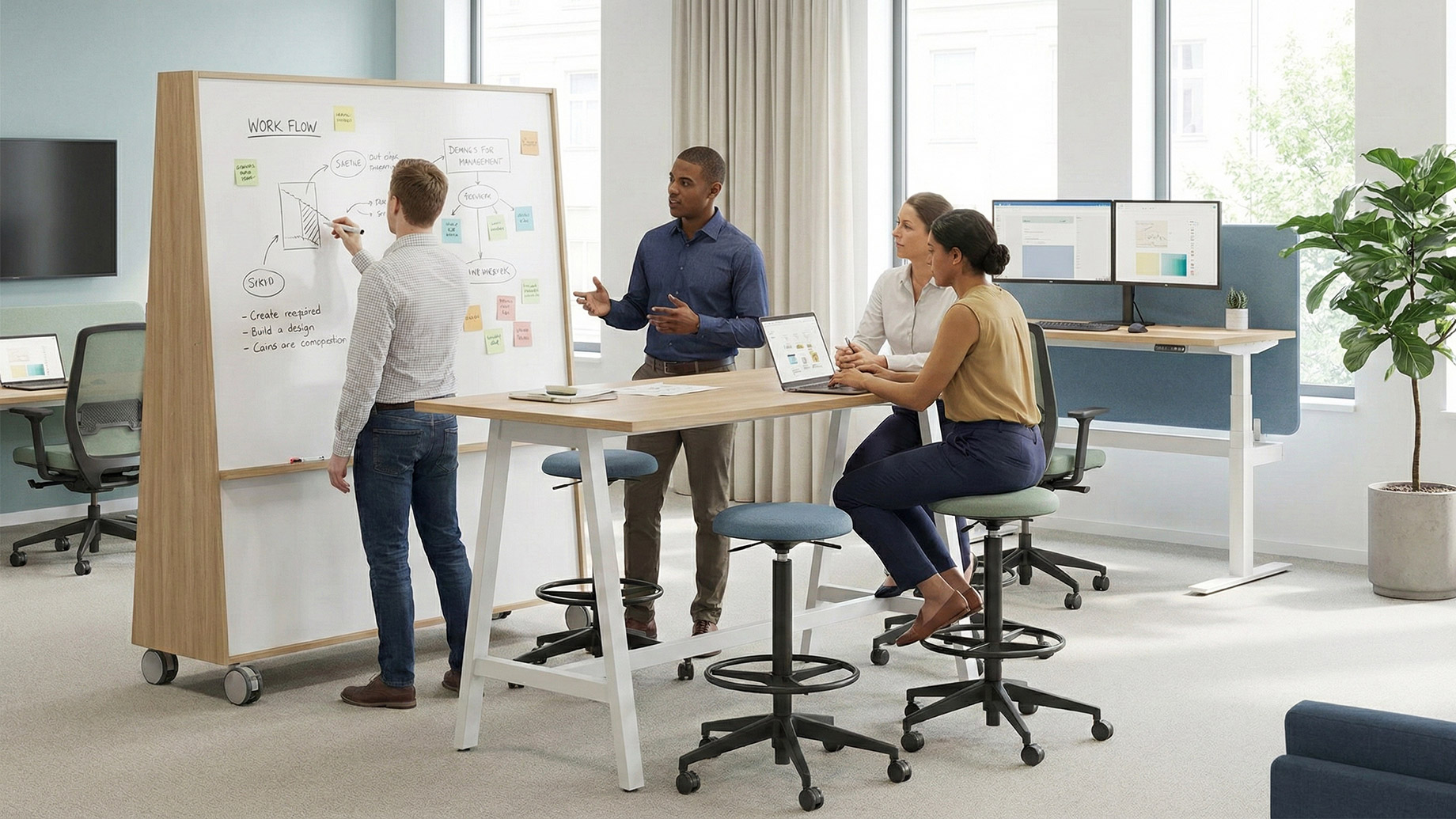
Incorporating elements of nature into the workplace has measurable benefits across comfort, focus, and performance. Biophilic design, using natural materials, plant life, and daylight, reduces stress and improves mental clarity. Workspaces that connect staff to natural elements support cognitive function and emotional resilience.
Even minimal integration of greenery, natural textures, or outdoor views can transform a workspace. These elements provide subtle restorative effects, helping employees recover from cognitive fatigue and maintain sustained attention. Biophilic principles also encourage movement and interaction, as people are naturally drawn to well-lit, plant-filled, and visually stimulating areas. Such design strategies cultivate a workplace that nurtures well-being while enhancing efficiency.
Key Takeaway
A well-designed workplace shapes how people feel, think, and perform. Thoughtful choices in layout, lighting, and furniture reduce stress and improve focus. Spaces that encourage movement and connect people to natural elements support both well-being and productivity. Even small adjustments can create noticeable improvements in energy and engagement. Investing in a workspace that promotes comfort and performance benefits both employees and the organization.
