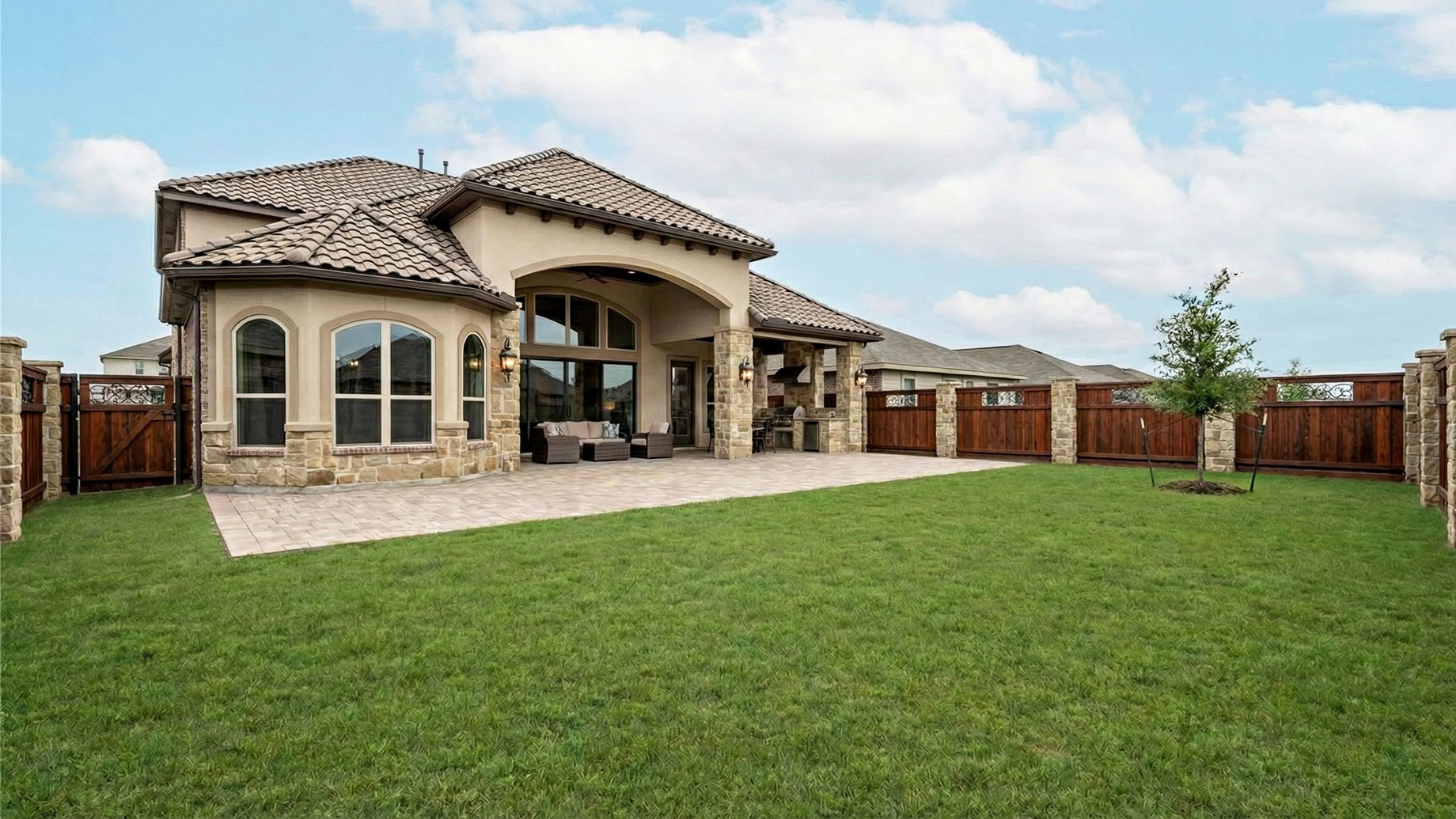
You walk out your back door and survey your yard. It’s a decent size—maybe even larger than your neighbors’. There’s grass, maybe a tree or two, and technically, plenty of room for activities. Yet something feels off. Despite all that square footage, your backyard feels strangely empty, uninviting, and unused. If this sounds familiar, you’re not alone. Many homeowners struggle with the paradox of spacious but soulless outdoor spaces.
The issue isn’t about size. It’s about substance, structure, and purpose. Here’s why your backyard might feel like a void rather than a valued extension of your home—and what you can do about it.
The Lack of Defined Zones
One of the primary reasons large backyards feel empty is the absence of defined spaces. When you look at a successful outdoor area, whether it’s a public park or a well-designed residential yard, you’ll notice distinct zones that serve different purposes. Without these boundaries and designated areas, even a generous backyard becomes a featureless expanse of grass.
Think about your indoor living space. You don’t have one giant room where everything happens. You have a kitchen for cooking, a living room for relaxing, a dining area for meals. Your backyard needs the same thoughtful division. Without it, the space lacks identity and purpose, making it feel incomplete no matter how much land you have.
Creating these zones doesn’t require expensive landscaping. It can be as simple as designating an area for dining, another for lounging, and perhaps a third for activities or gardening. The key is giving each section a clear role in your outdoor lifestyle.
Missing Vertical Elements
Another common culprit behind the empty backyard syndrome is the lack of vertical interest. When everything in your yard exists at ground level—flat grass, low shrubs, maybe a flower bed—your eyes have nowhere to go. The space feels one-dimensional and barren because there’s nothing to break up the horizontal plane.
Vertical elements create visual interest and make spaces feel more complete. This could mean installing pergolas, adding tall plantings, incorporating trellises, or building structures that draw the eye upward. These features add dimension and depth that transform a flat, empty-feeling yard into something that feels intentionally designed and fully realized.
Elevated structures also create opportunities for defining space without walls. A pergola naturally suggests a gathering area beneath it. A tall privacy screen creates an intimate nook. These vertical touches give your backyard architecture and presence.
No Central Gathering Point
Many empty-feeling backyards lack a focal point—a central feature that anchors the space and invites people to use it. In well-designed yards, this might be a fire pit, a water feature, an outdoor kitchen, or a beautiful deck. Without something to draw people outside and give them a reason to stay, the backyard remains an underutilized amenity.
This is where thoughtful additions make the biggest impact. A deck, in particular, serves as an excellent anchor point for outdoor living. It provides a defined, level surface that naturally becomes the hub of backyard activity. Professional deck building contractors understand how a well-placed deck can transform an empty-feeling yard into a functional outdoor room that sees daily use.
The gathering point doesn’t have to be elaborate. Even a simple seating area with comfortable furniture can serve as the anchor that makes your backyard feel purposeful and inviting rather than vacant and neglected.
Lack of Transitions
Another overlooked issue is the absence of thoughtful transitions between different areas of your yard and between indoor and outdoor spaces. When you step out your back door directly onto grass with no intermediate space, there’s a jarring disconnect that makes the backyard feel separate and uninviting rather than like a natural extension of your home.
Successful outdoor spaces feature transitional elements—a patio just outside the door, steps that lead down to different levels, pathways that connect various zones. These transitions make the space feel cohesive and intentional. They guide movement through the yard and create a sense of journey even in a compact area.
Without these connective tissues, your backyard feels like a separate entity rather than part of your living space, contributing to that empty, unused feeling.
Missing the Human Touch
Backyards that feel empty often lack signs of human presence and personality. There are no places to sit comfortably, no lighting for evening enjoyment, no personal touches that make the space feel like yours. It’s just greenery and emptiness—more like a vacant lot than a backyard.
Adding furniture, lighting, and decorative elements brings life to outdoor spaces. String lights, lanterns, or landscape lighting extend the usability of your yard into evening hours. Comfortable seating encourages lingering. Personal touches like planters, outdoor art, or a favorite color scheme make the space feel less generic and more like home.
These human elements signal that the space is meant to be used and enjoyed, which naturally makes it feel less empty even before anyone steps outside.
Poor Flow and Accessibility
Sometimes backyards feel empty because they’re difficult to use. If there’s no easy path to different areas, if the grass is always muddy after rain, or if there’s no comfortable way to access various parts of the yard, people simply won’t use the space.
Addressing accessibility issues through pathways, proper drainage, and level surfaces makes a dramatic difference. When your backyard is easy to navigate and use in various weather conditions, it naturally sees more activity and feels less like wasted space.
The Solution: Intentional Design
The common thread in all these issues is the absence of intentional design. Backyards don’t feel empty because they’re too small—they feel empty because they haven’t been designed with purpose. The good news is that transforming an empty-feeling yard doesn’t necessarily require a massive budget or complete overhaul.
Start by identifying how you want to use your outdoor space. Do you envision family dinners al fresco? Quiet morning coffee on a deck? A space for kids to play? Once you understand your goals, you can create the zones, add the structures, and incorporate the elements that will make your backyard feel complete.
Whether you begin with a professionally built deck, a DIY patio, or simply adding defined seating areas and vertical plantings, each intentional addition helps transform that empty feeling into a space that feels purposeful, inviting, and fully realized. Your backyard has potential—it just needs the structure and thoughtfulness to bring it to life.
