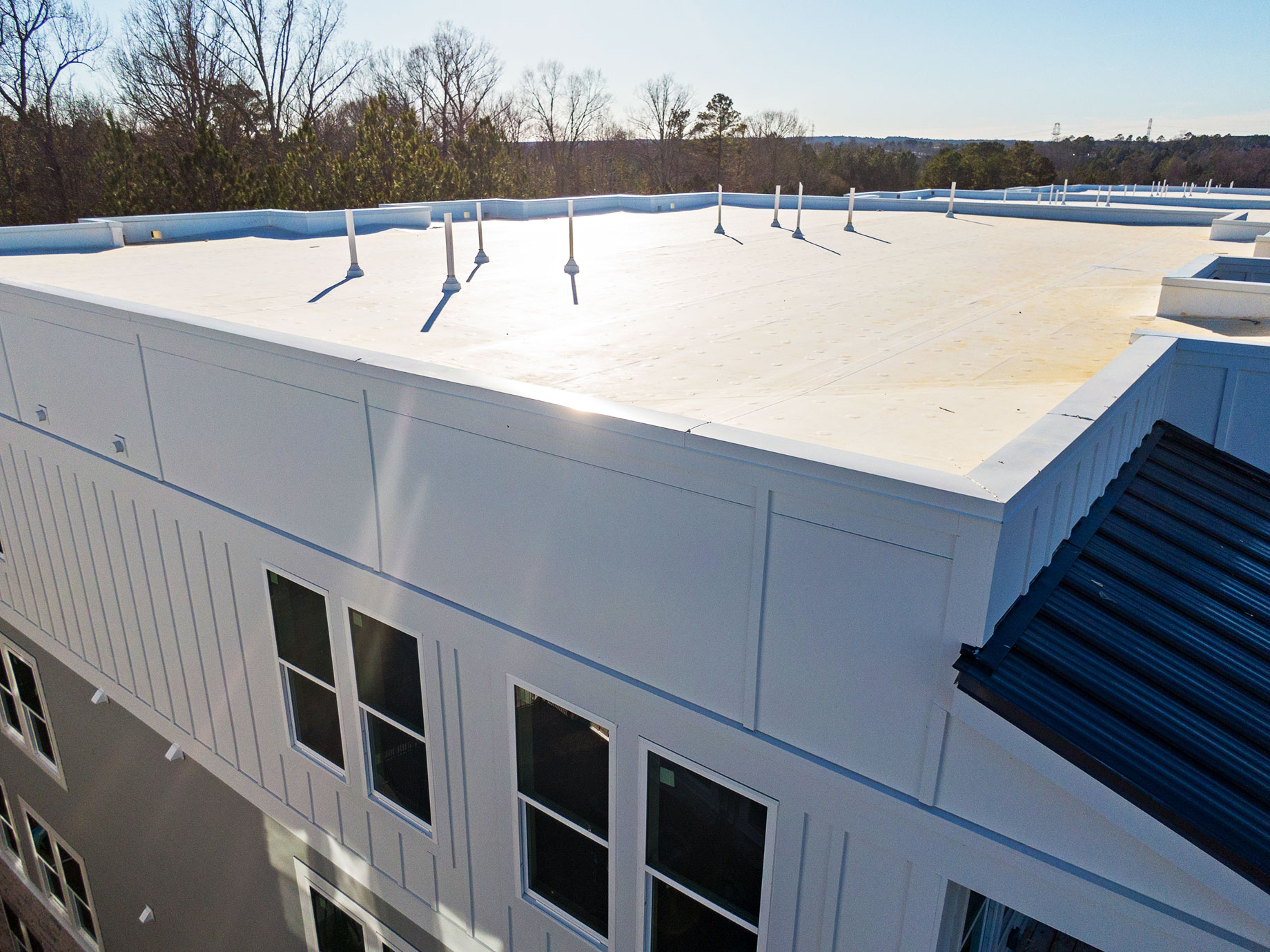
In the competitive landscape of commercial real estate, the roof is often the unsung hero of operational efficiency. While tenants focus on square footage and amenities, facility managers know that the building’s envelope dictates its longevity and energy consumption. Among the myriad options available for flat and low-slope roofs, Thermoplastic Polyolefin (TPO) has emerged as the dominant player.
Valued for its blend of durability, cost-effectiveness, and energy efficiency, TPO now covers millions of square feet of commercial space across the country. However, the material is only as good as the mechanics behind its application. Understanding the technical nuances of this system is essential for any property owner looking to maximize their return on investment.
The Physics of Efficiency
The primary appeal of TPO lies in its “cool roof” capabilities. Unlike traditional dark EPDM rubber or asphalt built-up roofs that absorb solar radiation, TPO’s white reflective surface bounces up to 80% of UV rays away from the building. This thermal reflectivity significantly lowers the roof’s surface temperature, reducing the heat load transferred into the building’s interior. For commercial facilities, this translates directly to reduced HVAC run times and lower electricity bills during peak summer months.
Beyond energy savings, the chemical composition of TPO—a blend of polypropylene and ethylene-propylene rubber—offers exceptional resistance to chemical exposure and ozone, making it ideal for industrial settings where exhaust vents might degrade other materials.
The Art of Installation
While the material itself is robust, the installation process is a precise science that leaves zero room for error. A comprehensive TPO roofing installation guide will typically highlight that the most critical phase occurs before a single roll of membrane is laid: the preparation of the substrate.
Professionals must ensure the deck is clean and that a tapered insulation system is installed correctly. This insulation doesn’t just provide R-value; it is engineered to create a subtle slope that directs water toward drains and scuppers, preventing the “ponding water” that accelerates the deterioration of flat roofs.
Once the substrate is prepped, the attachment method is chosen based on the building’s location and wind uplift requirements:
- Mechanically Attached: The membrane is fastened to the deck using screws and plates. This is the most common and cost-effective method, allowing for rapid installation.
- Fully Adhered: The membrane is glued directly to the insulation. This provides a smoother aesthetic and superior wind uplift resistance, making it ideal for high-wind coastal areas, though it is more labor-intensive.
The Critical Weld
The defining feature of a TPO system is the seam. Unlike other systems that rely on glues or tapes that can dry out and fail over time, TPO seams are hot-air welded. Using a robotic welder operating at temperatures around 1,000°F, installers fuse the overlapping sheets together, essentially turning multiple rolls into a single, monolithic membrane.
This process creates a bond that is actually stronger than the sheet itself. However, achieving a perfect weld requires an experienced hand; if the welder moves too fast, the seam will be cold and weak; too slow, and the membrane will burn. This technical requirement underscores why securing professional TPO roofing services is non-negotiable. An improperly welded seam is a leak waiting to happen, often undetectable until water has already saturated the insulation below.
Long-Term Asset Protection
A commercial roof is a significant capital expenditure. Protecting that investment requires viewing the roofing installation not as a one-time event, but as the start of a lifecycle. Regular inspections—checking for punctures from foot traffic or debris—are vital for maintaining the manufacturer’s warranty.
By choosing a high-performance material like TPO and ensuring it is installed with precision, commercial property owners secure more than just a watertight building; they secure a more energy-efficient, valuable, and resilient asset for the future.
