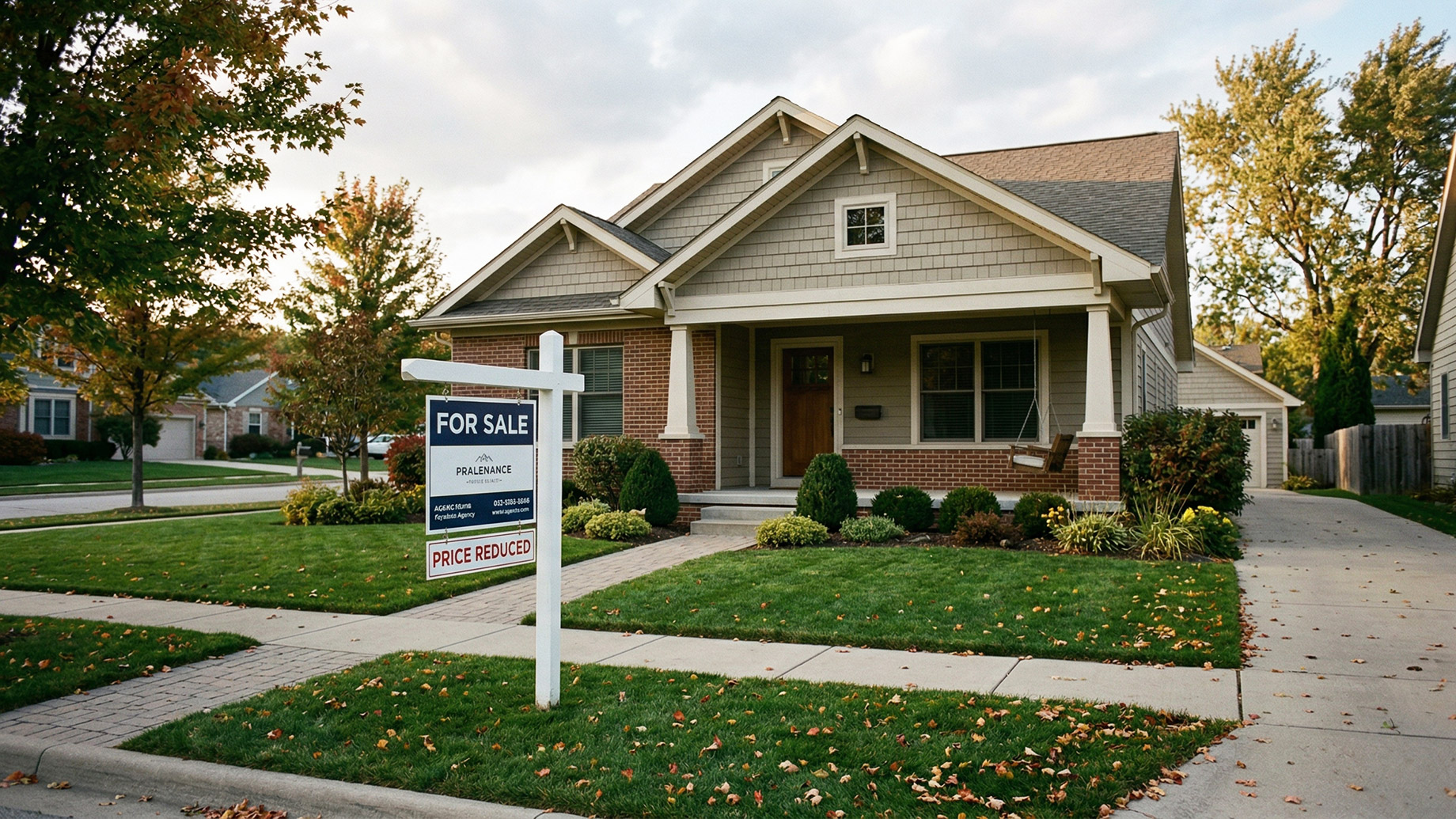
Selling a home often begins with optimism. Many homeowners expect strong interest soon after the listing appears on the market. Early showings, online views, and positive feedback can create excitement during the first few weeks.
At times, that early activity slows down. A home that once received attention may begin sitting on the market longer than expected. When days turn into weeks and offers fail to appear, sellers start wondering what changed. Understanding why momentum fades can help homeowners respond with smarter decisions.
Early Interest That Slowly Fades
When a home first enters the market, it usually attracts curious buyers. New listings appear in search alerts, and real estate agents often schedule showings quickly. This period often produces strong activity as buyers explore available options.
Over time, that attention may decrease. Buyers who follow the market regularly tend to notice how long a property remains listed. A house that stays active for too long can appear less appealing, even if nothing about the home has changed.
This shift in perception often affects buyer behavior. People may assume something is wrong with the property or the price. As a result, fewer showings take place, and offers become less likely.
Pricing That Does Not Match Market Reality
Price plays one of the largest roles in maintaining listing momentum. When a home enters the market above its realistic value, buyers often look at other properties first. Even a well-maintained house can struggle to attract offers if pricing exceeds local expectations.
Buyers today have access to detailed property comparisons online. They review recent sales, neighborhood trends, and listing histories before scheduling visits. If a property appears overpriced compared to nearby homes, interest quickly shifts elsewhere.
Some homeowners eventually explore alternatives when listings lose traction. Certain companies, including New South Property Solutions, work with sellers who want different selling paths after traditional listings slow down. This option allows homeowners to evaluate solutions that fit their current timeline.
Presentation That Fails to Capture Attention
First impressions influence how buyers feel about a property. Photos, descriptions, and overall presentation shape the way buyers imagine living in a home. When these elements fail to highlight the property’s strengths, interest can fade quickly.
Professional photography often plays an important role in attracting buyers online. Listings with clear, bright images tend to receive more views than those with poorly lit photos or limited visual details.
Interior presentation matters as well. Clean spaces, thoughtful furniture placement, and simple decor allow buyers to focus on the layout rather than distractions. Homes that appear cluttered or poorly maintained may struggle to hold buyer attention during showings.
Market Conditions That Shift Over Time
Real estate markets rarely remain constant. Economic factors, seasonal trends, and changing interest rates can influence how quickly homes sell.
During slower market periods, buyers may take more time to make decisions. They often review multiple properties before submitting offers. This cautious approach can cause listings to remain active longer than expected.
Seasonal timing also affects activity levels. For example, family buyers often prefer moving during the summer months when school schedules allow flexibility. Listings that appear during quieter seasons may naturally take longer to sell.
Buyer Expectations That Continue to Rise
Modern buyers frequently search for move-in-ready homes. Updated kitchens, modern bathrooms, and clean interiors often attract stronger interest.
A property that requires multiple repairs may still sell, though buyers tend to evaluate renovation costs carefully. If improvements appear expensive, buyers may hesitate or submit lower offers.
This situation often leads to longer listing periods. Sellers who choose not to update certain areas may need patience while waiting for buyers who see potential in the property.
Marketing Strategies That Lose Energy
Effective marketing keeps a property visible to potential buyers. Strong listings often include online promotion, agent outreach, and consistent exposure through multiple platforms.
When marketing efforts slow down, buyer awareness may decrease. Listings that receive fewer online impressions often experience fewer showings as well.
Refreshing marketing materials can help regain attention. Updated photos, revised descriptions, and targeted promotion may bring renewed interest to a property that has lingered on the market.
Emotional Fatigue for Sellers
Longer listing periods can create stress for homeowners. Preparing for repeated showings, maintaining a spotless home, and waiting for offers may feel exhausting over time.
Some sellers begin questioning their decisions after months of activity with limited progress. Emotional fatigue sometimes leads homeowners to reconsider pricing, marketing strategies, or selling timelines.
Real estate professionals often encourage sellers to stay focused on practical adjustments. Small changes in presentation or price may help restore momentum and attract renewed interest.
Practical Steps That Help Restore Interest
Several practical actions can help revive a listing that has slowed down. Sellers who remain flexible often improve their chances of finding the right buyer.
Common strategies include:
- Reviewing recent neighborhood sales for accurate pricing
- Updating listing photos to improve visual appeal
- Decluttering rooms to highlight space and layout
- Improving curb appeal through simple outdoor updates
- Adjusting marketing descriptions to emphasize key features
- Working closely with agents to evaluate buyer feedback
These steps may help bring new attention to a property that previously lost momentum.
Moving Forward After a Slow Listing Period
A listing that lingers on the market does not mean a home cannot sell. Many properties eventually attract the right buyer after adjustments in pricing, marketing, or presentation.
Patience and adaptability often make the difference. Sellers who stay open to new strategies can improve their chances of completing a successful sale.
Real estate markets change constantly, and buyer priorities shift over time. With thoughtful planning and realistic expectations, homeowners can move from a stalled listing toward a successful closing.
FAQs
1. Why does a home lose momentum after initial listing activity?
Homes often lose momentum when buyer interest fades over time. This can happen due to pricing concerns, market competition, or the perception that something may be wrong with the property.
2. How does pricing affect whether a home continues to attract buyers?
If a home is priced above market expectations, buyers may ignore it in favor of better-priced options. Accurate pricing is key to maintaining steady interest.
3. Can New South Property Solutions help if my listing has stopped getting attention?
Yes, New South Property Solutions provides an alternative selling path by offering direct cash solutions, helping homeowners move forward without relying on traditional listing momentum.
4. What role does presentation play in keeping buyer interest strong?
Presentation is critical. High-quality photos, clean interiors, and well-organized spaces help buyers stay engaged and imagine living in the home.
5. What can I do if my home has been on the market for too long?
You can reassess pricing, update marketing materials, improve presentation, and consider alternative selling options to regain buyer interest.
