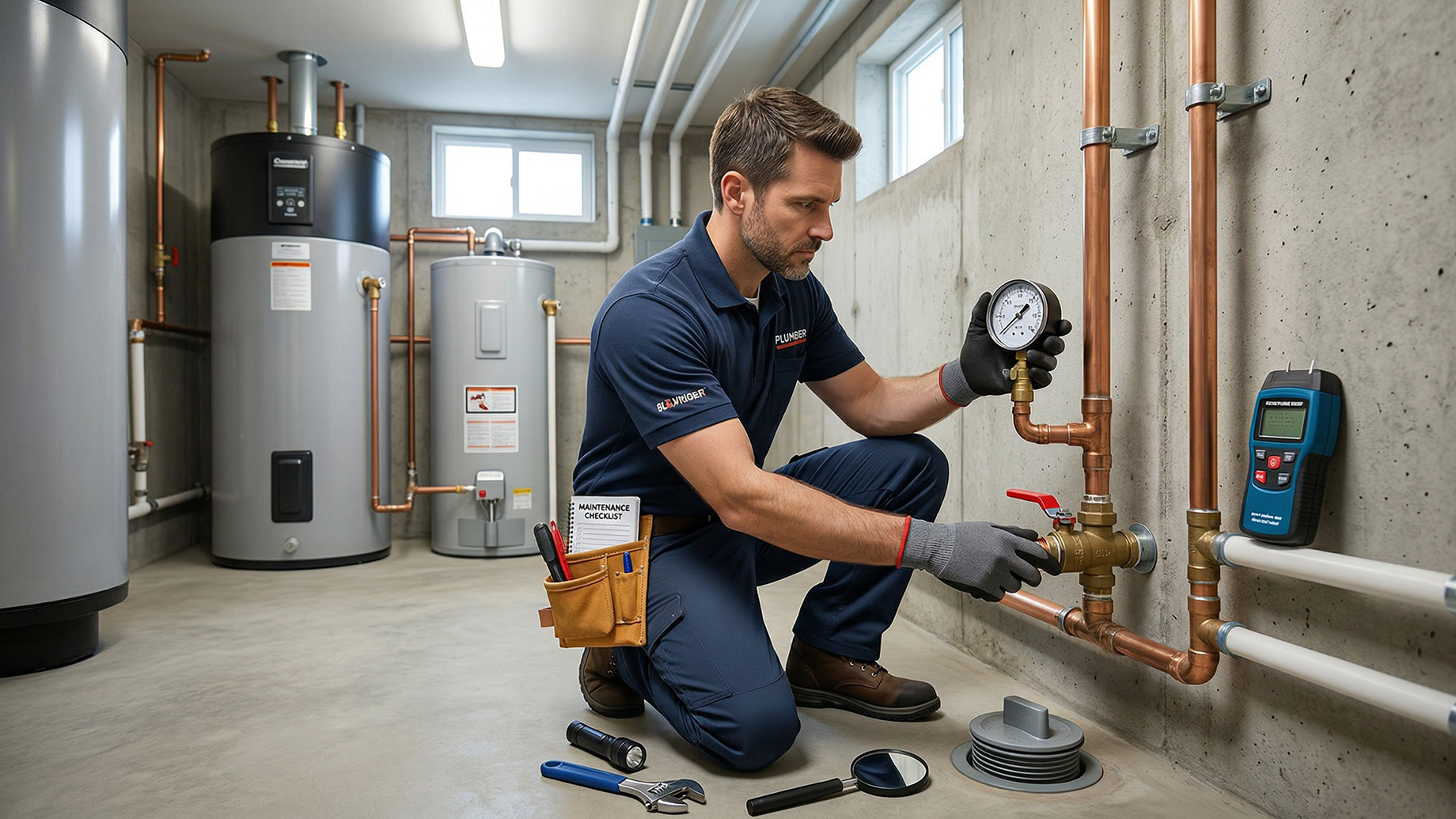
Plumbing systems are often taken for granted until something goes wrong. Whether in a home or a business, plumbing plays a vital role in ensuring comfort, hygiene, and functionality. A burst pipe, clogged drain, or leaking fixture can quickly escalate into costly repairs and disruptions. To avoid these problems, property owners should adopt a proactive approach by following a comprehensive plumbing maintenance checklist. Regular upkeep not only extends the lifespan of plumbing systems but also reduces the risk of emergencies.
Inspecting Pipes and Fixtures
The foundation of plumbing maintenance lies in regular inspection of pipes and fixtures. Homeowners and business managers should look for visible signs of leaks, corrosion, or cracks. Even small drips can waste significant amounts of water and increase utility bills. Fixtures such as faucets, showerheads, and toilets should be checked for proper operation. Early detection of issues prevents minor problems from becoming major repairs.
Checking Water Pressure
Water pressure that is too high or too low can indicate underlying plumbing issues. Excessive pressure strains pipes and fixtures, leading to leaks or bursts, while low pressure may signal blockages or hidden leaks. Installing a pressure gauge allows property owners to monitor levels and ensure they remain within safe ranges. If irregularities are detected, professional plumbers like TBP Toowong Plumbing can adjust or repair the system to restore balance.
Maintaining Drains and Sewers
Clogged drains are among the most common plumbing problems. Regular cleaning helps prevent buildup of grease, hair, soap scum, and other debris. Businesses such as restaurants should pay particular attention to kitchen drains, where grease accumulation is frequent. Sewer lines should also be inspected periodically to detect root intrusion or blockages. Preventive measures, such as using drain guards and scheduling professional jetting services, keep water flowing smoothly.
Inspecting Water Heaters
Water heaters require consistent maintenance to operate efficiently. Sediment buildup inside the tank reduces heating capacity and increases energy consumption. Flushing the tank annually removes deposits and extends the heater’s lifespan. Checking the thermostat ensures water is heated to safe and efficient temperatures. For businesses with high hot water demand, regular servicing is essential to avoid downtime and costly replacements.
Testing Shut-Off Valves
Shut-off valves are critical during emergencies, allowing property owners to stop water flow quickly. Valves should be tested periodically to ensure they function properly. Stiff or corroded valves may fail when needed most, leading to uncontrolled leaks or flooding. Replacing faulty valves is a simple yet vital step in maintaining plumbing safety.
Monitoring for Hidden Leaks
Not all leaks are visible. Hidden leaks inside walls, ceilings, or underground pipes can cause extensive damage over time. Signs such as damp spots, mold growth, or unexplained increases in water bills often point to concealed leaks. Professional plumbers can use advanced tools like leak detection equipment to identify and repair these issues before they escalate.
Ensuring Compliance with Regulations
Businesses must adhere to plumbing codes and regulations to ensure safety and hygiene. Regular inspections confirm compliance and prevent legal complications. Homeowners also benefit from following recommended standards, as compliant systems are safer and more efficient. Staying updated with local requirements ensures that plumbing systems remain reliable and legally sound.
Scheduling Professional Maintenance
While property owners can handle basic tasks, professional maintenance is essential for thorough care. Licensed plumbers have the expertise and equipment to detect problems that may go unnoticed during casual checks. Scheduling annual or biannual inspections provides peace of mind and ensures that systems remain in optimal condition.
Conclusion
Plumbing maintenance is not just about preventing leaks or clogs; it is about safeguarding property, reducing costs, and ensuring uninterrupted functionality. By inspecting pipes and fixtures, monitoring water pressure, maintaining drains, servicing water heaters, testing shut-off valves, and addressing hidden leaks, homeowners and businesses can keep their systems in excellent shape. Regular professional inspections further enhance reliability and compliance. Ultimately, a proactive plumbing maintenance checklist is the key to avoiding emergencies and protecting both comfort and investment.
