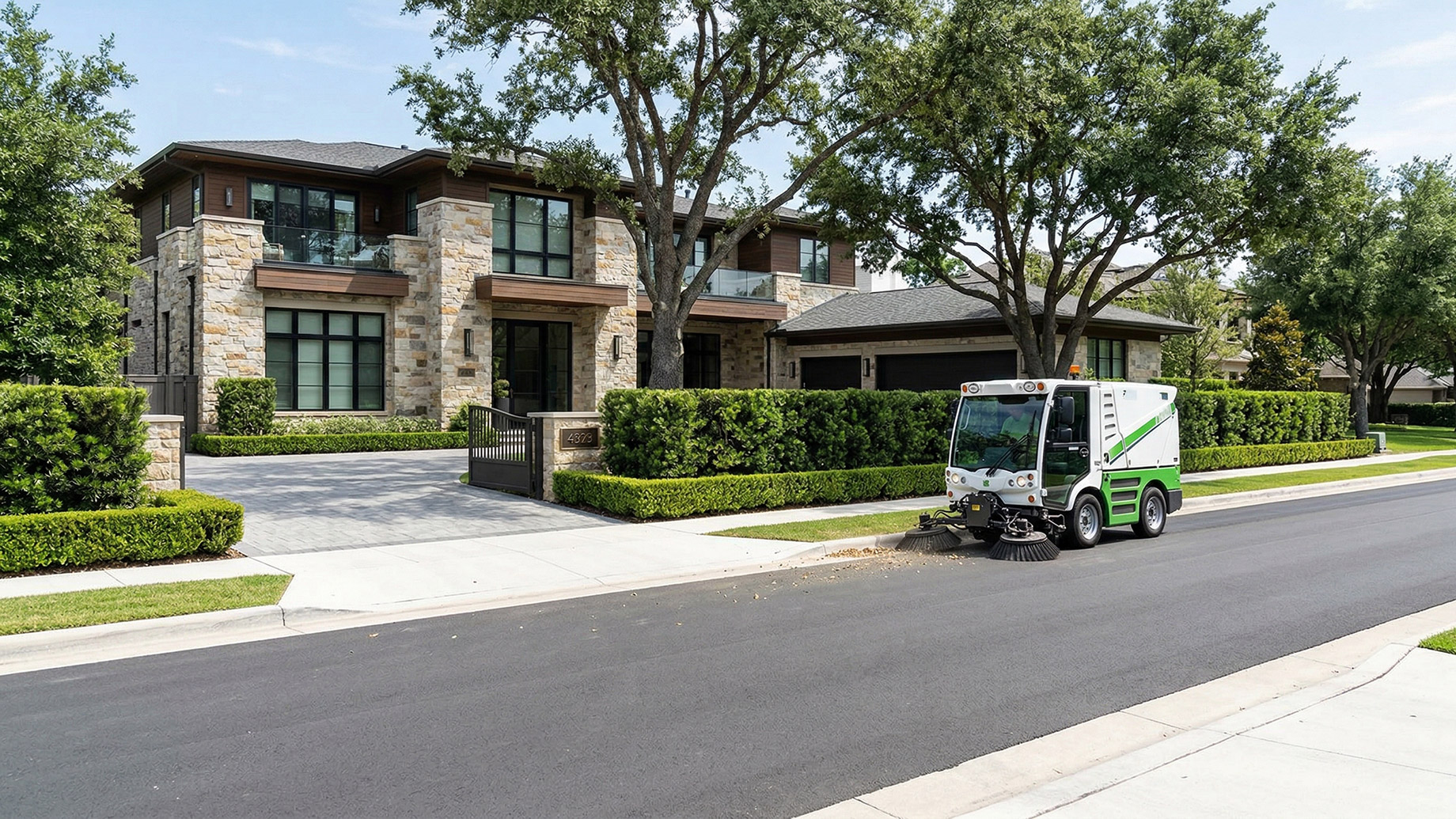
Urban environments are constantly exposed to traffic, weather conditions, and daily activity that contribute to debris buildup on streets. Dust, litter, and organic waste accumulate quickly, affecting both appearance and safety. Without consistent maintenance, these materials can create hazards and reduce the overall quality of public spaces.
Many municipalities and property managers rely on Cleaner Streets to maintain consistent cleanliness across roadways and public areas. Professional street sweeping provides a structured approach to removing debris before it becomes a larger problem. This proactive service supports both visual appeal and functional safety.
Understanding how street sweeping contributes to urban environments helps highlight its importance beyond basic cleaning. With regular maintenance, streets remain safer, more attractive, and easier to manage over time.
Reducing Debris Accumulation in High Traffic Areas
Streets experience constant use from vehicles, pedestrians, and environmental exposure. This activity leads to the accumulation of dirt, leaves, trash, and other debris. Over time, these materials can build up and affect both movement and appearance.
Street sweeping removes this debris before it spreads or becomes compacted into surfaces. Regular cleaning prevents buildup from reaching levels that require more intensive intervention. This keeps streets functional and visually appealing.
Cleaner Streets helps maintain high-traffic areas by providing consistent and reliable service. This ensures that debris does not interfere with daily activity.
Improving Road Safety for Drivers and Pedestrians
Loose debris on roadways can create safety hazards for both drivers and pedestrians. Gravel, sand, and litter may reduce traction, increasing the risk of slips or accidents. These conditions are especially dangerous during wet weather.
Street sweeping plays a key role in reducing these risks. By clearing debris regularly, surfaces remain more stable and predictable. This improves overall safety for everyone using the road.
Maintaining clean streets also enhances visibility. Clear surfaces make it easier for drivers to navigate and respond to changing conditions.
Supporting Stormwater Drainage Systems
Debris accumulation can affect more than just the surface of the street. When materials collect near drains, they can block water flow during rainfall. This leads to standing water and potential flooding.
Street sweeping helps prevent these issues by removing debris before it reaches drainage systems. Clean gutters and curbs allow water to flow freely, reducing the risk of overflow.
Cleaner Streets incorporates drainage awareness into its cleaning approach. Maintaining clear pathways for water supports both infrastructure and environmental health.
Enhancing Urban Appearance and Community Pride
Clean streets contribute to the overall appearance of a community. Well-maintained roadways create a positive impression for residents, visitors, and businesses. On the other hand, visible debris can make areas feel neglected.
Street sweeping helps maintain a polished and professional look across urban spaces. Consistent cleaning supports a sense of pride within the community.
Cleaner environments encourage better behavior. When streets are clean, people are more likely to respect and maintain that condition.
Reducing Environmental Impact
Debris on streets often includes materials that can harm the environment. Trash and pollutants may be carried by wind or water into natural areas. This can affect soil quality and local ecosystems.
Street sweeping helps reduce this impact by removing waste before it spreads. Preventing debris from entering waterways supports environmental protection efforts.
Cleaner Streets focuses on responsible maintenance practices that align with environmental goals. This contributes to healthier urban and natural environments.
Preventing Long Term Surface Damage
Accumulated debris can cause wear on road surfaces over time. Dirt and particles may become embedded, leading to gradual deterioration. This can result in cracks, uneven surfaces, and higher maintenance costs.
Regular street sweeping helps protect pavement by removing abrasive materials. Clean surfaces experience less stress and maintain their condition longer.
Preventative care reduces the need for extensive repairs. This supports long-term cost savings and infrastructure durability.
Supporting Efficient Traffic Flow
Debris can disrupt traffic flow by creating obstacles or uneven driving conditions. Drivers may slow down or change routes to avoid problem areas. This can lead to congestion and inefficiency.
Street sweeping helps maintain smooth and predictable road conditions. Clear surfaces allow vehicles to move safely and efficiently.
Cleaner Streets ensures that roadways remain functional, supporting consistent traffic patterns and reducing unnecessary delays.
Promoting Public Health and Hygiene
Urban debris often includes organic waste, dust, and pollutants that can affect air quality. These particles may become airborne, impacting respiratory health for nearby residents.
Street sweeping reduces the presence of these materials, contributing to cleaner air and improved hygiene. Removing waste regularly helps maintain healthier surroundings.
Cleaner environments benefit both individuals and communities. Reduced exposure to pollutants supports overall well-being.
Adapting to Seasonal and Environmental Changes
Different seasons bring different challenges for street maintenance. Leaves, pollen, and storm debris can accumulate quickly depending on weather conditions. These changes require flexible cleaning approaches.
Street sweeping services in Ventura County can be adjusted to match seasonal needs. Increased frequency during certain times ensures that streets remain clean and manageable.
Cleaner Streets adapts its services to respond to changing conditions. This ensures consistent results throughout the year.
Supporting Long Term Urban Maintenance Strategies
Street maintenance is an ongoing process that requires consistent attention. Neglecting regular cleaning can lead to larger issues that are more difficult and costly to address.
Street sweeping plays a key role in long-term maintenance strategies. By addressing debris early, it prevents problems from escalating.
Cleaner Streets helps municipalities and property managers maintain structured maintenance plans. This supports sustainable and efficient urban management.
Conclusion
Maintaining clean and safe streets requires more than occasional attention. Regular street sweeping is essential for reducing debris, improving safety, and supporting overall urban functionality. It plays a critical role in protecting both infrastructure and public health.
From enhancing appearance to preventing drainage issues and reducing environmental impact, consistent cleaning offers a wide range of benefits. Well-maintained streets contribute to stronger, more livable communities.
With reliable service from Cleaner Streets, urban areas can maintain high standards of cleanliness and safety. A proactive approach ensures that streets remain functional, attractive, and ready to support daily life.
