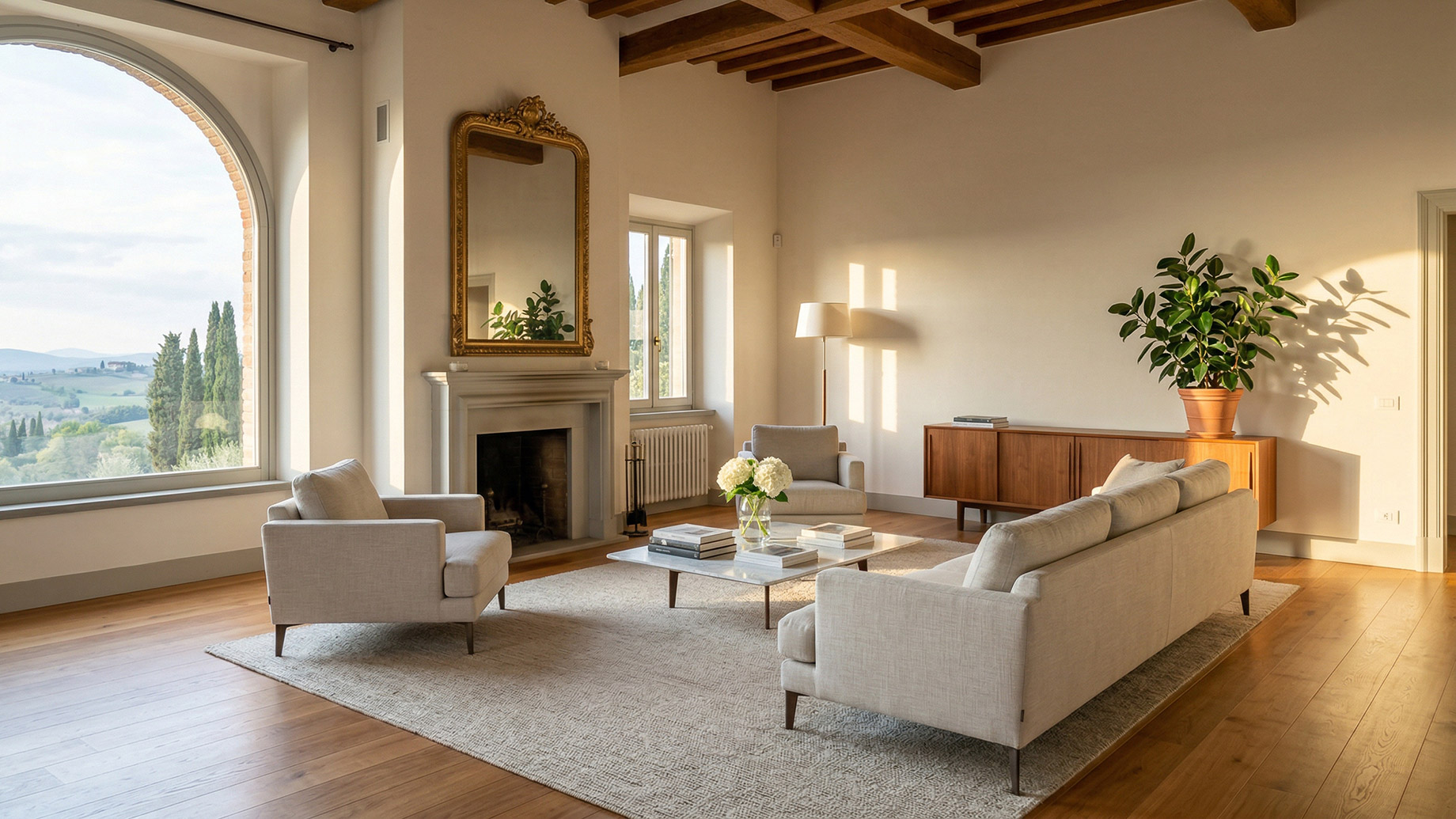
When most people think about increasing home value, they jump straight to expensive renovations: new kitchens, bathroom upgrades, or a fresh coat of paint on every wall. What often gets overlooked is something completely free: how your furniture is arranged. The way you place pieces in a room changes how spacious it feels, how light moves through it, and how buyers or guests experience the space emotionally. Smart furniture placement is one of the most underrated tools for making a home feel worth more than it might be listed for.
Why first impressions hit harder than square footage
People form opinions about a home within seconds of walking in. Before they check the square footage or count the closets, they feel the space. A room that feels open, warm, and well-organized signals care and quality. Two things that translate directly to perceived value.
Furniture placement controls that feeling. A sofa pushed flat against a wall, for example, makes a room feel smaller, not larger. It removes depth and makes the space look like it’s compensating rather than confident. Pulling furniture away from walls, even a few inches, creates breathing room and makes the layout feel intentional.
Buyers and appraisers alike respond to homes that feel thought-through. When the furniture arrangement leads your eye naturally from one space to the next, the home reads as larger and more livable. That perception adds real dollars to what someone is willing to pay.
| 10% avg. value boost from staging | 73% Agents say staging helps buyers visualize | $0 cost to rearrange what you already own |
Room-by-room moves that actually make a difference
Not every room carries equal weight when it comes to perceived value. Living rooms, primary bedrooms, and kitchens are the spaces buyers scrutinize most. Getting the placement right in these three areas alone can shift how the entire home is perceived.
In the living room, anchor your seating around a focal point: a fireplace, a large window, or even a well-chosen piece of art. If your couch is facing a blank wall, you’re missing a key opportunity to create visual interest and conversation flow. Use a rug to define the seating area and make sure furniture legs sit either all on or all off the rug to avoid that floating, disconnected look.
In the primary bedroom, centering the bed on the main wall with matching nightstands on either side creates symmetry that feels balanced and luxurious. Avoid pushing the bed into a corner unless the room truly can’t accommodate anything else. Buyers imagine their own lives in the space, and a centered bed signals comfort and intentionality.
| Quick tip Remove at least one large piece of furniture from each room before showing or photographing your home. Less furniture almost always makes a space feel bigger and more valuable. |
For homes in competitive markets, small changes like these can make the difference between a fast sale and a price cut. Companies that we buy houses Minneapolis work with often note that homes with clean, intentional layouts receive stronger offers even without major repairs or updates.
How light and furniture work together
Natural light is one of the most desired features in any home. Furniture that blocks windows, sits too low, or absorbs light with dark upholstery can make a bright room feel dim. Moving a large sectional away from a window or swapping heavy drapes for lighter ones instantly changes how a room reads.
Mirrors placed thoughtfully across from windows bounce natural light deeper into the space, making rooms feel more open without any construction. This is a trick used by professional home stagers because it works consistently, and it costs almost nothing if you already own a decent mirror.
| Clear the windows Never block natural light with tall furniture | Mirror the light Place mirrors across from light sources | Float your seating Pull furniture away from the walls for depth | Anchor with rugs Define zones and tie the room together |
Traffic flow is worth more than you think
One of the biggest mistakes homeowners make is arranging furniture for how they live rather than how a space should feel. When you live in a home for years, you stop noticing that you have to squeeze past the armchair to get to the kitchen, or that the dining table makes it awkward to open the back door fully.
Buyers notice immediately. Tight traffic flow feels like a small home. Easy, wide pathways feel like a large one, regardless of actual square footage. A good rule of thumb is to maintain at least 36 inches of walking clearance in main pathways and at least 18 inches around dining furniture.
This single adjustment, simply moving things to open up circulation, can change the feel of a home dramatically. It’s also one of the fastest changes to make and costs nothing beyond a bit of effort.
Staging your home before photos or showings
Photos are how most buyers experience a home before they ever visit it. Poor furniture arrangement photographs worse than it looks in person: cluttered, dark, and cramped. A few simple placement changes before your photographer arrives can improve listing photos significantly.
Remove excess furniture, especially in smaller rooms. Push larger pieces back to open floor space. Use vertical space; intentionally tall bookshelves and plants draw the eye upward and make ceilings feel higher. Keep pathways clear and surfaces relatively clean. You want the room to read as a stage, not a storage space.
When your photos look spacious and well-organized, buyer perception of value goes up before they even schedule a visit. That’s the quiet power of furniture placement. It shapes perception at every stage of how a home is seen and experienced.
