At some point, nearly every homeowner runs into the same problem: the house works fine, but there just isn’t quite enough space. The garage fills up faster than expected. A spare bedroom turns into a cluttered mix of storage and half-finished projects. Hobbies that once fit neatly into a corner start to spread across the house. The solution isn’t always moving or building a costly home addition. In many cases, the smarter option is adding usable space outside the home.
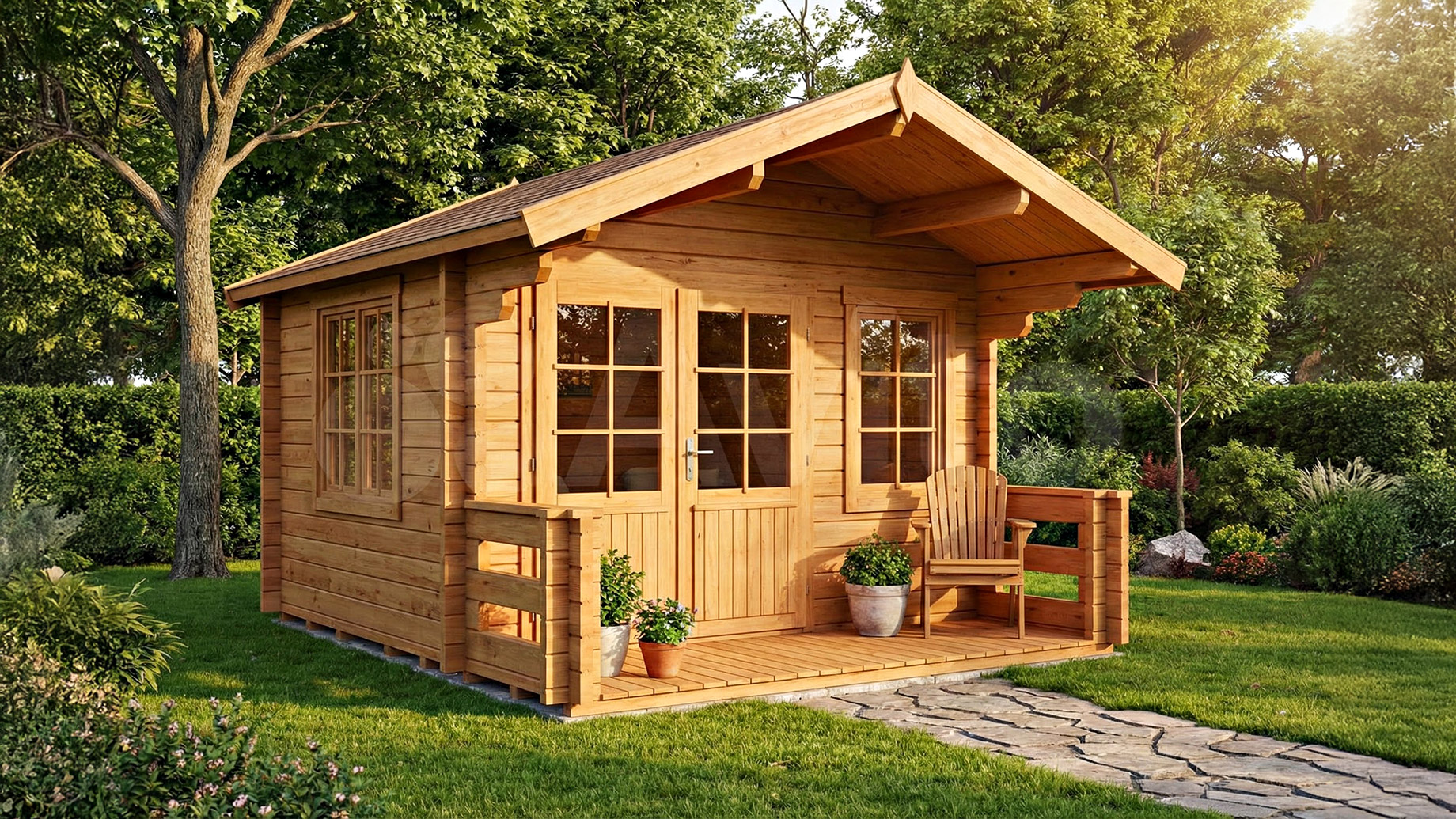
That’s where cabin-style sheds come in. Unlike basic storage sheds, cabin-style sheds are designed to be lived in, worked in, and enjoyed. They combine the practicality of a shed with the warmth and appearance of a small cabin, making them one of the most flexible backyard upgrades available today.
This article explains what cabin-style sheds are, why they’ve become so popular, how homeowners actually use them, and what to consider if you’re thinking about adding one to your property.
What Makes a Shed “Cabin-Style”
A cabin-style shed is not defined by a single feature. Instead, it’s the overall design philosophy that sets it apart. These sheds are built to feel intentional and comfortable rather than purely utilitarian.
Common characteristics include:
- Exterior designs inspired by cabins or small cottages
- Rooflines that add visual interest and interior height
- Larger or better-placed windows for natural light
- Door styles that feel residential rather than industrial
- Layouts that support everyday use, not just storage
The goal is to create a structure that blends into the property visually while offering real functionality inside.
Looking at examples of professionally built cabin-style sheds is often the easiest way to understand how much variety exists within this category—from compact backyard offices to larger multi-purpose spaces.
Why Cabin-Style Sheds Are Growing in Popularity
Cabin-style sheds aren’t a trend driven by aesthetics alone. Their rise is tied directly to how people use their homes today.
Remote work and flexible schedules
Many homeowners now work from home at least part of the time. A dining table or spare bedroom might work temporarily, but it rarely supports long-term focus. A cabin-style shed creates physical separation between work and home life, which can dramatically improve productivity and work-life balance.
Rising renovation costs
Home additions and interior remodels are expensive, time-consuming, and disruptive. Cabin sheds offer a way to gain usable space without tearing into the existing house or living through months of construction.
Increased focus on outdoor living
People are spending more time improving their outdoor spaces. A cabin-style shed adds structure and purpose to the backyard, turning it into a more functional extension of the home.
The need for flexible, future-proof space
Families grow, hobbies change, and storage needs evolve. A cabin-style shed can change roles over time—office today, hobby room tomorrow, organized storage down the road.
Common Uses for Cabin-Style Sheds
One of the biggest advantages of cabin-style sheds is how adaptable they are. Homeowners use them in ways that go far beyond simple storage.
Backyard office
This is one of the most popular uses. A cabin-style shed office offers:
- Quiet separation from household activity
- A dedicated workspace that doesn’t intrude on living areas
- Better focus during the workday
- A clear mental boundary between “work” and “home”
With proper insulation, lighting, and electrical setup, a shed office can be just as functional as a room inside the house.
Hobby or creative studio
Artists, crafters, woodworkers, and musicians often need space where projects can stay set up. A cabin shed allows you to leave materials out without constantly cleaning up or reclaiming shared space inside the house.
Home gym or wellness space
Exercise equipment takes up room quickly. A shed gym keeps weights, machines, and mats out of living areas. With durable flooring and ventilation, it becomes a consistent place to work out without cluttering the home.
Guest or hangout space
While local codes vary, many homeowners use cabin-style sheds as casual guest spaces or hangout rooms. Even without full plumbing, they can serve as comfortable retreats for reading, relaxing, or entertaining.
Organized storage with visual appeal
Some homeowners still use cabin-style sheds primarily for storage—but they appreciate that these sheds look good doing it. Instead of a plain utility box, the shed enhances the look of the property.
Design Features That Make a Big Difference
Not all cabin-style sheds feel the same. A few design choices have an outsized impact on comfort and usability.
Window placement and natural light
Natural light changes how a space feels. Well-placed windows:
- Make the shed feel larger
- Reduce the need for daytime lighting
- Improve comfort for work or hobbies
Consider how sunlight moves across your property and whether you prefer morning or afternoon light inside the shed.
Door style and entry
Door choice affects both appearance and function. Double doors are ideal for moving equipment or furniture, while a single residential-style door often feels better for office or studio use.
Roofline and interior height
Roof design influences both aesthetics and interior space. Taller or pitched roofs can make a shed feel more open and cabin-like, even at modest square footage.
Interior readiness
Even if you don’t plan to finish the interior immediately, it’s smart to choose a shed that supports future upgrades. Wall framing, ceiling height, and layout flexibility all matter if you later add insulation or interior finishes.
Planning for Comfort and Year-Round Use
If you plan to spend time in the shed—not just store items—comfort should be part of the plan from the beginning.
Key considerations include:
- Insulation: Keeps the space usable across seasons
- Ventilation: Prevents heat buildup and moisture issues
- Electrical access: Supports lighting, outlets, and equipment
- Heating and cooling options: Even small units can make a big difference
Many homeowners choose to start with a solid structure and add these features over time. The important thing is choosing a shed that can accommodate them later.
Site Preparation and Placement
A cabin-style shed should look like it belongs on the property. Placement and preparation matter more than many buyers realize.
Before delivery, consider:
- A level, stable base to protect the structure
- Delivery access (width, clearance, and turning space)
- Privacy and sightlines if the shed is used as an office or retreat
- Local rules or HOA guidelines regarding size and placement
Proper planning ensures the shed looks intentional and functions well long-term.
How Cabin-Style Sheds Add Real Value
The value of a cabin-style shed isn’t just measured in square footage. These structures often improve daily life in ways homeowners don’t anticipate.
They can:
- Reduce clutter inside the home
- Improve organization and storage efficiency
- Create dedicated space for focus and creativity
- Make outdoor areas feel more complete and usable
Many owners find that once the shed is in place, it becomes one of the most-used spaces on the property.
Choosing the Right Size
One of the most common regrets is choosing a shed that’s too small. It might work initially, but as soon as shelving, furniture, or equipment is added, the space can feel cramped.
A smart sizing approach:
- List what will live in the shed today
- Add room for movement and workflow
- Account for future storage or furniture
- If unsure, choose the larger size if budget allows
A little extra space often makes a big difference in long-term satisfaction.
Final Thoughts
Cabin-style sheds have earned their popularity by offering something homeowners genuinely need: flexible, comfortable space without the cost and disruption of a home addition. Whether used as an office, studio, gym, or organized storage area, they adapt easily to changing needs.
When chosen thoughtfully—with attention to size, design, and future upgrades—a cabin-style shed becomes more than a backyard structure. It becomes a practical extension of the home and a space that improves how the entire property functions.
