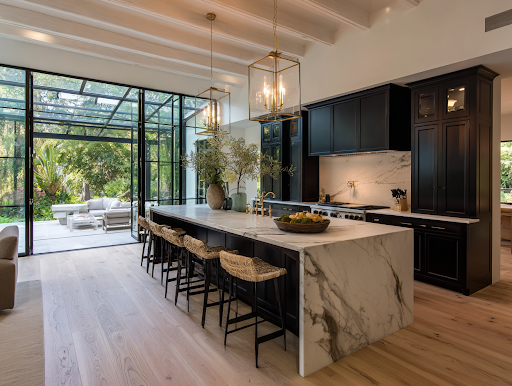
White kitchen cabinets are one of the most popular choices in home design—and yet, they’re also one of the most misunderstood.
Many homeowners love the idea of a bright white kitchen but worry it might look plain, cold, or lifeless once everything is installed. Designers hear this concern all the time.
The truth is simple: white kitchen cabinets are never boring when they’re designed with intention. When done right, they feel fresh, warm, elegant, and full of character. When done wrong, they feel flat and unfinished.
This in-depth guide explains exactly how designers make white kitchen cabinets look stunning instead of dull. Every section breaks things down in an easy, practical way—no design jargon, no complicated rules, just clear ideas that work.
Why White Kitchen Cabinets Never Go Out of Style
White cabinets have stayed popular for decades because they solve many design problems at once. They make kitchens feel larger, brighter, and cleaner. Natural and artificial light bounce off white surfaces, helping the entire room feel open and welcoming.
Designers also love white cabinets because they don’t lock a kitchen into one trend. Unlike bold colors that may feel outdated in a few years, white cabinets age gracefully. You can change the style of your kitchen simply by updating hardware, lighting, or décor—without replacing the cabinets themselves.
Another reason white cabinets remain timeless is flexibility. Whether your home is modern, traditional, rustic, or minimalist, white cabinets fit naturally. They don’t compete with other design elements—they support them.
Designers Don’t Use Just One Shade of White
One of the biggest mistakes homeowners make is choosing “pure white” without thinking about tone. Designers know that white comes in many shades, and the wrong one can make a kitchen feel cold or lifeless.
Warm whites have soft yellow or beige undertones. These work beautifully with wood floors, warm lighting, and brass or bronze hardware. Cool whites have gray or blue undertones and pair well with stainless steel, marble, and modern finishes.
Designers test white samples in the actual kitchen space. They look at how the color changes throughout the day as light shifts. A white that looks perfect in a showroom can feel harsh at home if it doesn’t match the lighting and surroundings.
Choosing the right shade of white is the first step in avoiding a boring kitchen.
Contrast Is the Secret Weapon Designers Always Use
White cabinets need contrast to stand out. Without it, everything blends together and feels flat. Designers intentionally introduce darker or richer elements to give the kitchen structure.
Dark countertops are one of the most effective ways to ground white cabinets. Black, charcoal, or deep gray surfaces create a strong visual anchor. Even darker stone with subtle movement adds depth.
Wood is another favorite contrast tool. Designers often include wood islands, wood shelving, or wood floors to warm up the space. The natural grain breaks up the smoothness of white cabinets and makes the kitchen feel more inviting.
Black or dark hardware also adds definition. Handles and knobs outline cabinet doors, making the design feel intentional instead of plain.
Texture Keeps White Kitchens From Feeling Flat
Flat surfaces everywhere are what make white kitchens feel boring. Designers avoid this by layering texture.
Cabinet door styles play a major role. Shaker cabinets, with their recessed panels, create natural shadows. Beadboard or detailed molding adds even more visual interest.
Texture also comes from surrounding materials. Stone countertops with subtle veins, textured backsplashes, and even lightly grained wood floors all contribute to depth. Designers rarely rely on glossy finishes alone—they prefer soft, matte, or satin surfaces that reflect light gently.
Even when everything is white, texture gives the kitchen movement and life.
Backsplashes Are Where White Kitchens Get Personality
White cabinets act as the backdrop. The backsplash is where designers often express creativity.
Marble backsplashes are popular because they add an natural pattern without bold color. The veins introduce movement that keeps white cabinets from feeling static.
Classic subway tile is another favorite, but designers rarely use it in the standard layout. They experiment with vertical stacking, herringbone patterns, or contrasting grout colors to add interest.
Handmade or textured tiles are also common. Even subtle variations in tile shape or finish can make a huge difference.
The key is balance—the backsplash should complement the cabinets, not compete with them.
Mixing Cabinet Styles Adds Visual Depth
A kitchen filled with identical white cabinets can feel stiff. Designers often mix styles to create balance.
A common approach is to keep upper cabinets white while using a darker color or wood finish on lower cabinets or the island. This grounds the space visually and keeps it from feeling top-heavy.
Glass-front cabinets are another designer favorite. They break up solid white surfaces and add lightness. Even using them sparingly can make a kitchen feel more open and custom.
This mix keeps white cabinets from dominating the space.
Lighting Can Make or Break White Cabinets
Lighting has a massive impact on how white cabinets look. Poor lighting can make them appear gray or dull. Good lighting makes them glow.
Designers layer lighting throughout the kitchen. Under-cabinet lighting highlights countertops and adds warmth. Pendant lights over islands bring personality and softness. Recessed ceiling lights provide even brightness.
Warm-toned bulbs are often preferred with white cabinets. They soften the look and prevent the kitchen from feeling cold or sterile.
Lighting isn’t just functional—it’s emotional. It shapes how the space feels.
Hardware Works Like Jewelry for Cabinets
Hardware might seem like a small detail, but designers treat it like jewelry.
Simple cabinets can look high-end with the right hardware. Long handles create a modern feel. Curved pulls feel classic and traditional. Matte black, brushed brass, or mixed metals add contrast and character.
Designers also pay attention to scale. Oversized hardware on large cabinets creates drama, while smaller hardware keeps things subtle.
Changing hardware is one of the easiest ways to refresh white cabinets without replacing them.
Open Shelving Breaks Up Solid White Walls
Too many white cabinets can overwhelm a kitchen, even if the color is light. Designers often add open shelving to create balance.
Open shelves introduce breathing space and give the eye a place to rest. They’re perfect for displaying dishes, plants, or simple décor.
Wood shelves are especially effective because they add warmth and texture. Metal shelves can lean more modern or industrial.
The goal isn’t to remove cabinets—it’s to break up large white surfaces.
Flooring Grounds White Kitchen Cabinets
Flooring plays a critical role in how white cabinets feel.
Designers often avoid pairing white cabinets with white floors because the space can feel washed out. Instead, they choose materials that add contrast and warmth.
Wood floors are the most popular option. Their natural tones soften the brightness of white cabinets. Patterned tile floors add personality and movement. Stone or concrete floors give a modern, grounded feel.
The floor anchors the kitchen and keeps the design balanced.
Small Details Are What Separate Designer Kitchens
What truly separates a basic white kitchen from a designer one is attention to detail.
Designers think about trim, molding, faucet finishes, sink styles, and even grout color. They make sure appliances blend seamlessly with cabinetry. Nothing feels random or rushed.
Each detail may seem small on its own, but together they create a kitchen that feels polished and complete.
White Cabinets Work With Every Design Style
White cabinets are incredibly adaptable. Modern kitchens use clean lines and minimal hardware.
Farmhouse kitchens combine white cabinets with wood beams and vintage accents. Classic kitchens rely on soft whites and elegant detailing. Minimalist kitchens focus on simplicity and texture.
White cabinets don’t define the style—they support it.
How Designers Avoid the “All-White Box” Look
Designers never rely on color alone. They build kitchens using contrast, texture, lighting, and thoughtful details.
They plan where the eye should move, where warmth should appear, and where balance is needed. White cabinets become the foundation—not the entire story.
Final Thoughts: White Kitchen Cabinets Done Right
White kitchen cabinets are only boring when they’re treated as an afterthought. Designers prove that with the right planning, white kitchens can feel warm, bold, modern, and timeless all at once.
When you focus on shade, contrast, texture, lighting, and details, white cabinets become one of the most powerful tools in kitchen design. Done right, they don’t fade into the background—they make everything else shine.