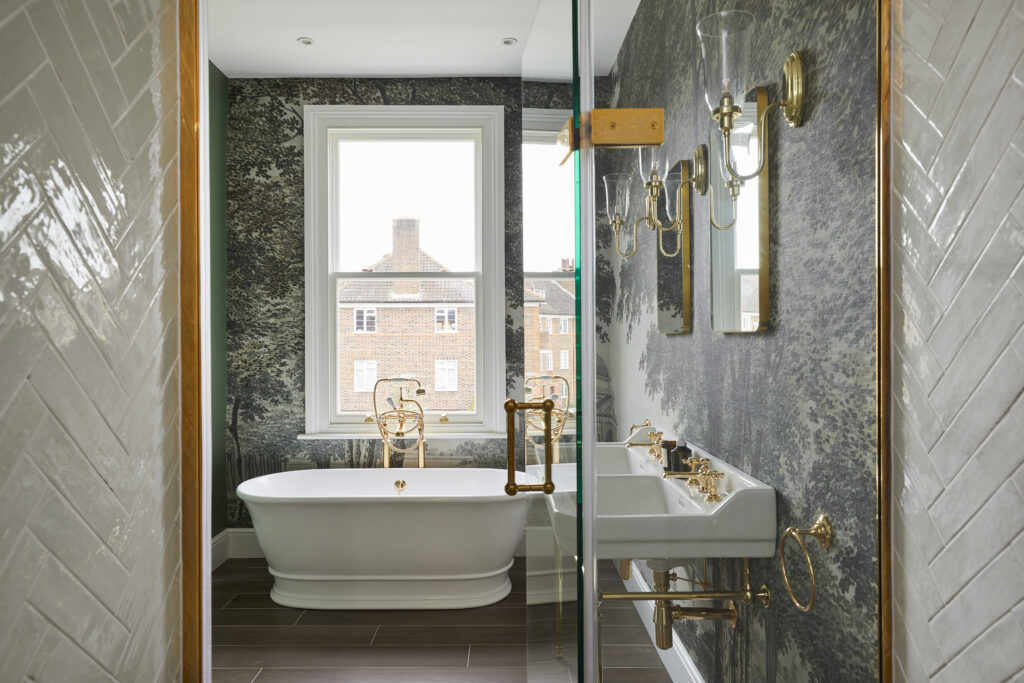
Some bathrooms make an impression without having an especially elaborate design. The tiles may be simple, the fixtures understated, and the color palette limited to a few neutral shades. Yet everything seems to fall into place. The lighting is comfortable, the surfaces complement one another, and even the smallest details appear to have been considered.
That feeling is often what separates an ordinary bathroom from one that feels more luxurious. It is not always about expensive materials or designer fixtures. Sometimes, it comes from a well-proportioned vanity, thoughtfully selected finishes, or lighting that makes the entire room feel more inviting. Homeowners looking for ideas to elevate their space can explore Ariel Bath’s bathroom vanity collections, which offer different styles and configurations that bring together functionality and visual appeal.
These details rarely compete for attention. Instead, they contribute to the room’s overall impression. A bathroom can have beautiful tiles and high-end fittings and still feel unfinished if the surrounding elements have not been considered. A simpler space can leave a stronger impression when its proportions, finishes, lighting, and storage feel right.
1. Lighting Sets the Mood
Walk into a bathroom with harsh overhead lighting and the room can feel rather clinical, regardless of how attractive the finishes are. Softer, well-positioned illumination creates a different atmosphere, particularly in a space where people begin and end their day.
A single ceiling fixture is rarely enough to serve every purpose. General lighting illuminates the room, but it may not provide the best conditions for shaving, applying makeup, or grooming. Lighting around the mirror supports these tasks and gives the vanity area a more finished look. Fixtures placed on either side of a mirror, for instance, can provide more even illumination than a light positioned directly overhead.
The color of the light deserves some thought, too. Warm or neutral lighting tends to feel more welcoming, especially alongside wood tones and softer finishes. Very cool lighting can make certain surfaces appear stark or washed out. It is worth checking how the lighting looks against the actual tiles, countertops, and cabinet finishes before settling on a fixture.
Backlit mirrors and dimmable lights offer another way to change the atmosphere throughout the day. Bright illumination is useful during a morning routine, while softer lighting can make the same bathroom feel more relaxed in the evening. These are relatively small additions, but they can change how the room is experienced without altering its layout.
2. Materials, Finishes, and the Vanity
A bathroom with several beautiful materials can still feel disjointed. The reason is often the combination, not the individual choices. Stone-look tiles, warm wood cabinetry, and brushed metal fixtures, for example, can create a comfortable balance of texture and color. The tiles provide a backdrop, the wood introduces warmth, and the metal adds a little contrast.
It helps to consider these finishes together instead of choosing each one in isolation. A polished countertop beside matte tiles can create interest without introducing another color. Natural wood can soften a room filled with stone, while glass keeps the overall appearance from becoming too heavy. No surface needs to make a statement.
The vanity is particularly important because it occupies a considerable amount of visual space. Its size and finish can influence the direction of the entire room. In a compact bathroom, an oversized cabinet can make movement feel restricted. A very small unit, meanwhile, may leave little room for everyday essentials.
Storage is part of the design, not something to figure out after the look is decided. Drawers are useful for smaller items, while cabinet compartments can accommodate taller bottles and cleaning supplies. A countertop with enough room beside the sink also makes daily routines more convenient. When these practical considerations are addressed, there is less need to keep adding organizers or leaving frequently used products scattered across the surface.
Cabinet handles, drawer fronts, and the relationship between the sink and countertop deserve attention during the selection process. They may seem like minor choices compared with the tiles or the main fixtures, but they are among the details people see and use every day.
3. The Shower and Its Fixtures
The shower area often takes up a significant part of the bathroom, yet its design can sometimes be treated as an afterthought. A showerhead and glass enclosure may be the main purchases, but the surrounding details influence the finished space just as much.
Frameless glass enclosures are popular in contemporary bathrooms because they allow the eye to move across the room without the interruption of bulky frames. This can be especially helpful in smaller spaces, where a solid partition might make the bathroom feel more enclosed. The trade-off is that glass requires regular cleaning to keep water spots and residue from becoming noticeable.
Recessed shower niches are another feature worth planning early. They provide space for shampoo and other bathing products without relying on shelves or leaving bottles on the floor. Their placement should be easy to reach, and the surrounding tile can continue inside the niche for a more integrated look.
The shower fixtures themselves can change the experience considerably. A rainfall showerhead creates a different feel from a conventional wall-mounted fixture, while a handheld shower is useful for rinsing, cleaning, and everyday flexibility. Some households may appreciate having both, although the choice should reflect how the shower will actually be used.
Then there is the less visible matter of drainage. The floor needs to slope properly toward the drain so water does not collect in corners or around the entrance. Linear drains can create a streamlined look, but a conventional drain can work just as well when positioned and installed correctly.
A well-designed shower is not necessarily the one with the most features. Comfortable access, sensible placement, and good installation often matter more than adding another expensive fixture.
4. Mirrors, Hardware, and the Finishing Touches
A mirror can do more than provide a place to get ready. In a compact bathroom, a large mirror reflects light and creates a greater sense of depth. In a double vanity, two separate mirrors can give each sink its own defined area, while one wide mirror creates a more continuous look. Round and arched shapes can soften a room filled with straight lines; rectangular designs tend to suit more structured interiors.
Getting the proportions right makes a difference. A mirror that is too small may look disconnected from the vanity, while one that is too large can overwhelm the wall. Its position also needs to account for the faucet, lighting, and the people who will be using it.
Hardware is another detail that can quietly influence the design. Chrome has a familiar, polished appearance; brushed nickel offers a softer metallic finish; matte black creates contrast; and brushed brass introduces warmth. Mixing finishes can work, too. For example, the main plumbing fixtures might use one finish while smaller decorative details introduce another. The combination simply needs to feel intentional, not accidental.
The smaller accessories are often where a bathroom starts to feel personal. A towel bar placed within easy reach of the shower, a robe hook near the door, or a soap dispenser that suits the countertop may not seem like major design decisions. Yet these are the things people interact with every day.
There is no need to fill every available surface. A small tray or a carefully chosen dispenser can add character to a vanity, but too many decorative items can make it feel crowded. Open shelving has a similar appeal, although it does require regular attention to keep it looking tidy. Leaving room for the things a household actually uses is usually more practical than trying to maintain a perfectly styled display.
5. What Makes the Finish Last
Some of the most important decisions in a bathroom are hidden once the renovation is complete. Waterproofing, ventilation, plumbing, and installation quality may not contribute directly to the room’s appearance, but they determine how well it holds up over time.
Consider ventilation. A bathroom with attractive finishes can quickly develop problems if moisture is not managed properly. An appropriately sized exhaust fan helps remove humid air and reduce condensation, particularly in rooms with limited natural ventilation. Waterproofing behind tiles and around wet areas deserves the same attention. Poor installation can lead to leaks and costly repairs that may require removing finishes that were otherwise perfectly good.
Workmanship is visible in more places than homeowners might expect. Uneven tile spacing, inconsistent grout lines, poorly aligned hardware, or a vanity that isn’t level can detract from the appearance of an otherwise beautiful room. These imperfections may be small, but they become noticeable when the rest of the design is carefully put together.
There is also something to be said for knowing when to stop adding things. A statement mirror, decorative lighting, patterned tiles, and metallic finishes can all look appealing, but they do not necessarily need to appear in the same room. Sometimes a simple wall finish gives a distinctive vanity more room to stand out. In another bathroom, detailed cabinetry and patterned flooring may provide enough visual interest on their own.
The style can be contemporary, traditional, or somewhere in between. What gives it a finished appearance is how the choices relate to one another, along with the care taken in executing them.
Luxury Is in the Details
A luxurious bathroom does not have to be filled with expensive materials or impressive features. Its appeal often comes from choices that are easy to overlook when planning a renovation: the quality of the lighting, the proportions of the vanity, the placement of a shower niche, or the finish of a faucet.
These details become part of everyday use. They influence how easily people move around the room, where they keep their essentials, and how comfortable the space feels at different times of the day. A dramatic feature might catch someone’s attention at first, but smaller decisions make the bathroom enjoyable long after the renovation is finished.