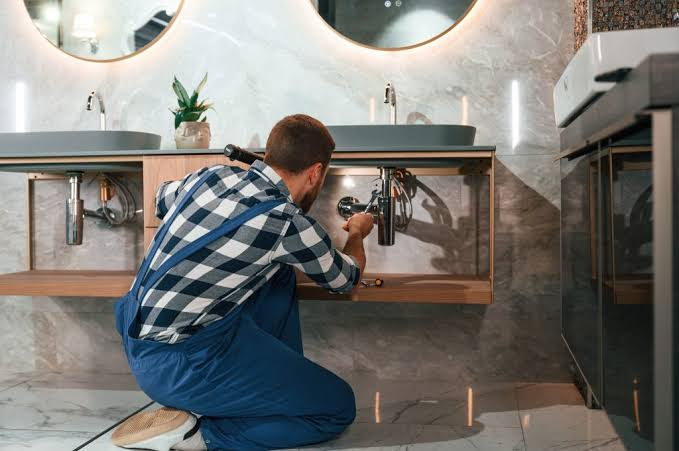
A luxury listing is sold on what you can see: the kitchen, the views, the primary suite, the finishes. The systems that keep the house livable are hidden behind walls and under the lawn, and they rarely come up in the listing. Plumbing is the one that most often surprises new owners. A slow drain in a guest bath is an annoyance. A failing sewer line under a finished landscape can turn into an expensive excavation that tears up a driveway, a patio, or a garden that took years to grow in.
The good news is that most plumbing risk can be identified before closing, as long as the buyer knows what to ask for. Here is how to think about it.
Why high-end homes are not immune
It is easy to assume that an expensive home has expensive, modern plumbing. Often it does not. Many of the most desirable properties sit in established neighborhoods, on lots where the original sewer lateral was laid decades ago. A full interior renovation can leave the underground line untouched, because it is out of sight and was working on the day the remodel finished.
Large homes also put more demand on their systems. More bathrooms, soaking tubs, steam showers, outdoor kitchens, and multiple laundry areas all send more water and waste through the same main line. When that main line is an older material, or has a small sag or root intrusion, the extra volume can turn a minor defect into recurring backups.
Ask what the sewer line is made of
The material of the main sewer line says a lot about its likely condition. Clay tile was common in older construction and holds up well against chemicals, but its joints can separate and invite roots. Cast iron is strong but corrodes from the inside over time, which roughens the pipe wall and catches debris. Some mid-century homes used Orangeburg, a fiber pipe that is known to deform and collapse with age. Newer homes usually have PVC or ABS plastic, which resists roots and corrosion when it is installed correctly.
Sellers do not always know what is underground. If the disclosure is vague, treat that as a reason to look rather than a reason to relax.
Make a sewer scope part of the inspection
A standard home inspection checks fixtures, visible pipes, water heaters, and drainage, but it does not look inside the buried sewer line. A sewer scope does. A plumber runs a waterproof camera from a cleanout through the line to the city connection or septic tank and records what it sees: cracks, offset joints, root intrusion, bellies where water sits, heavy buildup, or sections that have already been repaired.
For a buyer, the value is leverage and certainty. A clean scope means one less unknown. A scope that shows problems gives you a documented reason to negotiate a repair, a credit, or a price adjustment before you own the issue. The cost of the inspection is small next to the cost of excavating under hardscaping later.
When you review the video, ask the plumber to point out the footage location of any defects. That number tells you roughly where a repair would happen, which matters a great deal if the problem sits under a driveway or a mature tree.
Watch for these warning signs during showings
Even before a formal inspection, a few signs suggest the drain system deserves a closer look:
- Gurgling from a toilet or tub when another fixture drains
- Several drains that run slowly at the same time
- A faint sewer odor in a lower level, garage, or near a floor drain
- Fresh patches of concrete or new landscaping in a straight line from the house toward the street
- Water stains or efflorescence around a basement floor drain
None of these proves a failure, but together they point to the main line rather than a single clogged fixture.
Understand the difference between cleaning and repair
If a scope shows heavy grease, scale, or soft buildup, the line may only need a thorough cleaning. Hydro jetting uses high-pressure water to scour the inside of the pipe, and it is often recommended when the same clogs keep coming back. If the scope shows a crack, a collapsed section, or a belly that holds water, cleaning can buy time but will not fix the structure. That calls for a spot repair, lining, or replacement, and the choice depends on the pipe material, its depth, and what sits above it.
It helps to get the plumber’s assessment in writing, including whether they recommend cleaning, repair, or simply monitoring the line.
Do not forget the supply side
Drains get the attention, but the water supply matters too. Ask about the age and material of the main water service line and the interior supply pipes. Older galvanized steel can restrict flow and corrode. Some homes from the late twentieth century used polybutylene, which has a history of failures. Low water pressure across the whole house can point to a problem with the service line rather than individual fixtures.
Check the water heater’s age and capacity as well. A large home with several showers running at once needs either a properly sized tank, multiple units, or a tankless system designed for the demand.
Plan for maintenance after closing
Once the home is yours, a simple maintenance plan keeps the system predictable. Know where the main shut-off valve and the sewer cleanout are. Keep grease out of kitchen drains, especially in homes with frequent entertaining. Schedule periodic drain cleaning if the home has a history of buildup, and consider a follow-up camera inspection every few years on an older sewer line.
Working with a licensed local plumber who handles inspections, drain cleaning, and sewer repair under one roof makes this easier. In the Pacific Northwest, for example, companies such as WaterWays Plumbing handle sewer camera inspections, drain cleaning, and hydro jetting for homes across King and Snohomish Counties, which lets a homeowner keep one point of contact for the whole drain system.
The bottom line
The most beautiful home on the street still depends on pipes that nobody photographs. Asking about the sewer line material, ordering a sewer scope, and understanding whether a problem calls for cleaning or repair can save a buyer from an expensive surprise in the first year of ownership. It is a small step in a large purchase, and it is one that pays for itself the first time it uncovers something the listing did not mention.