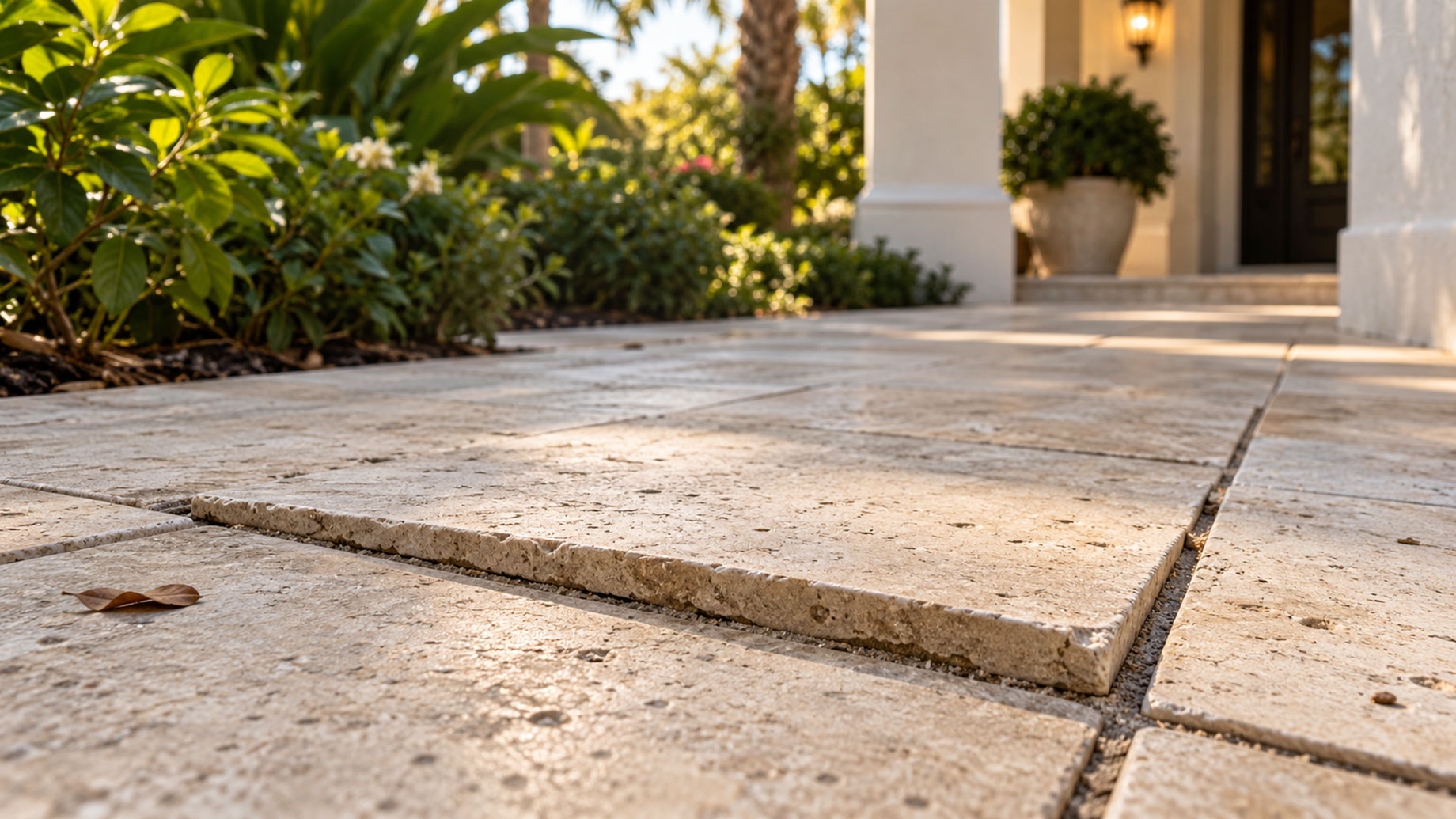
Picture a dinner party at your Coral Gables home. A guest steps onto the patio, catches a toe on a raised paver, and falls. A small maintenance problem has become a safety concern.
Checking the routes guests use can help you spot hazards before someone gets hurt. If an accident happens, the condition of the property and your response may matter when questions of responsibility arise.
What Premises Liability Means for Your Home
Premises liability is a property owner’s possible legal responsibility when an unsafe condition on the property contributes to an injury.
The Florida Bar’s guidance on civil jury instructions defines negligence as the failure to use reasonable care. For homeowners, that provides a starting point for understanding responsibility, rather than a complete legal test.
Relevant questions include what condition existed, whether the owner knew or should have known about it, what reasonable precautions were available, and whether the condition caused the injury.
Responsibility depends on the circumstances. Not every fall is automatically the owner’s fault. An owner’s duties can vary with a visitor’s status on the property. Who controlled the area also matters, so an injury alone does not establish liability.
This article provides general information, not legal advice for a specific claim. A Florida-licensed attorney can assess the circumstances of an individual accident. For visitors hurt on someone else’s property, the Coral Gables Personal Injury Lawyer page from Werner, Hoffman, Greig & Garcia explains how the firm assesses cases and gathers evidence.
Walk Your Home Like a First-Time Guest
Walk from the driveway to the backyard as though you have never visited before. Pay attention to the paths guests use and the changes in level they might not expect.
Entryways and Walking Routes
Start at the front walk. Look for uneven paving, hoses, planters and curled doormats. Minor cracks in paving may be normal, but raised or sunken sections can become trip hazards. The CDC’s fall-prevention guidance for older adults also recommends removing things people could trip over.
Steps and Lighting
Check every change in level, including the single step from the lanai to the lawn that regular visitors may know and new guests may miss. The CDC recommends railings on both sides of stairs. Check the route evening guests use after dark, and replace burned-out bulbs promptly.
Pool Access
Examine the surrounding paving, barrier and safety features as part of your walk-through. A pre-purchase pool-inspection checklist can remain useful after you have moved in.
Florida Statutes section 515.29 specifies a minimum outside height of 4 feet for a qualifying residential pool barrier. Section 515.27 lists an approved safety pool cover as one residential safety-feature option. These provisions are not a complete local compliance checklist. Confirm the requirements that apply to your pool with the city.
CPSC advises never leaving a child unattended in or near water and designating an adult Water Watcher. Also identify the brand of your drain covers and check for CPSC recalls. The April 9, 2026 recall of Muscccm-branded pool drain covers shows why equipment identification belongs on the checklist.
A Repeatable Check
Date your inspection notes and record any repairs still needed. Routine inspections help you catch new hazards and unresolved problems. Recheck the property before entertaining and after conditions change. Restrict access to an unsafe area while arranging a repair; a cone or warning sign does not correct the underlying problem. Include outdoor fixtures in each check, since working pathway lights help guests move along walkways safely after dark.
What to Do If Someone Is Hurt
An accident can happen even in a carefully maintained home. Focus first on the person’s needs, then on recording what happened.
Put Immediate Safety First
The City of Coral Gables directs residents to dial 911 for emergencies. If the injury appears serious, call before trying to document the scene. Block access to the hazard so another person does not get hurt.
Preserve a Factual Record
Once immediate care is addressed, write down what happened while memories are fresh. Make brief incident notes, photograph or film the hazard, and collect witness contact information.
Photograph the condition, note the time and weather, and record who witnessed the accident. Contact your insurer according to your policy. Keep your account factual rather than guessing about the injury or deciding who is legally responsible.
Consider Appropriate Help
If the injury is significant or the facts are disputed, either side may want legal advice. Ask any lawyer to explain the proposed fee arrangement in writing before hiring them.
Conclusion
Most household hazards are easy to miss and simple to fix once you notice them. A raised paver, an unlit step or a loose drain cover can turn an ordinary evening into an injury, which is why a regular walk-through matters more than a one-time check.
Look at your property the way a first-time guest would, note what needs attention and fix it before the next gathering. If someone does get hurt, put their safety first, keep a factual record, and get qualified advice when the situation calls for it. A little routine care protects your guests, and it puts you in a clearer position if questions ever come up.
FAQs
Does every injury make the homeowner responsible?
No. An injury alone does not prove negligence. The condition, the owner’s knowledge, the visitor’s status and the reasonable precautions available can all affect the assessment.
Is a warning sign enough?
A sign may be a temporary precaution, but whether it is adequate depends on the circumstances. Arrange a repair and restrict access when necessary rather than treating a warning as a permanent fix.
Should a visitor report a minor fall?
Reporting it promptly lets the homeowner address the hazard. It also gives both sides a chance to note the time, photograph the condition and identify witnesses while memories are fresh.
What should you ask before hiring a lawyer?
Ask for the written fee agreement, who pays case expenses and how evidence will be handled. If a lawyer works on contingency, ask how fees and expenses apply to your case, including if the claim does not succeed.
