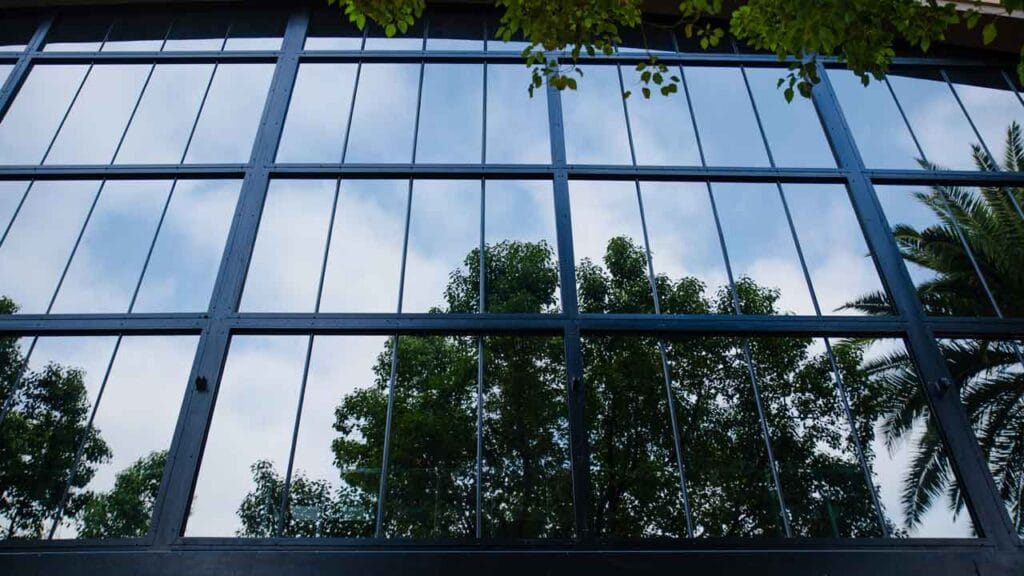
Architectural window tinting in Buckinghamshire has emerged as a critical technical specification for upgrading luxury residential estates, penthouse apartments, and high-end commercial properties across the Home Counties and surrounding metropolitan hubs. In modern architectural design, expansive structural glass panels, floor-to-ceiling curtain walls, and frameless skylights are celebrated for maximizing natural daylighting and creating uninterrupted visual connections with outdoor environments. However, unfiltered solar radiation entering through large glass elevations introduces severe physical degradation to interior finishes, fine art, bespoke joinery, and luxury furnishings. Retrofitting high-performance solar protection films onto existing architectural glass provides an invisible, permanent barrier against solar damage while simultaneously upgrading overall building thermal efficiency.
The Physics of Interior Photodegradation in Luxury Real Estate
The deterioration of interior materials caused by direct sunlight is driven by photothermal and photochemical reactions. When unfiltered solar radiation strikes glass surfaces, three distinct components of the solar spectrum contribute to interior fading and material decay:
1. Ultraviolet Radiation (UV): Responsible for approximately 40% of all interior fading, high-energy UV rays break down chemical bonds within organic dyes, fabrics, timber, and oil paints.
2. Infrared Heat (IR): Accounting for roughly 25% of fading, intense solar heat bakes interior surfaces, causing organic materials like hardwood floors, leather upholstery, and custom veneers to dry, warp, and crack.
3. Visible Light Spectrum: Representing around 25% of fading impact, bright visible light slowly breaks down pigment stability over prolonged exposure.
Traditional window coverings such as motorized shades, velvet drapes, or timber shutters fail to provide a complete solution for luxury properties. Drawing blinds during peak
daylight hours darkens meticulously designed interiors, obscures panoramic views, and forces reliance on artificial lighting, completely undermining the architectural purpose of expansive glass elevations.
A Comprehensive Structural Portfolio: Specialized Architectural Film Technologies
To meet the exacting aesthetic and performance standards of luxury property portfolios, specialized window films utilize multi-layered sputtering and ceramic micro-coatings that filter solar radiation without distorting optical clarity:
Solar Window Film
Engineered to target infrared heat buildup, advanced solar window film reflects up to 80% of total solar energy. By rejecting solar heat at the exterior glass interface, living spaces maintain stable, comfortable interior temperatures during hot summer periods without overworking central HVAC systems.
UV Protection Window Film
Focusing specifically on structural preservation, premium UV protection window film eliminates 99% of destructive ultraviolet rays. This invisible micro-thin barrier safeguards irreplaceable art collections, rare fabrics, antique furniture, and custom hardwood joinery from premature discoloration, preserving property valuation and interior aesthetics.
Privacy Window Film
For high-profile residents and urban luxury developments, maintaining visual discretion is paramount. Applying high-performance privacy window film creates a subtle, reflective exterior finish during daylight hours, preventing external observation while retaining crystal-clear outward visibility for occupants inside.
Glare Reduction Window Film
Excessive directional sunlight often ruins the usability of open-plan living areas, executive home offices, and media rooms. Installing specialized glare reduction window film cuts eye-straining reflections by up to 80%, restoring comfortable screen viewing and visual ergonomics without dimming natural ambient light.
Insulation Window Film
Year-round climate control requires balancing summer cooling with winter heat retention. Low-emissivity (Low-E) insulation window film acts as a thermal mirror during colder months, reflecting interior radiant heat back into rooms to reduce winter energy loss through glass by up to 30%.
Security Window Film & Frosted Window Film
Beyond solar management, specialized protective membranes enhance physical property safety and decorative detailing. Heavy-duty security window film securely anchors shattered glass fragments within the frame during accidental impacts or forced entry attempts, while frosted window film provides an elegant, translucent light-diffusing privacy option for interior partitions, wine cellars, and ensuite glass.
Strategic Deployment Across Major South East Regional Hubs
The demand for high-end architectural film retrofits is accelerating across premier urban centers and luxury suburban enclaves throughout London, Oxford, and Reading. Property developers, interior architects, and estate managers across these key metropolitan corridors face growing pressures to improve building sustainability and protect valuable interior assets from climate extremes.
For example, regional installation specialists such as Bucks Tinting regularly execute complex glazing retrofits across luxury penthouse developments in London, executive estates around Oxford, and commercial corporate headquarters in Reading. By applying specialized film solutions directly to existing double or triple-glazed window assemblies in situ, property managers upgrade standard glass to high-performance architectural specifications cleanly and efficiently.
Because the installation process requires no structural alterations, glass removal, or messy construction, high-value properties remain fully functional throughout fitting. This enables property owners to achieve significant energy performance gains and interior protection with zero operational downtime.
Long-Term Value and Environmental Sustainability
Retrofitting existing architectural glazing with specialized window film represents one of the most cost-effective and environmentally responsible upgrades available for high-value real estate. Replacing complete structural glass bays or custom curtain wall systems
involves substantial capital investment, heavy logistical disruption, and high embodied carbon expenditure through glass manufacturing and site disposal.
In contrast, applying precision-engineered film membranes transforms existing glass units into energy-efficient, protective thermal barriers at a fraction of the cost. The resulting drop in seasonal heating and cooling loads directly lowers operational carbon footprints and energy bills, while the long-term protection delivered to high-value interior finishes prevents costly restoration work.
Whether specified for a historic estate undergoing modern energy upgrades or a contemporary urban residence, architectural solar control films deliver a perfect balance of interior preservation, aesthetic elegance, and sustainable energy performance.