A viewing gives you time to notice the kitchen, the light and whether your furniture would fit. It may tell you less about what has been happening behind the cabinets. When you are considering a house, signs of rodents deserve a closer look before you agree that a problem has been dealt with.
You do not need to turn a viewing into a pest inspection. Your job is to notice concerns, record where they are and ask for an explanation that can be checked. The useful question is not simply whether the house has ever had a mouse. It is whether there is a problem now, what work it needs and what evidence supports the answer.
Look Without Disturbing Anything
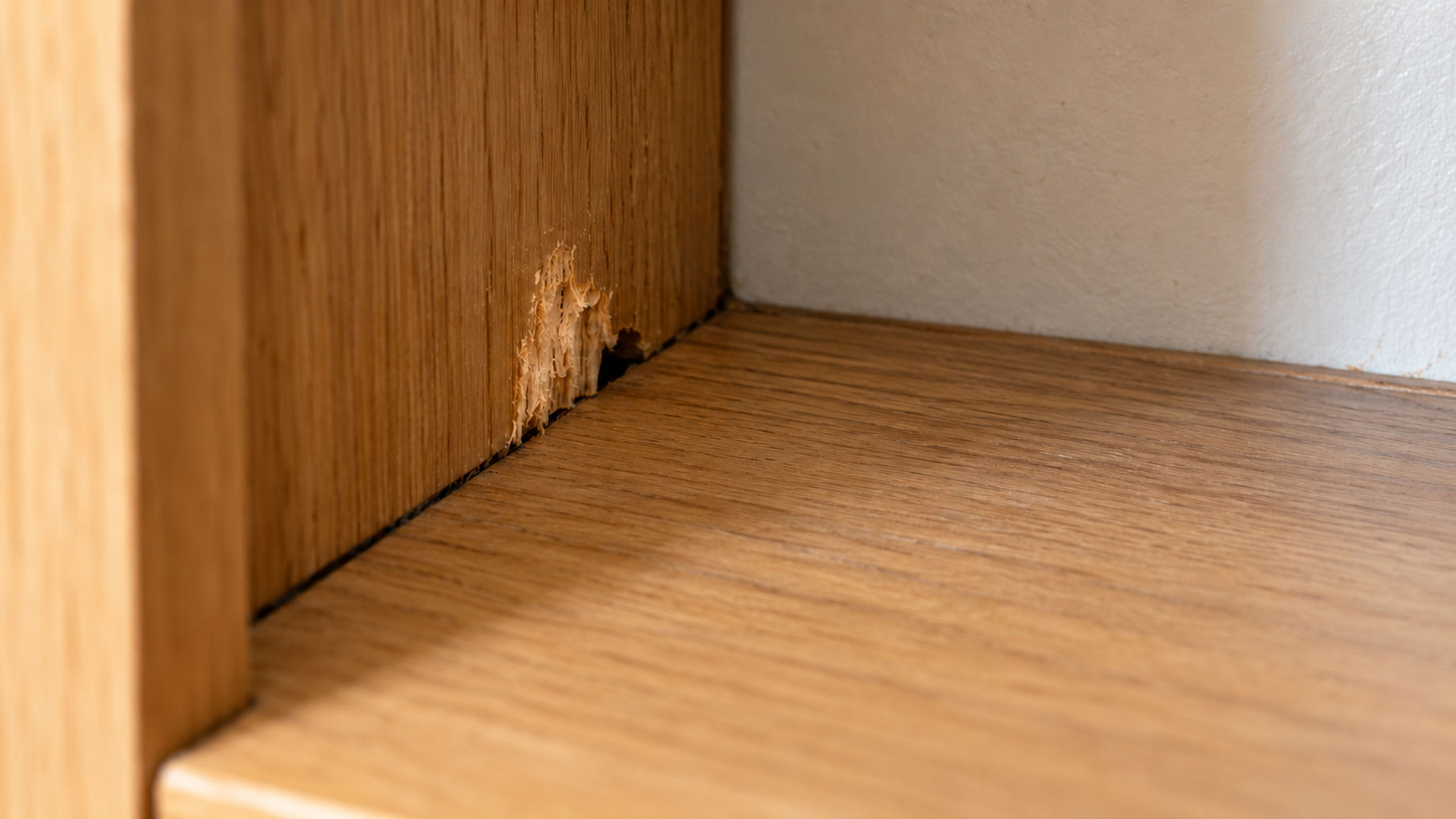
With permission, look inside accessible kitchen cabinets and storage spaces. The Centers for Disease Control and Prevention identifies droppings and evidence of gnawing as clues to rodent activity. Photograph anything suspicious from a safe distance and note the location for the inspector. Do not handle it to get a better picture.
A pile of pellets is not something to brush aside during a showing. The CDC warns against sweeping or vacuuming rodent waste because doing so can release contaminated material into the air. Leave suspected waste alone and arrange qualified help to assess it. Do not pull out insulation, move a nest or open a bait station.
Keep the inspection within the areas you can safely reach. A closed attic hatch or an inaccessible crawl space is a reason to ask who will inspect that space, not an invitation to climb inside yourself.
Separate Old Damage from Current Activity
Chew marks tell you something happened. They do not, by themselves, establish that rodents are still there. The CDC also notes that judging whether an infestation is active from droppings alone can be difficult.
That distinction matters when a seller says the problem was fixed. Ask when it was discovered, which rooms were affected and who carried out the work. A dated inspection report is more useful than a general assurance that someone put traps down.
If the area was cleaned, ask whether it was checked again afterward and what that check found. Do not try to create your own test by cleaning the waste during a viewing. Equally, a clean cupboard on the day you visit cannot explain what happened last month.
Ask What the Previous Work Actually Covered
A receipt for treatment can answer one question while leaving several others open. Ask for the work description, not just the payment total. Did the contractor identify the affected areas? Were possible entry routes assessed? Was any repair completed, or only recommended?
For background before discussing the report, the explanation of inspection, trapping and entry repairs at Rodent Exterminator can help you distinguish the tasks. Use it to prepare questions about this house, rather than assume every property needs the same treatment.
Ask for any later visit notes too. A first visit describes what someone found at that time. Follow-up records can show what was checked after the work. If records are unavailable, keep that uncertainty visible when deciding what further inspection to arrange.
Get a Scope You Can Compare
When there is an unresolved concern, ask the inspector what their visit covers and whether a separate rodent assessment is needed. Do not assume that an inspection booked for another purpose includes all the spaces or issues you have noticed.
Request a written scope that separates inspection, rodent removal, repairs to entry routes, any needed cleanup and later checks. Ask which parts are included in the quote, which require another contractor and which areas could not be examined. That makes two estimates easier to compare than a single price beside the words pest treatment.
Before agreeing on the next step, discuss the findings with your agent and the relevant professionals. Keep the photographs, reports and proposed work together. If repairs are arranged, ask how completion will be documented and who will check the result. The aim is a clear account of the condition you are buying, with unanswered questions identified before they become yours to sort out.
