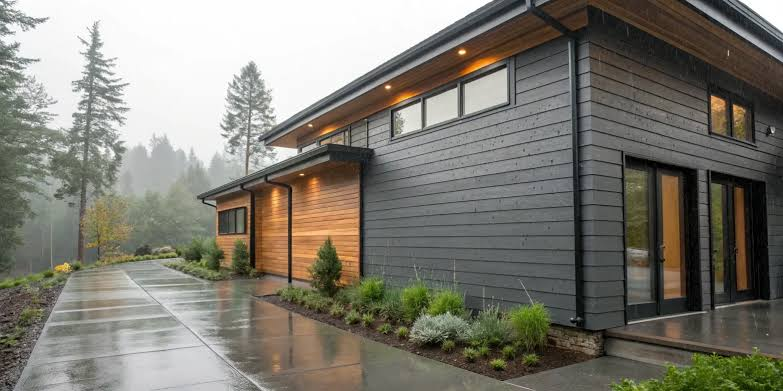
If you live in the Pacific Northwest, you already know that rain is not a seasonal event. It is a way of life. From October through June, homes around Puget Sound face months of drizzle, downpours, wind-driven storms, and damp, gray days that never quite dry out. All of that moisture puts your siding to the test every single day.
Siding is your home’s first line of defense against the elements. When it is the right material and properly installed, it sheds water, protects the wall structure behind it, and keeps your home looking sharp for decades. When it is the wrong choice, it can trap moisture, invite rot and mold, and lead to costly structural repairs.
This guide breaks down how to choose siding that can handle our climate, what materials perform best, and what to look for in an installer. If you are planning siding replacement in Tacoma, WA, these insights will help you make a decision that pays off for years to come.
What Pacific Northwest Weather Does to Siding
The challenge in our region is not just the amount of rain. It is the persistence. Tacoma sees roughly 150 or more days of measurable rain in a typical year, and long stretches of cloud cover mean surfaces stay wet far longer than they would in sunnier climates. That constant dampness creates a unique set of problems for exterior cladding.
Here is what your siding is up against:
- Prolonged saturation: Materials that absorb water can swell, warp, and break down when they rarely get a chance to dry
- Wind-driven rain: Storms off the Sound push water sideways into seams, joints, and gaps around windows and doors
- Moss, mildew, and algae: Shaded, north-facing walls are especially prone to organic growth that holds moisture against the surface
- Freeze and thaw cycles: Occasional cold snaps can expand trapped water and crack vulnerable materials
- Pests: Damp wood attracts carpenter ants, termites, and woodpeckers
When water gets behind siding and cannot escape, it soaks into sheathing and framing. That hidden damage often goes unnoticed until you see bubbling paint, soft spots, or mold indoors. Choosing the right siding is about preventing that scenario before it starts.
Key Qualities of Rain-Resistant Siding
Before comparing specific products, it helps to know what makes siding perform well in a wet climate. The best options share a few core traits:
- Low water absorption: The material should resist soaking up moisture rather than wicking it in
- Dimensional stability: It should not swell, shrink, or warp significantly as humidity changes
- Rot and mold resistance: Inorganic materials or properly treated wood products hold up far better against decay
- Durable finish: A factory-applied paint or coating that resists peeling and fading reduces maintenance
- Compatibility with a drainage system: Good siding works with a weather-resistant barrier and gaps that let trapped water drain and dry
- Strong warranty: Look for long manufacturer warranties that specifically cover moisture-related failures
Keep these qualities in mind as you weigh your options. A siding that looks beautiful in a showroom will not stay beautiful for long if it cannot handle nine months of rain.
Comparing the Best Siding Materials for Wet Climates
Each siding material has strengths and trade-offs. Here is how the most popular options stack up in Pacific Northwest conditions.
Fiber Cement
Fiber cement, made from a blend of cement, sand, and cellulose fibers, is widely considered one of the best choices for our region. Some products are even engineered specifically for wet, freezing climates.
- Highly resistant to rot, moisture, insects, and fire
- Holds paint well, especially with factory-applied finishes
- Mimics the look of wood lap, shingle, or board and batten
- Heavier and more labor-intensive to install, which raises upfront cost
- Cut edges must be sealed properly to prevent moisture absorption
Vinyl
Vinyl is an affordable, low-maintenance option that does not absorb water or rot.
- Lower upfront cost than most alternatives
- No painting required, and it cleans easily with a garden hose
- Can crack in cold snaps or warp from intense heat
- Its loose-hanging design allows some water behind panels, so the underlying barrier is critical
- Looks less premium than fiber cement or wood
Engineered Wood
Engineered wood is made from wood strands bonded with resins and treated with waxes and zinc borate to resist moisture and pests.
- Offers the warm look of real wood at a lower cost
- Lighter and easier to install than fiber cement
- Performs well when installed and sealed correctly
- Vulnerable if the coating is damaged and left unrepaired
Cedar
Western red cedar is a Northwest classic with natural oils that resist decay and insects.
- Beautiful, natural appearance that suits regional architecture
- Naturally more rot-resistant than most woods
- Requires regular staining or sealing every few years
- Higher maintenance and more susceptible to moss and mildew in shaded areas
Metal
Steel and aluminum siding are gaining popularity for modern designs.
- Impervious to rot, pests, and moisture absorption
- Very long lifespan with minimal maintenance
- Steel can rust if scratched and left unaddressed
- Can dent and may be noisier during heavy rain
Why Installation Matters as Much as Material
Even the most durable siding will fail if it is installed poorly. In a rainy climate, the system behind the siding is just as important as the siding itself. A skilled installer treats your exterior walls as a complete moisture management system.
Ask your contractor about these essentials:
- Weather-resistant barrier: A quality house wrap behind the siding blocks water while letting vapor escape
- Rainscreen gap: A small air space between siding and wall allows water to drain and the wall to dry, which is especially valuable in our climate
- Proper flashing: Windows, doors, and roof-to-wall intersections need correctly lapped flashing to direct water outward
- Correct clearances: Siding should sit above the ground and roof surfaces so it is not constantly wicking up moisture
- Sealed cut edges and penetrations: Every cut end, vent, and fixture is a potential entry point that needs attention
- Manufacturer-approved methods: Following the manufacturer’s installation specifications keeps your warranty valid
If a contractor cannot clearly explain how they manage water behind the siding, keep looking.
Maintenance Tips to Extend Siding Life
No siding is truly maintenance-free in the Northwest, but a little routine care goes a long way. Build these habits into your yearly schedule:
- Wash siding once or twice a year with a soft brush and mild cleaner to remove moss, algae, and grime
- Avoid high-pressure washing, which can force water behind panels
- Trim shrubs and trees so they do not rub against siding or block airflow
- Keep gutters and downspouts clear so overflow does not stream down your walls
- Inspect caulking around windows, doors, and trim each fall, and reseal any gaps
- Touch up chips or scratches in paint and coatings promptly
- Restain or reseal cedar on the schedule your manufacturer or contractor recommends
A quick walk around your home after major storms can also help you catch small problems before they turn into big ones.
Balancing Budget, Lifespan, and Value
It is tempting to choose the least expensive siding, but in a wet climate the cheapest option upfront is not always the most affordable over time. Think in terms of total cost of ownership rather than sticker price.
Consider these factors when comparing quotes:
- Expected lifespan: Fiber cement and metal often last 30 to 50 years or more, while vinyl and engineered wood typically last 20 to 40 years depending on quality and care
- Maintenance costs: Cedar’s periodic staining adds up, while vinyl and prefinished fiber cement need far less upkeep
- Energy efficiency: Some products can be paired with insulated backing that improves comfort and lowers heating bills
- Resale value: Quality siding boosts curb appeal, and siding replacement consistently ranks among the home projects with strong cost recovery at resale
- Warranty coverage: A longer, transferable warranty adds value and peace of mind
Ask for itemized estimates so you can see exactly what is included, from tear-off and disposal to house wrap, flashing, and trim.
Signs Your Current Siding Is Losing the Battle
Not sure whether you need new siding yet? Watch for these warning signs that moisture is winning:
- Warped, buckled, or swollen boards
- Soft or spongy spots when you press on the siding
- Cracks, holes, or missing pieces
- Persistent mold, mildew, or moss that returns quickly after cleaning
- Paint that peels or blisters within a year or two of repainting
- Interior signs like damp drywall, musty odors, or peeling wallpaper on exterior walls
- Rising energy bills that point to gaps in your home’s envelope
If you notice several of these issues, a professional inspection can determine whether repairs will do or whether full replacement is the smarter investment.
Frequently Asked Questions
What is the best siding for rainy climates?
Fiber cement is often the top choice because it resists rot, moisture, and pests while holding paint well. Vinyl, metal, and quality engineered wood are also strong options when installed correctly.
Is vinyl siding a good choice in the Pacific Northwest?
Yes, for homeowners seeking affordability and low maintenance. Its performance depends heavily on a quality weather-resistant barrier behind the panels.
Can I use real wood siding in a wet climate?
You can, especially rot-resistant species like cedar. Expect to restain or reseal every few years to keep it protected.
What is a rainscreen, and do I need one?
A rainscreen is a small gap between siding and the wall that lets water drain and air circulate. It is highly recommended in the Northwest because it helps walls dry out between storms.
When is the best time of year to replace siding?
Late spring through early fall offers the driest conditions. Experienced crews can work year-round, though, using proper precautions to keep the wall protected.
How long does siding replacement take?
Most homes take one to two weeks, depending on size, material, and weather. Repairs to hidden water damage can extend the timeline.
Can new siding be installed over old siding?
It is generally not recommended here. Removing old siding lets the contractor find and fix hidden moisture damage and install a proper barrier.
Planning Your Siding Replacement in Tacoma, WA
Choosing siding that can stand up to Pacific Northwest rain comes down to three things: the right material, the right installation, and the right ongoing care. Fiber cement, vinyl, engineered wood, cedar, and metal can all perform well when they are matched to your home, your budget, and your maintenance preferences, and when they are installed as part of a complete moisture management system.
As you plan your project, keep these priorities front and center:
- Choose a material with low water absorption and strong rot resistance
- Insist on a quality weather-resistant barrier, proper flashing, and ideally a rainscreen gap
- Compare total cost of ownership, not just upfront price
- Verify warranties and confirm your installer follows manufacturer specifications
- Plan for simple seasonal maintenance to protect your investment
The right contractor makes all the difference. When you are ready for siding replacement in Tacoma, WA, look for a licensed, insured local team with experience in our wet climate and a track record of quality work. Schedule an inspection and consultation, ask plenty of questions, and invest in an exterior that will keep your home dry, comfortable, and beautiful for decades of Northwest weather.