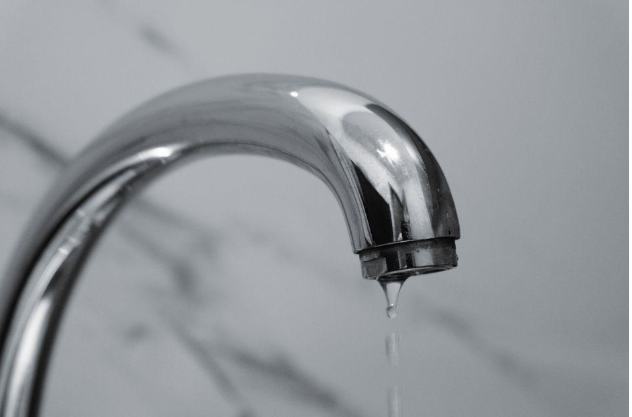
A house rarely breaks down all at once. It gives warnings first, and most of them are small enough to ignore on a busy day. A faint mark on a ceiling, a drain that empties slower than it used to, a bill that creeps upward without any change in the household routine.
None of it feels urgent in the moment. The quiet problems, though, are the ones that spread, and by the time they are impossible to miss, they have usually reached the parts of the home that cost the most to put right.
Why Small Faults Spread Before Anyone Notices
Most of what goes wrong inside a home begins out of sight, behind a wall, under a floor, or inside a cabinet nobody opens from one month to the next. Plumbing is the clearest example of this, because a slow leak can soak framing, swell flooring, and feed mold for weeks while the visible sign is nothing more than a shadow on a baseboard.
A proper repair deals with the fault at its source instead of patching the one symptom that happened to show itself. Once those warning signs appear, the sensible move is to hire a company that provides residential plumbing repair services, covering burst and leaking pipes, clogged drains, low water pressure, slab leaks, running toilets, and water heater faults. Acting at that point keeps the cost attached to the fault itself rather than to everything the water reached while it was left alone.
Marks, Stains and Soft Spots Around the Home
The surfaces of a house record trouble long before anyone understands what they are reading. A ring on a ceiling, paint that bubbles in one patch, wallpaper lifting at a seam, or a baseboard that feels spongy under pressure all point to moisture arriving from somewhere it should not be. Check the floor of the cabinet beneath every sink for dark patches or a swollen base. Look at the grout around a tub and the caulk at the edge of a shower pan for cracking or separation. A mark that reappears after being painted over is not a cosmetic issue. It is a sign that something behind the surface is still wet.
Changes in Water Pressure and Drainage
Pressure tells you where to look. If one faucet runs weakly while the rest of the house behaves normally, the fault is usually local to that fixture. If pressure drops everywhere at once, the cause sits further back in the system and deserves attention quickly. Drainage works the same way. A single slow sink suggests a blockage close by, while several drains emptying sluggishly on the same day points to a shared line. Gurgling, bubbling, or a drain that empties in stages instead of steadily all indicate that something is restricting the flow rather than simply slowing it.
What a Rising Water Bill Can Reveal
A bill that climbs while the household routine stays the same is one of the most reliable early warnings available, and it costs nothing to notice. Compare the current bill against the same month in previous years rather than against last month, since seasonal watering and guests distort short comparisons. If the rise cannot be explained, turn off every fixture and appliance that uses water and watch the meter. Movement with everything shut off means water is escaping somewhere in the system. Catching this in a single billing cycle is far cheaper than discovering it after a floor has lifted.
Sounds and Smells That Point to Hidden Trouble
Quiet houses are informative. A faint running or hissing sound when nothing is in use suggests water moving where it should be still. Knocking or banging after a tap closes means pipes are shifting against their supports. A toilet that refills by itself at intervals is losing water continuously. Smell matters just as much. A musty odor in a closet, a cabinet, or a corner of a basement usually arrives before any visible staining, and it rarely clears on its own. Damp, earthy air in a room that should be dry is worth investigating the same week you notice it.
How Hidden Damage Affects What Your Home Is Worth
Buyers do not price a house on how it looks on a weekend viewing. They price it on what an inspector finds. Moisture readings in a wall, stained subfloor, corroded connections, or evidence of past water intrusion all show up in a report, and each one invites either a reduced offer or a demand for work to be completed before closing. Remediation after the fact almost always exceeds the cost of fixing the original fault, because it includes replacing materials that were only damaged by the delay. Problems disclosed and resolved early are a footnote. Problems discovered by someone else during a sale become a negotiation.
A Simple Walkthrough Habit That Catches Problems Early
Set aside twenty minutes once a month and move through the house in the same order every time. Open the cabinet under each sink and run a hand along the back of the base. Check behind and around the toilet where the floor meets the bowl. Look at the area beneath the water heater for rust, damp, or mineral deposits. Walk the lowest level of the home and inspect the corners, since moisture collects there first. Run every tap briefly in rooms that are rarely used, because fixtures left idle hide faults until the day someone needs them. Consistency is what makes this work, as the point is to notice what has changed since last time.
Keeping Records of What You Fix
Write down what was found, when it was dealt with, and who carried out the work. Keep invoices and any photographs taken before the repair in one folder, digital or physical. This record serves two purposes. It lets you track whether a particular area of the house keeps producing the same issue, which often means the underlying cause was never addressed. It also gives you something concrete to hand to a buyer or an appraiser, turning a question mark into evidence of a house that has been looked after properly. A maintained home supports its asking price. A documented one defends it.