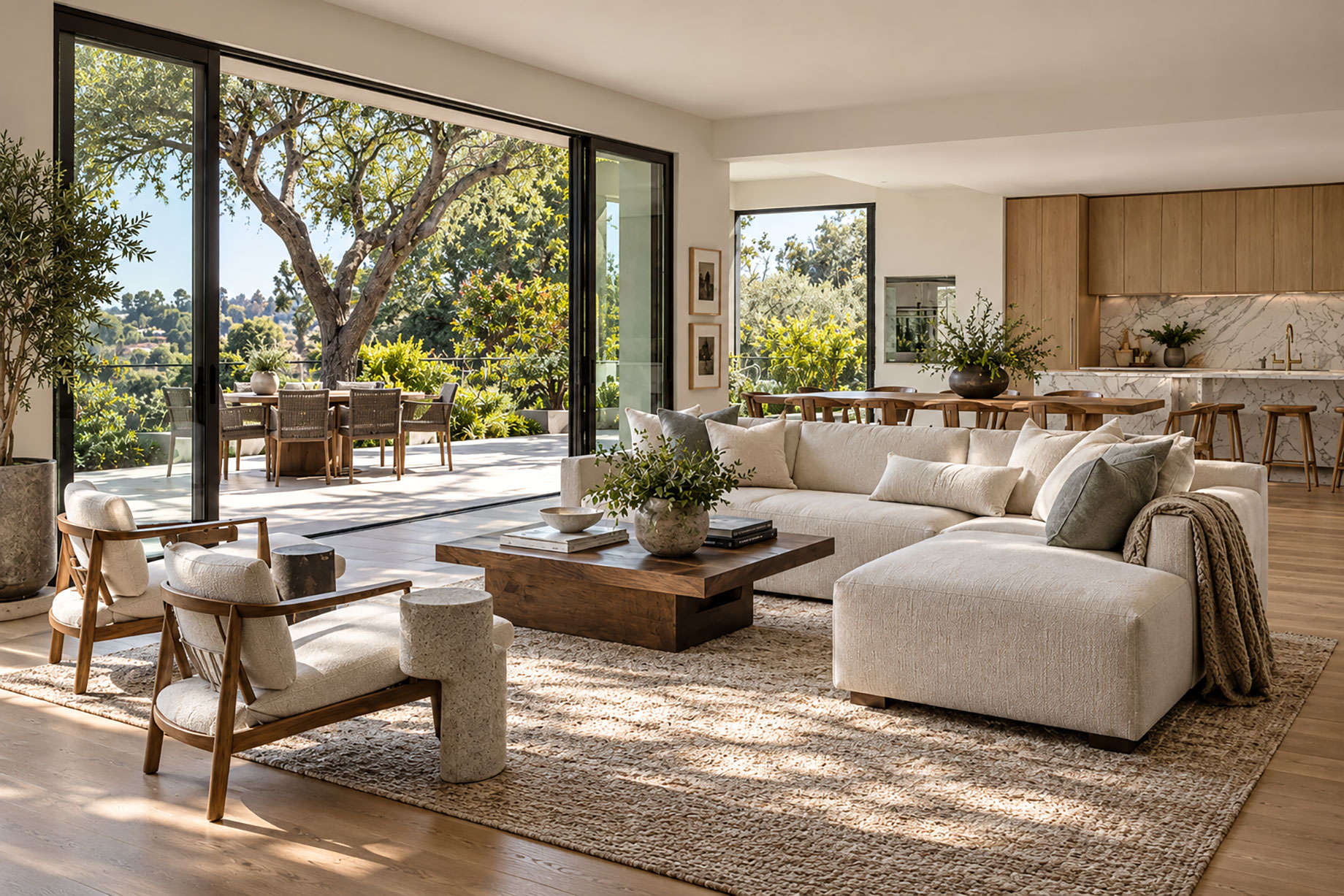
Luxury remodeling on the San Francisco Peninsula is increasingly less about making a home look new and more about making it work better without erasing the qualities that made it desirable in the first place. Established neighborhoods are filled with houses that have mature landscaping, distinctive elevations, valuable lots, and layouts shaped by an earlier era. For homeowners, the challenge is to introduce contemporary comfort while preserving a sense of architectural continuity.
That balance is especially important in communities where property values are high and buyers pay close attention to design, craftsmanship, and long-term usability. A successful renovation can improve daily life while strengthening the relationship between the house, its site, and the surrounding neighborhood.
Respecting the Existing Architecture
One of the clearest shifts in high-end residential remodeling is a move away from renovation for renovation’s sake. Instead of stripping a house of its identity, designers and builders are increasingly looking for the strongest elements of the existing structure and using them as the foundation for the new work.
That might mean retaining an original roofline while opening the interior, restoring exterior materials while upgrading the building envelope, or repeating existing proportions in a new addition. The goal is not necessarily to make old and new indistinguishable. It is to make them feel intentional together.
Better Layouts Without Oversized Spaces
Luxury is no longer defined only by square footage. In many Peninsula homes, a carefully planned 2,500-square-foot layout can feel more generous than a larger house with poor circulation. Homeowners are paying more attention to how rooms connect, where storage is located, and whether the floor plan supports both entertaining and everyday routines.
Kitchens are often central to this transformation. Walls may be selectively removed to create better sightlines, but thoughtful remodeling still gives adjoining spaces their own purpose. Islands can provide preparation space and informal seating, while concealed storage, integrated appliances, and carefully placed lighting keep the room visually calm.
Natural Light as a Design Material
Natural light has become one of the most valuable design tools in Peninsula remodeling. Larger openings, strategically placed windows, skylights, and glass doors can change how a home feels without adding substantial square footage. The best results come from considering orientation, privacy, views, and heat gain together rather than simply maximizing the amount of glass.
This approach is particularly effective in homes with attractive gardens or hillside settings. Framing a landscape view can give an interior a stronger sense of place, while a well-positioned window can brighten a circulation area that previously felt enclosed.
Indoor-Outdoor Living That Feels Integrated
The Peninsula climate makes indoor-outdoor living a natural priority, but the strongest projects go beyond installing large sliding doors. Floor elevations, exterior materials, shade, lighting, and furniture zones all affect whether the transition feels genuinely integrated.
A kitchen that opens to a terrace, for example, works best when the outdoor area functions as an extension of the interior rather than as a separate destination. Similar materials, aligned openings, and clear circulation paths can create continuity while still allowing each space to respond to its environment.
Material Choices With Longevity
High-end remodeling is also becoming more disciplined about materials. Homeowners may still invest in natural stone, custom cabinetry, premium fixtures, and architectural millwork, but the emphasis is increasingly on longevity rather than novelty. Materials that age gracefully often create a more convincing sense of luxury than finishes selected only because they are currently fashionable.
This is also where construction quality becomes visible over time. Precise transitions, consistent reveals, well-resolved corners, durable exterior details, and properly installed waterproofing may not dominate photographs, but they determine how a renovation performs years after completion.
Why Local Context Matters
In established communities such as Belmont, successful renovation depends on understanding both the individual property and the broader Peninsula housing context. Homeowners exploring home remodeling in Belmont often benefit from planning that considers the home’s existing architecture, site conditions, desired lifestyle, and long-term value as one coordinated design problem rather than a series of isolated upgrades.
Local context also influences practical decisions. Existing conditions, neighborhood character, lot configuration, permitting considerations, and the relationship between interior and exterior spaces can all shape the scope of a renovation. Treating those factors as part of the design process from the beginning generally produces a more coherent result than applying a generic remodeling formula.
Designing for Long-Term Value
For owners of high-value homes, remodeling decisions often have two audiences: the people living in the house today and a future buyer. Those priorities do not have to conflict. Flexible rooms, durable materials, comfortable kitchens and bathrooms, strong natural light, useful storage, and well-planned outdoor connections tend to remain desirable even as aesthetic preferences change.
The most resilient renovations avoid over-personalizing permanent architectural elements. Distinctive furniture, art, and decorative finishes can express individual taste, while the underlying architecture remains balanced and adaptable.
A More Considered Definition of Luxury
Across the San Francisco Peninsula, the definition of a luxury renovation is becoming more nuanced. Expensive finishes still have a place, but they are most effective when supported by strong planning, appropriate proportions, quality construction, and an understanding of the original home.
The result is not simply a newer house. It is a home that feels easier to live in, better connected to its surroundings, and more deliberate in the way every space is used. For established Peninsula neighborhoods, that thoughtful approach can preserve architectural character while giving homeowners the comfort and performance expected from a modern residence.
