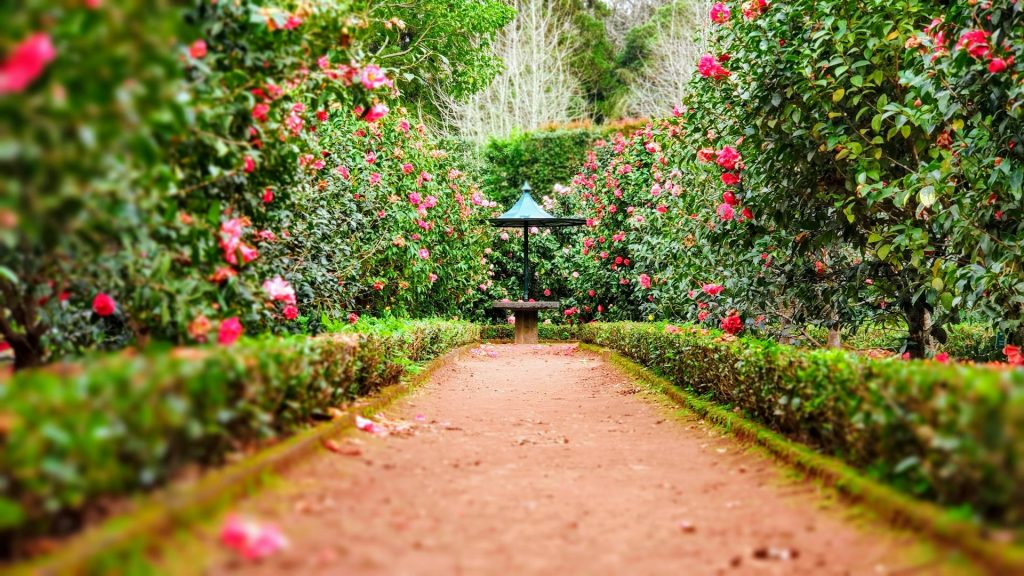
Luxury real estate is undergoing a quiet shift, away from show-home perfection built for resale, and toward homes designed to last a lifetime. Buyers who once treated a luxury estate as a stepping stone are now building for permanence, homes meant to be lived in, aged into, and passed down rather than flipped. That mindset shows up everywhere from architecture to grounds, where even the gardening ideas behind a mature landscape are chosen for how they’ll look in twenty years, not twenty months. Here’s what’s actually driving the forever home trend, and what it looks like in practice.
What Is a Forever Home?
A forever home is a property bought with the intent to live in it permanently, not to sell it within a few years for a profit. Instead of designing around resale value and short-term trends, owners plan around decades of actual use: architecture, materials, and even the landscaping are chosen for how they’ll hold up and mature over a lifetime, not how they’ll look at the first open house.
What’s Driving the Shift to Forever Homes
A few forces are pushing luxury buyers toward permanence rather than turnover.
- High transaction costs at the top of the market. Between agent fees, transfer taxes, and the sheer logistics of moving a household of this scale, buying and selling a luxury property is expensive enough that holding longer simply makes financial sense.
- Generational wealth planning. More buyers are thinking about a property as something that eventually passes to children or grandchildren, not just something they’ll own for a decade.
- Remote and hybrid work permanence. A primary residence now absorbs far more of daily life than it used to, which raises the bar for how well a home needs to function over the long haul.
- A cultural shift away from status-chasing. Buyers increasingly want a home that reflects how they actually live, not one built primarily to impress the next buyer.
This shift shows up in the data, too. The typical U.S. homeowner now stays in their home for about 11.9 years, nearly double the roughly 6.5-year average tenure from two decades ago, a clear sign that buyers across the market, not just at the luxury tier, are settling in for the long term rather than treating a home as a short-term asset.
Designing for Decades, Not Years
Timeless Architecture Over Trend-Chasing
Forever homes tend to lean on architectural styles that don’t date quickly, classic proportions, quality materials, and restrained detailing over whatever look is dominating design blogs this year. A home built around a passing trend often needs a costly refresh within a decade; one built around timeless proportions rarely does.
Materials Chosen to Age Well
There’s a growing preference for materials that improve with age rather than simply wear out, natural stone, solid wood, aged brass, and hand-finished plaster all develop character over time instead of looking dated. It’s a deliberate move away from finishes that look their best on installation day and only decline from there.
Spaces That Adapt as Life Changes
A true forever home has to work for a family at very different stages, young children, teenagers, an empty nest, aging in place, without a full renovation at every transition. That’s pushing architects toward flexible floor plans: a home office that can become a bedroom, a ground-floor suite that works for visiting parents today and single-level living decades from now.
The Grounds Are Built to Mature, Not Just Impress
Landscaping is one of the clearest tells of a forever-home mindset. A property designed for resale often prioritizes what photographs well immediately, mature-looking instant landscaping, dramatic but short-lived plantings.
A property designed to be held for decades takes the opposite approach: slower-growing trees that will define the property in twenty years, structural plantings chosen for how they’ll look at full maturity rather than in their first season, and grounds planned around decades of actual use rather than a single showing. A well-planned garden is part of that long-term vision, with plants, trees, and outdoor spaces that become more established and valuable to the property as they mature.
Sometimes-gardening.com is a website that brings together garden inspiration, easy-to-understand guides, and practical advice on the tools and accessories used to create and maintain a garden. Its practical advice helps homeowners make better choices about plants and garden features that shape a mature, long-lasting outdoor space.
Planning for Multiple Generations Under One Roof
Multi-generational living has moved from a niche consideration to a real design priority in luxury real estate. That’s showing up as private guest suites with their own entrances, separate living wings that offer real privacy rather than just an extra bedroom, and homes designed with aging in place in mind from the start, wider doorways, zero-step entries, and bathrooms built to be modified later without a full remodel. The underlying demand is real, too: a record 64 million Americans, roughly 20% of the population, now live in a multigenerational household, and builders are designing accordingly.
A Different Kind of Investment
The forever home represents a shift in what luxury buyers actually value. Instead of chasing the highest possible resale multiple, more buyers are optimizing for a property that genuinely fits their life for the next thirty years, one that improves with age instead of needing to be replaced or renovated on a fixed cycle.
That doesn’t mean resale value stops mattering, a genuinely well-built, thoughtfully designed home still tends to hold and grow in value. But it’s no longer the primary design brief. The properties leading this shift are being built the way heirlooms are made: with the expectation that someone will still be living in, and loving, this exact home decades from now.
Conclusion
The forever home isn’t a style or a single feature, it’s a mindset that runs through every decision, from the architecture down to the grounds. As more luxury buyers plan for decades rather than a resale date, timeless design, adaptable spaces, and grounds built to mature are becoming the real markers of long-term value.
Sources
- Redfin, The Typical U.S. Homeowner Stays Put For 11.8 Years. In Parts of California, It’s Closer to 20 Years, https://www.redfin.com/news/homeowner-tenure-california-longest/ (2025)
- Pew Research Center, A Record 64 Million Americans Live in Multigenerational Households, https://www.pewresearch.org/short-reads/2018/04/05/a-record-64-million-americans-live-in-multigenerational-households/