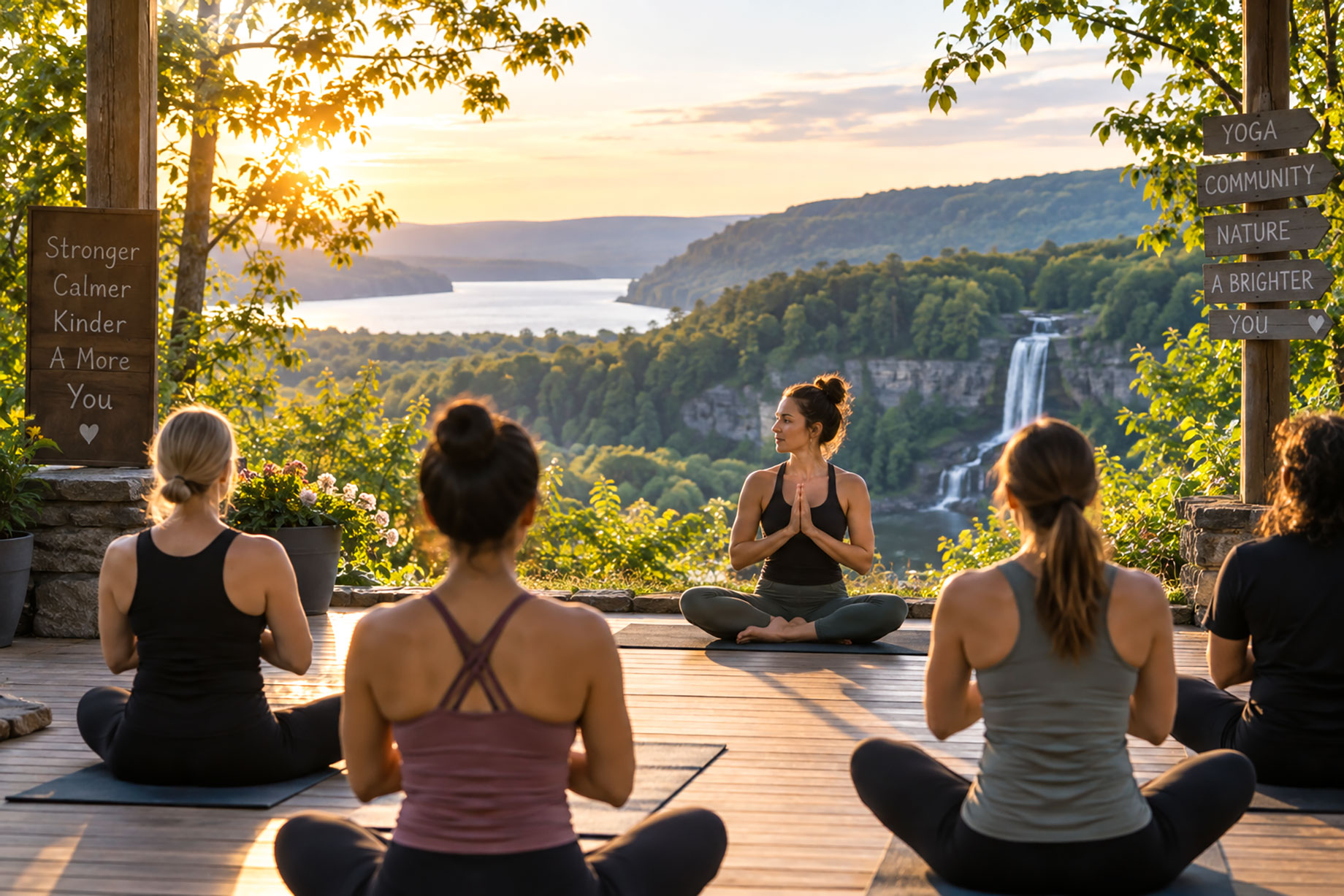
Nestled in the Finger Lakes region of New York, Ithaca has become a quietly popular destination for people seeking a deeper connection to their yoga practice. If you’re considering yoga teacher training in Ithaca, the city’s natural beauty, close-knit wellness community, and slower pace of life make it an appealing place to study.
Why Ithaca Stands Out
Ithaca is known for its waterfalls, gorges, and abundance of green space, offering a peaceful backdrop for the kind of introspective work that teacher training demands. Many students find that stepping away from a busy city environment allows them to focus more fully on the physical, mental, and philosophical dimensions of yoga. The town’s strong presence of small, independent studios also means that yoga teacher training in Ithaca often comes with a more personal, community-driven feel compared to larger commercial programs.
What to Expect From a Training Program
Most programs offering yoga teacher training in Ithaca follow the 200-hour format set by Yoga Alliance standards, though some studios offer advanced 300-hour trainings for those who already hold a foundational certification. A typical curriculum includes:
- Asana practice and alignment, covering how to safely teach and adjust physical postures
- Anatomy and physiology, focused on how the body moves and where injuries commonly occur
- Yoga philosophy and history, including foundational texts and ethical principles
- Teaching methodology, such as sequencing classes, using your voice effectively, and building confidence as an instructor
- Practicum hours, where trainees practice teaching real classes under supervision
Programs vary in length, with some condensed into an immersive few weeks and others spread out over several months on weekends, so it’s worth considering which format fits your schedule and learning style.
Choosing the Right Program
Not all training programs are the same, so it helps to ask a few questions before enrolling in yoga teacher training in Ithaca:
- Is the program registered with Yoga Alliance, and does it meet the hours required for certification?
- What is the teaching style or lineage, and does it align with your own practice (such as Vinyasa, Hatha, or Ashtanga)?
- How much individual feedback and mentorship do students receive?
- Are practicum and student-teaching opportunities built into the program?
Talking to past graduates or sitting in on a class at the studio beforehand can also give a clearer sense of whether the environment feels like the right fit.
Who Should Consider Teacher Training
You don’t need to plan on teaching professionally to benefit from a training program. Many people pursue yoga teacher training in Ithaca simply to deepen their personal practice, gain a stronger understanding of anatomy and philosophy, or work through a period of personal growth. Others go on to teach at studios, gyms, or through private sessions, while some use the certification to complement other wellness careers.
Final Thoughts
Whether you’re drawn by Ithaca’s natural surroundings or its close community of practitioners, completing yoga teacher training here can be a meaningful step, whether your goal is certification or personal transformation. Researching a few local studios and comparing their curriculums is a good place to start before committing to a program.
