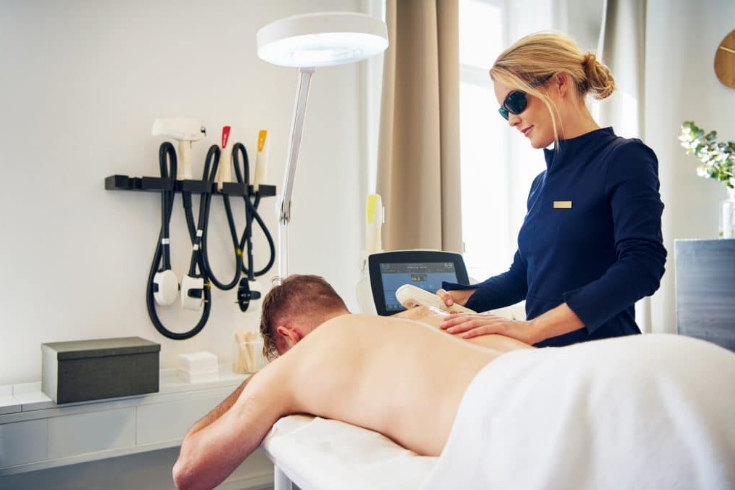
Laser hair removal has become a practical grooming option for men who want less hair on the back, chest, shoulders, neck, or other areas. Goals can range from reducing dense growth to creating cleaner edges around a beard or neckline. Because those goals differ, the treatment plan should be customized rather than based on a one-size-fits-all package.
Anyone comparing the laser treatment for hair removal cost should begin by identifying whether they want thinning, shaping, or maximum reduction. A smaller shaping area may require less time than a large torso or back treatment, while dense growth can increase the amount of careful coverage needed. These factors help explain differences in quotes.
Choose Areas Based on the Desired Result
The back and shoulders are common treatment areas because they can be difficult to shave without help. The chest and abdomen may be treated for reduction rather than complete removal, depending on personal preference. Neck and beard-line treatments are smaller but require precise boundaries.
A consultation should include a clear discussion of which hair should remain. Photographs, markings, or written notes can help preserve a natural shape from one session to the next. This is especially important around facial hair and the hairline.
Understand Hair Density and Session Length
Men’s body hair can be coarse and dense, particularly on the back, chest, and shoulders. A large, dense area may take significantly longer than a small region with sparse growth. Clinics may therefore price by area, appointment time, or package level.
Hair density may also vary within the same area. The upper back can differ from the lower back, and the centre of the chest may respond differently from the sides. Progress should be assessed by region rather than judged only by an overall impression.
Planning for Comfort and Privacy
With men laser hair removal, clients should know how they will be positioned, what clothing needs to be removed, and what draping is available. Large areas can require changing positions several times, so clear instructions make the process smoother. Clients should feel comfortable requesting a pause when needed.
Sensation may be stronger in areas with dense hair or limited soft tissue. Cooling methods and carefully selected settings can help manage comfort. The practitioner should explain normal sensations and provide a way to report unexpected pain.
Preparation for Larger Body Areas
Waxing and plucking are generally avoided before treatment because they remove the target from the follicle. Shaving is often recommended, but reaching the back or shoulders can be difficult. Clients should ask the clinic how to prepare safely rather than risking cuts or irritation.
The skin should be free from tanning products, oils, and fragranced lotions at the appointment. Recent sun exposure, medications, and active skin conditions should be disclosed during the consultation. These details can affect timing and device settings.
Set Realistic Expectations
Laser treatment is designed for hair reduction, and results vary by hair colour, thickness, skin tone, treatment area, and biological factors. Multiple sessions are normally required because hair grows in cycles. Some areas may also need maintenance over time.
A provider should explain that body hair patterns can change with age or hormones. Clients seeking a lightly groomed appearance may stop treatment earlier than those seeking greater reduction. Progress reviews help keep the plan aligned with the original goal.
Evaluate the Complete Cost
Pricing for men’s grooming areas can vary widely because the surface area and appointment time differ. Clients should confirm whether a quote covers the full back, shoulders, neck, or torso, and whether each area is charged separately. Package terms, expiry dates, and maintenance fees should also be documented.
Travel time and appointment availability matter when several sessions are required. A package is only useful when the client can attend consistently. Comparing convenience, safety standards, communication, and follow-up support provides a more complete picture of value.
Questions Men Can Ask at the Consultation
Men can ask whether a large treatment area will be divided across appointments and how long each visit is expected to take. They should also confirm whether the clinic can preserve specific beard, chest, or hairline boundaries and how those preferences will be documented. These questions are particularly important when the goal is shaping rather than maximum reduction.
The provider should explain how dense hair affects comfort, session length, and package recommendations. Clients can also ask whether a test spot is appropriate and what aftercare is suggested for areas that rub against clothing or gym equipment. Practical guidance makes it easier to plan work, exercise, and travel around appointments.
Finally, clients should ask how progress will be assessed if one region responds faster than another. A flexible plan may change the timing or focus of future visits. This prevents unnecessary treatment and keeps the programme aligned with the desired appearance.
Conclusion
Laser hair removal can support a range of men’s grooming goals, from cleaner lines to broad reduction across large body areas. The best plan defines what should be treated, what should remain, and how progress will be assessed. Preparation and realistic expectations are essential.
A detailed consultation also makes pricing easier to understand. When treatment boundaries, appointment length, session count, and maintenance terms are clear, clients can choose an option that fits both their grooming preferences and budget.