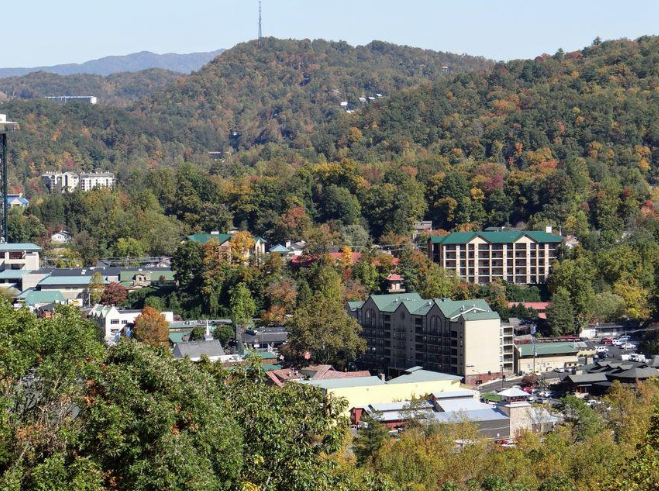
A first visit to the Great Smoky Mountains has a way of rearranging what people expect from a vacation. The pace is slower, the scenery changes by the hour, and the days fill up faster than anyone plans for.
Families arrive in Gatlinburg with a loose idea of hiking and a few meals out, then discover there is far more waiting inside the national park than a single weekend can hold. A little planning goes a long way here, and knowing what to sort out first makes the difference between a rushed trip and a relaxed one.
Sorting Out Where You Will Spend Your Nights
The first thing most travelers underestimate is how much time gets lost driving back and forth between the mountains and their room at the end of each day. Long transfers eat into daylight, wear out children, and turn an early trail start into a late one. Booking a Gatlinburg hotel near the National Park like The Appy Lodge keeps you within reach of the trailheads and the Parkway without a long drive in either direction. Guests also receive a free downtown parking pass on request, which removes one of the more frustrating parts of any day spent in town.
Choosing the Right Time of Year
Each season in the mountains offers something different, and the season you pick shapes almost everything else about the trip. Spring brings wildflowers across the lower elevations and steady water in the creeks, though rain is common and trails stay muddy well into April. Summer is warm and green, with long daylight hours that suit families who want to be out from breakfast until dinner. It is also the busiest stretch of the year, so early starts matter more than usual.
Autumn draws the largest crowds of all, and for good reason. Color moves down the mountainsides over several weeks, beginning at the highest elevations in late September and reaching the valleys by late October. Winter is the quietest option. Bare trees open up long views that summer foliage hides completely, and the roads are far emptier, though higher routes may close after snow. Checking conditions before you set out is worth the two minutes it takes.
Picking Trails That Match Your Group
There is no shortage of hiking here, and the range is wide enough that almost anyone can find something comfortable. First-time visitors often make the mistake of choosing a route by its name or its photographs rather than its numbers. Pay attention to elevation gain more than distance. A three-mile walk that climbs steadily will tire a group far more than a flat five-mile stroll along a river.
Families with young children do well on short, well-maintained paths near the main road corridors. Anyone hoping for a summit view should plan for a half day at minimum and start early enough to be back down before the afternoon storms that roll through in warmer months. Sturdy shoes matter more than expensive gear. Roots, wet rock, and loose gravel account for most of the twisted ankles in the park every year.
Watching for Wildlife the Safe Way
Few things stay with visitors longer than the first bear sighting, and the odds of one are higher than most people expect. Black bears live throughout the mountains, along with deer, wild turkeys, salamanders in remarkable variety, and elk in the quieter valleys. Early morning and the hour before dusk are the most reliable times to see any of them.
The rules exist for good reason. Keep well back, never leave food unattended at a picnic area, and store anything scented in the car rather than a backpack left on the ground. Feeding wildlife, even by accident, changes animal behavior permanently and rarely ends well for the animal. Binoculars solve the distance problem far better than creeping closer ever will.
Driving the Scenic Routes
Not every memorable part of the mountains requires a hike. Some of the best scenery comes through a windshield, and the driving routes are worth building a day around. Winding roads climb through several forest types in the space of a few miles, and pullouts appear regularly wherever the views open up. Take them. The overlooks are the whole point of these roads.
Traffic moves slowly on the popular loops, especially on weekends and through October. Build in more time than the map suggests and treat the drive itself as the activity rather than the transfer between two other things. Fill the tank before you head up, since there are no services once you leave the main corridors. Cell coverage disappears in most of the deeper valleys, so downloading maps in advance saves a great deal of guesswork.
Packing for Mountain Weather
Conditions in the high country rarely match what the forecast says down in the valleys. Temperatures can drop noticeably over a few thousand feet of elevation, and clouds settle over the ridges with very little warning. Layers solve this better than any single piece of clothing. A light rain shell takes up almost no room and earns its place on most days.
Water is the other thing people consistently underpack. Streams look clean and are not safe to drink untreated, so carry more than you think you need. A small first aid kit, sunscreen, and insect repellent round out the essentials. Anything beyond that is usually extra weight you will regret by mile two.
Building a Realistic Daily Plan
The most common first-trip mistake is trying to fit too much into too few days. Distances look short on a map and take much longer in practice, particularly when parking areas fill by mid-morning and require circling or waiting. Two solid activities per day is a reasonable target for most groups, three if everyone is an early riser.
Leave room for the unplanned stops, because those tend to be the ones people talk about afterward. A quiet creek, an unexpected clearing, a roadside overlook with nobody else on it. Rigid schedules do not suit these mountains. The visitors who enjoy themselves most are usually the ones who arrive with a rough outline and let the days fill themselves in.