Your roof protects your home from rain, wind, and harsh sun every single day. Small issues can quickly turn into major repairs if you ignore them. Catching early warning signs keeps your house dry and saves you plenty of money.
Take time every season to check your shelter for subtle changes. Continue reading to discover everything you need to know!
Inspect Your Roof From The Ground
You do not need to climb a ladder to find early signs of trouble. Stand across the street with a pair of binoculars on a bright day. Scan the outer surface for sagging spots or odd curves along the top line.
Look closely at edges and ridges where materials meet. A sagging line means weight problems or rotting wood underneath. Spotting these signs early prevents major structural trouble down the road.
Check For Missing Or Broken Shingles
Strong storms can tear away materials or lift edges off the surface. You can visit Century Roofing or other reputable contractor sites to learn more about tile care. Taking action right away stops water from soaking into your wooden frame.
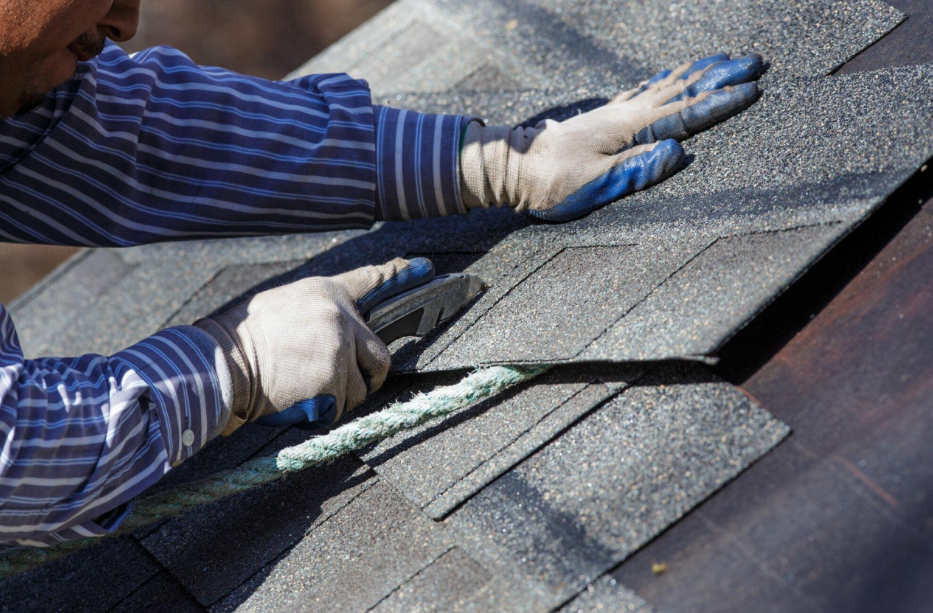
Look for cracked, curled, or misplaced pieces after heavy winds. Even a single exposed spot can let rain inside your house. Replacing 1 tile now stops big structural damage later on.
Look Inside Your Attic For Leaks
Water often sneaks inside long before a ceiling drip hits your living room floor. Grab a flashlight and head up to your attic after heavy rainfall. Search top boards for dark spots, damp insulation, or strange odors.
Check areas around vents and chimneys where moisture often leaks through. Shine your light on wooden beams to spot wet patches or mold growth. Early detection in the attic keeps your indoor air clean and dry.
Watch For Granules In Your Gutters
As asphalt materials age, tiny stones wear off and wash down your drainage pipes. Finding a few granules is normal, but heavy piles signal quick wear. Watch for these simple signs during your routine cleanouts:
- Heavy sand in drainage
- Dark spots on tiles
- Bare patches on shingles
- Clogged water flow systems
- Shiny exposed base layers
Clean out leaves and dirt regularly so rain flows freely away from your foundation. Standing water near your roof line creates rotted wood over months.
Examine Flashing Around Chimneys And Vents
Metal sheets seal the gaps around chimneys, skylights, and vent pipes. High winds and aging glue can cause these metal strips to pull away. Inspect these metal seals once every 6 months for rust or cracks.
Damaged metal seals let rain seep right behind your protective surface. Re-caulking or securing loose metal stops leaks before they start. Keeping these seals tight maintains a dry barrier against stormwater.
Notice Unexpected Energy Bill Spikes
A damaged upper barrier lets outdoor heat or cold air seep into your house. Your heating and cooling systems work extra hours to maintain stable indoor temperatures. High monthly utility costs often point to hidden gaps or worn insulation up top.
Fixing small roof gaps helps seal your home from extreme weather outdoors. Consistent indoor temperatures lower your monthly energy expenses.
Keep Your Home Safe And Dry
Routine checks help you catch minor fixes before they turn into costly hazards. Make a habit of checking your property after big storms pass through your area. Repairing small gaps keeps your home strong for 20 years or more.
Looking for more tips and ideas? We’ve got you covered. Check out some of our other posts now.