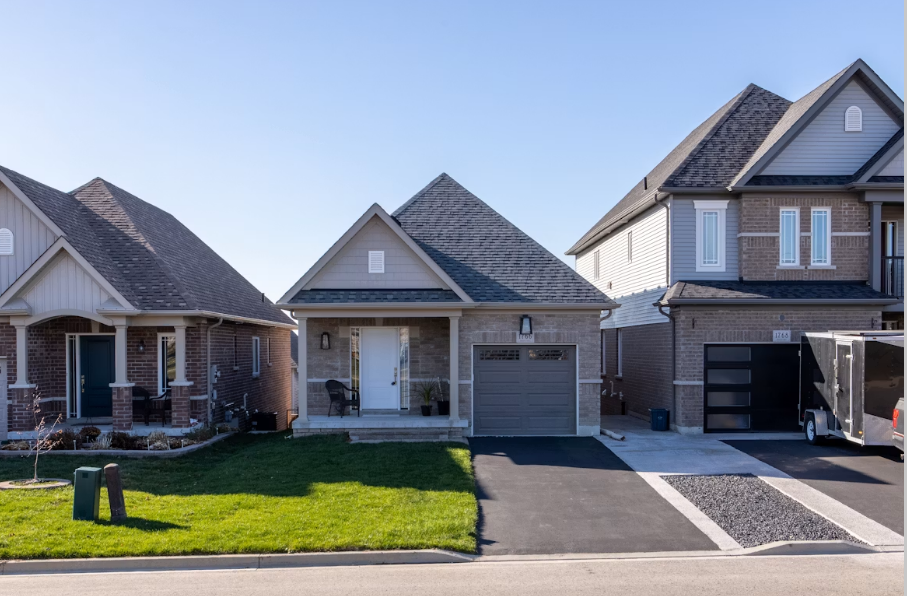
https://unsplash.com/photos/gray-and-white-concrete-house-2keCPb73aQY
Luxury real estate has traditionally been associated with prestigious city addresses, penthouses, and homes located close to major business and cultural districts, but the priorities of many affluent buyers are changing. Buyers exploring alternatives to conventional urban living can look to WindRiver for information about a luxury residential community in East Tennessee that combines homes and homesites with access to outdoor recreation, community amenities, and a setting along Tellico Lake. As flexibility, privacy, space, and lifestyle become more influential in purchasing decisions, luxury buyers are increasingly considering communities beyond traditional city centers.
Space Has Become a Luxury of Its Own
Large cities provide convenient access to entertainment, restaurants, business districts, and cultural attractions, but that convenience often comes with limitations on personal space. Even expensive urban properties may offer relatively little outdoor space, close proximity to neighboring buildings, and fewer opportunities to create a sense of separation from busy surroundings. Buyers who place a high value on privacy may therefore find larger properties outside major metropolitan areas increasingly appealing.
Additional space also gives homeowners greater freedom to shape a property around their everyday lives. A larger home can accommodate private offices, guest rooms, fitness areas, entertainment spaces, and other features that might be difficult to include in a city residence. Generous outdoor areas can further provide room for gardens, patios, pools, and gathering spaces that effectively extend the usable living environment.
Remote Work Has Changed the Importance of Location
For many professionals, living close to a corporate office is no longer as essential as it once was. Remote and hybrid working arrangements have made it possible for some buyers to consider properties based on lifestyle preferences rather than daily commuting requirements. This flexibility can significantly expand the geographic area considered during a luxury home search.
A home must also serve more purposes when work regularly takes place there. Buyers may prioritize dedicated offices, quiet surroundings, dependable connectivity, comfortable meeting spaces, and rooms that allow professional activities to remain separate from family life. Properties outside dense urban areas can offer the space needed to accommodate these requirements without sacrificing the comfort expected from a luxury residence.
Buyers Are Prioritizing Everyday Quality of Life
Luxury is increasingly defined by experiences rather than simply by an impressive address or expensive finishes. Buyers may consider how easily they can spend time outdoors, pursue hobbies, exercise, entertain friends, or relax without having to travel far from home. This has increased interest in residential communities where amenities and recreational opportunities are incorporated into the broader living environment.
Natural surroundings can play an equally important role in this shift. Access to lakes, walking areas, golf, open landscapes, and other outdoor environments can provide experiences that are difficult to replicate in a densely developed city center. For buyers who expect to spend considerable time at home, the character of the surrounding area may matter almost as much as the design of the property itself.
Community Amenities Add Another Dimension to Luxury
Moving away from a traditional city environment does not necessarily mean giving up convenient access to recreation or social opportunities. Many planned luxury communities provide amenities that allow residents to enjoy activities close to home while still maintaining the privacy of an individual residence. Golf courses, marinas, club facilities, fitness opportunities, dining, and outdoor recreation can all contribute to a more complete residential experience.
This approach can be particularly attractive to buyers who want leisure activities to fit naturally into their normal routines. Instead of repeatedly traveling across a city to reach recreational facilities, residents may have useful amenities within or near their community. The result is a lifestyle where convenience comes from thoughtful community planning rather than proximity to a crowded commercial center.
Privacy and Connection Can Exist Together
One misconception about leaving city living behind is that greater privacy must result in isolation. Well-designed residential communities can create a balance by giving homeowners their own space while also providing shared places where neighbors can meet and participate in activities. Buyers can therefore choose when they want privacy and when they want to become involved in community life.
This balance may be especially important for people relocating from urban neighborhoods where interaction happens frequently but is not always intentional. Community events, recreational facilities, clubs, and shared interests can create opportunities for more purposeful social connections. At the same time, residents can return to homes that offer greater separation and tranquility than many urban properties can provide.
Long-Term Lifestyle Planning Is Influencing Purchases
Luxury buyers are often considering how well a property will serve them over many years rather than focusing only on immediate needs. A home that works during a demanding career may later need to accommodate retirement, visiting family members, new hobbies, or extended periods spent at home. Flexible layouts and access to varied amenities can make properties outside traditional city centers particularly attractive from this perspective.
Location also becomes part of long-term planning. Buyers may evaluate access to regional services, airports, shopping, healthcare, entertainment, and nearby towns while still seeking a quieter residential environment. The goal is often not to abandon convenience entirely, but to find a better balance between accessibility and the benefits of living beyond a dense urban core.
Luxury Is Becoming More Personal
There is no single definition of luxury that applies to every homebuyer. For some people, a central city address remains the ideal choice, while others place greater value on waterfront surroundings, golf, outdoor recreation, privacy, larger homes, or a strong sense of community. Modern buyers have more freedom to decide which combination of these qualities best reflects the way they actually want to live.
This changing definition is encouraging buyers to compare properties on more than architectural style, square footage, and price. The surrounding environment, available amenities, recreational opportunities, and overall pace of life can all influence whether a property feels genuinely luxurious. As these considerations become more important, residential communities outside major cities are becoming serious alternatives rather than secondary options.
Conclusion
The movement beyond traditional city living reflects a broader change in what luxury homebuyers expect from their homes and communities. Space, privacy, flexible working arrangements, outdoor recreation, useful amenities, and opportunities for meaningful community involvement are giving buyers new reasons to explore locations outside dense metropolitan centers. For many, the most desirable luxury property is no longer simply the one with the most prestigious urban address, but the one that provides the strongest foundation for the lifestyle they want to enjoy every day.