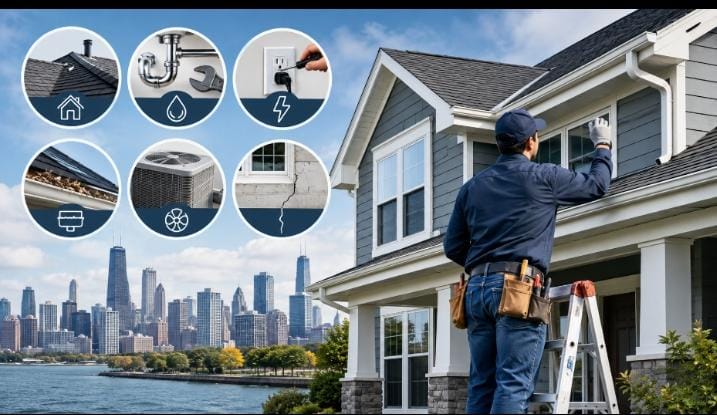
Owning a home in Chicago means preparing for changing weather, aging building materials, and the wear that comes with everyday use. From freezing winter temperatures to humid summer conditions, local homes experience stresses that can turn small maintenance concerns into expensive damage. Scheduling professional home repair services in Chicago can help homeowners correct problems before they affect structural stability, energy efficiency, comfort, or safety. Even an issue that appears cosmetic may point to moisture intrusion, electrical trouble, plumbing damage, or another hidden concern. Paying attention to early warning signs can help protect your property and reduce the likelihood of disruptive emergency repairs.
Why Chicago Homes Require Consistent Maintenance
Chicago’s seasonal temperature swings can be particularly demanding on roofing, foundations, plumbing, siding, and heating systems. Materials expand during warm weather and contract when temperatures fall, which may cause cracks, gaps, loose connections, and weakened seals. Snow, ice, wind, and heavy rain can also expose vulnerable areas around windows, doors, gutters, and exterior walls. Older Chicago homes may have aging electrical systems, outdated plumbing components, or materials that require specialized care. Routine inspections and timely repairs allow homeowners to address these concerns while they are still manageable.
1. Roof Leaks and Missing Shingles
A roof leak should never be treated as a minor inconvenience, even when only a small stain is visible on the ceiling. Water may travel along rafters, insulation, and framing before appearing inside a room, which means the source could be larger than it seems. Missing shingles, damaged flashing, clogged roof drains, and worn seals around vents can all allow moisture to enter the home. If left unresolved, a roof leak can contribute to mold growth, damaged insulation, rotting wood, and weakened ceilings. Homeowners should arrange an inspection after major storms or whenever they notice stains, peeling paint, musty odors, or dripping water.
2. Cracks in the Foundation
Small surface cracks are common in many homes, but widening or recurring cracks may indicate foundation movement. Chicago’s freeze and thaw cycles can cause soil to expand and contract, placing pressure on foundation walls and concrete slabs. Warning signs may include uneven floors, doors that no longer close properly, cracks above windows, or gaps between walls and ceilings. Water entering through foundation cracks can also create damp basement conditions and damage stored belongings. A qualified professional can determine whether the crack requires sealing, drainage improvements, structural reinforcement, or additional evaluation.
3. Plumbing Leaks
A slow plumbing leak can waste water and create extensive damage behind walls, beneath floors, or inside cabinets. Common warning signs include water stains, warped flooring, peeling paint, reduced water pressure, and unexplained increases in utility bills. During Chicago winters, pipes in poorly insulated areas may freeze and burst when temperatures fall. Even a minor leak may encourage mold growth or weaken drywall and wooden framing over time. Prompt plumbing repairs can protect the surrounding materials and prevent a manageable issue from becoming a major restoration project.
Homeowners should watch for leaks near:
- Toilets and bathroom fixtures
- Kitchen and bathroom sinks
- Water heaters
- Washing machine connections
- Basement pipes
- Outdoor faucets
4. Electrical Problems
Flickering lights, frequently tripped breakers, warm outlets, and buzzing switches may indicate electrical trouble. These symptoms can result from loose connections, overloaded circuits, outdated wiring, or damaged electrical components. Older Chicago properties may not have electrical systems designed to support today’s appliances, computers, entertainment systems, and charging devices. Ignoring warning signs could increase the risk of equipment damage, electric shock, or fire. Electrical repairs should always be completed by a licensed professional rather than attempted as a do-it-yourself project.
5. Damaged or Clogged Gutters
Gutters guide rainwater and melting snow away from the roof, siding, and foundation. When they become clogged with leaves, dirt, ice, or other debris, water can spill over the sides and collect near the house. Loose or damaged gutters may also direct water behind exterior materials, where moisture can cause rot and staining. During winter, clogged gutters may contribute to ice dams that prevent melting snow from draining correctly. Cleaning, securing, and repairing gutters can help protect several parts of the home at once.
6. Drafty Windows and Doors
Drafts around windows and exterior doors can make rooms uncomfortable and increase heating or cooling demands. Worn weatherstripping, cracked caulk, damaged frames, and poor installation may allow outdoor air and moisture to enter. In winter, cold air leaks can force a furnace to operate longer, while summer humidity can place additional pressure on air conditioning equipment. Moisture around a window may also damage trim, drywall, or flooring if the underlying gap is not repaired. Replacing seals or correcting frame damage can improve comfort, energy efficiency, and indoor temperature consistency.
7. Peeling Paint and Damaged Siding
Peeling exterior paint is more than a cosmetic concern because paint helps shield wood and other materials from moisture. Once the protective coating fails, rain, snow, and humidity can reach the surface underneath. Damaged siding may also allow water, insects, and cold air to enter gaps around the exterior of the home. Homeowners should look for bubbling paint, soft wood, loose siding panels, cracks, fading, or visible moisture stains. Addressing these signs early may prevent the need to replace larger sections of exterior material.
8. Basement Moisture
A damp basement may indicate foundation leaks, poor grading, damaged gutters, plumbing problems, or inadequate drainage. Common signs include musty odors, white residue on masonry, standing water, condensation, or dark spots on walls and floors. Moisture can damage furniture, stored items, flooring, insulation, and finished basement materials. Persistent dampness may also create an environment where mold and mildew can develop. Repairs may involve sealing cracks, improving ventilation, extending downspouts, correcting grading, or installing a dependable sump pump system.
9. Furnace and HVAC Issues
A dependable heating system is essential during Chicago’s coldest months, so unusual furnace behavior should be addressed promptly. Warning signs include uneven heating, strange odors, loud noises, frequent cycling, weak airflow, or an unexpected increase in energy use. A system that still produces warm air may nevertheless have a worn belt, dirty component, failing motor, or damaged electrical connection. Delaying service can place additional strain on the equipment and increase the chance of a breakdown during extreme weather. Regular maintenance and timely repairs can support more reliable performance and help extend the system’s usable life.
10. Loose Railings, Stairs, and Flooring
Loose handrails, damaged steps, and uneven flooring can create serious fall hazards for residents and visitors. Exterior stairs may deteriorate because of ice, snow, moisture, and repeated freezing and thawing. Inside the home, soft flooring may indicate water damage, weakened subflooring, or structural movement. Squeaking alone is not always an emergency, but sudden changes in the floor should be investigated. Repairing unstable walking surfaces can improve safety and prevent the damaged area from becoming more difficult or expensive to correct.
Signs That a Home Repair Needs Immediate Attention
Some repairs can be scheduled after an evaluation, while others require prompt professional assistance. A homeowner should act quickly when an issue involves active water entry, electrical burning odors, structural movement, gas smells, sewage backups, or loss of heat during freezing weather. Problems that affect safety or continue to worsen should not be postponed for convenience. Quick action may limit damage and protect everyone inside the property. When in doubt, contacting a qualified repair professional is safer than waiting for the condition to become obvious.
Urgent warning signs include:
- Sparking outlets or burning odors
- Active roof or plumbing leaks
- Sagging ceilings
- Sudden foundation changes
- Sewage odors or backups
- No heat in freezing temperatures
- Unstable stairs or railings
- Standing water near electrical equipment
Frequently Asked Questions
What home repairs should be handled first?
Repairs involving safety, active leaks, electrical hazards, structural damage, or loss of essential utilities should receive priority. Cosmetic improvements can generally wait until urgent problems have been resolved.
How often should I inspect my Chicago home?
Homeowners should perform a general inspection at least twice a year, preferably in spring and fall. Additional checks may be necessary after severe storms, heavy snowfall, flooding, or extreme temperature changes.
Can small foundation cracks be repaired with sealant?
Some nonstructural cracks may be sealed, but homeowners should not assume every crack is harmless. A professional should evaluate widening, horizontal, recurring, or leaking cracks before repairs are completed.
Why do my pipes keep freezing?
Pipes often freeze because they are located in unheated spaces, exposed to drafts, or insufficiently insulated. Sealing air leaks and insulating vulnerable plumbing can help reduce the risk.
Is a small roof leak really an emergency?
A small leak may not require emergency service in every situation, but it should be inspected quickly. Water can spread into insulation and framing even when the visible damage appears limited.
Should I repair or replace drafty windows?
Minor drafts may be corrected with new caulk, weatherstripping, or hardware. Windows with rotting frames, failed seals, broken glass, or extensive damage may need replacement.
Are home repairs more difficult during winter?
Some exterior projects can be challenging during freezing temperatures, but urgent repairs should not be delayed. Professionals may use temporary measures until permanent work can be completed safely.
Protect Your Chicago Home with Timely Repairs
Home maintenance is easier to manage when problems are addressed before they spread into surrounding materials or systems. Roof leaks, plumbing damage, electrical concerns, foundation cracks, and HVAC issues can all become more expensive when warning signs are ignored. Regular inspections allow homeowners to identify changes early and plan repairs before an emergency interrupts daily life. Professional home repair services in Chicago can also help determine the source of a problem rather than simply covering its visible symptoms. By staying proactive, homeowners can protect their property, improve comfort, and keep their homes safer throughout every Chicago season.