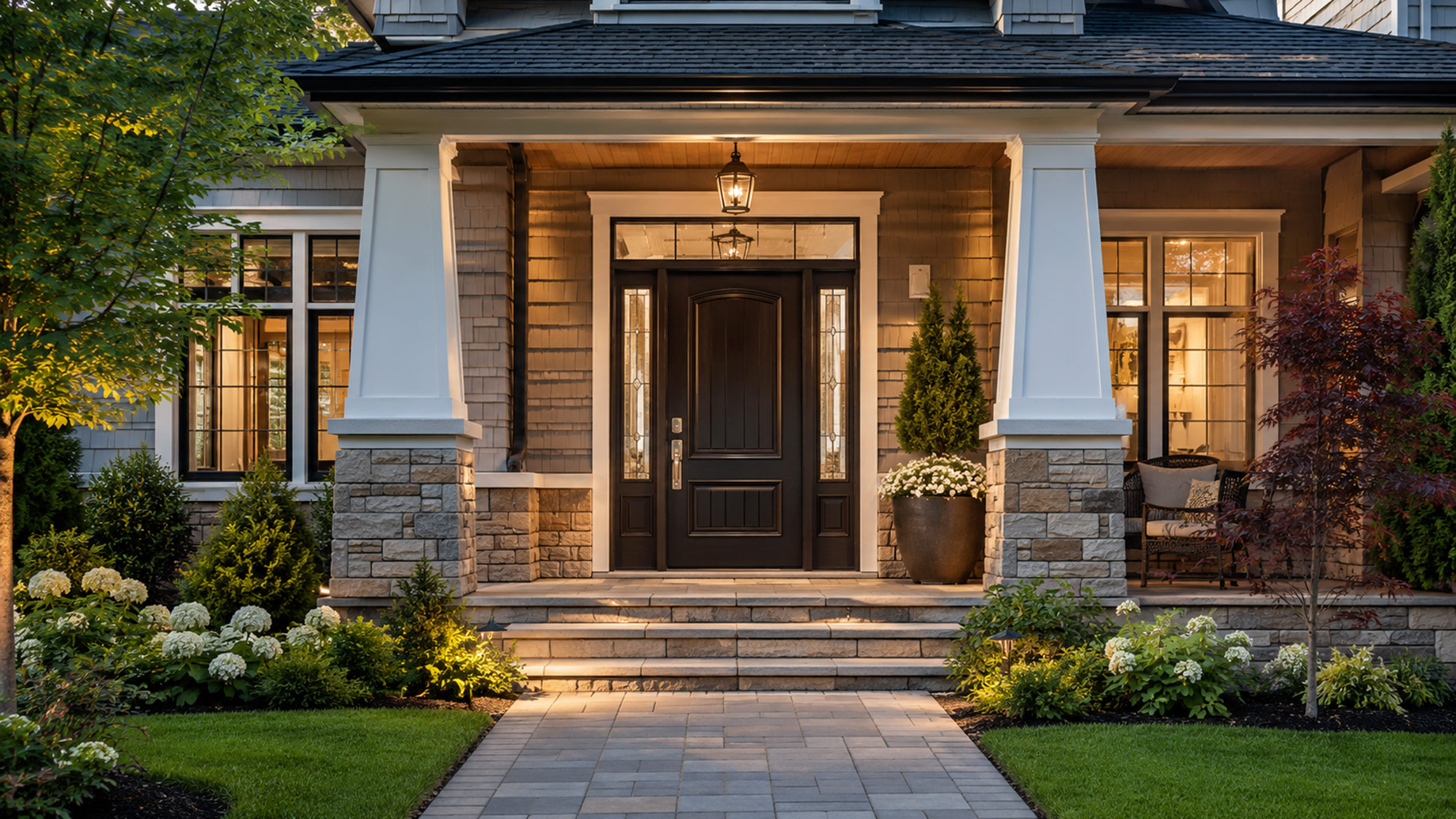
Yes, a new front door is one of the highest-returning home improvements available, recouping well over 100 percent of its cost at resale according to the industry’s most recent national data. It is also one of the least expensive projects on the list, which makes it one of the rare renovations where the upgrade pays for itself and then some.
Homeowners considering a custom front door Denver CO often choose this upgrade not only to improve curb appeal but also to enhance security, energy efficiency, and long-term resale value.
If you are weighing where to spend renovation dollars, the front door deserves more attention than it usually gets.
Here is what the data shows, and how to choose a door that maximizes that return.
The Numbers Behind Front Door ROI
According to the 2025 Cost vs. Value Report, a steel entry door replacement had an average job cost of $2,435 and added an estimated $5,270 in resale value, a 216 percent return on investment. That places it as the second-highest performing renovation project in the entire report, trailing only garage door replacement.
This is not a new trend. Steel entry door ROI has climbed sharply in recent years, moving from 64 percent in 2022 to 101 percent in 2023, then jumping again to 188 percent in 2024 and 216 percent in 2025. Few home improvement categories have seen that kind of consistent growth.
Regional data backs this up further. The steel entry door project had the second-highest ROI of any project tracked in seven out of nine U.S. regions in the 2025 report, meaning this is not a fluke tied to one part of the country. It performs well almost everywhere.
Why a Front Door Delivers Such a Strong Return
The math behind this comes down to a simple combination: low cost paired with high visual impact.
Entry door replacement is the lowest-cost project in most renovation rankings and one of the highest-returning, at roughly $2,400, making it accessible for nearly any homeowner. Unlike a kitchen or bathroom remodel, a door replacement does not involve major demolition, plumbing, or electrical work, which keeps labor costs low relative to the visual transformation it delivers.
Curb appeal also plays a bigger role in resale value than most homeowners assume. Real estate professionals consistently point to the exterior as one of the first things that shapes a buyer’s opinion of a home, often before they ever step inside. A dated, weathered, or damaged front door signals neglect, while a new one signals a well-maintained property.
Steel vs. Wood vs. Fiberglass: Which Should You Choose?
Each material has different strengths, and the right choice depends on your climate and priorities.
- Steel doors are the most common choice for maximizing resale value. A standard steel entry door replacement typically includes a 20-gauge steel door with dual-pane half-glass, a multi-point lock, a new deadbolt, and a new jamb and brickmold. Steel resists warping and denting better than wood and holds up well in extreme temperature swings, which matters in climates with hot summers and cold winters.
- Wood doors offer the most classic, high-end appearance and are often preferred in historic or traditional home styles. The tradeoff is maintenance. Wood needs regular refinishing to prevent warping, cracking, and sun damage, especially on doors that face direct afternoon sun.
- Fiberglass doors split the difference. They can be manufactured to mimic the look of real wood grain while resisting the warping and maintenance demands that come with actual wood. Fiberglass also tends to offer strong insulation performance, which matters for energy efficiency.
What Makes a Front Door Energy Efficient?
A front door is a major source of heat loss or gain if it is not properly insulated or sealed. Look for these features when evaluating energy efficiency:
- A solid core, whether steel, fiberglass, or wood, rather than a hollow door
- Weatherstripping around all edges of the frame, checked for gaps or wear
- Insulated glass is used in the door that includes a window panel, similar to double-pane window construction
- A properly sealed threshold at the bottom is one of the most common points of air leakage
- Energy Star certification, which indicates the door meets specific insulation and performance standards
An older, poorly sealed door can noticeably affect heating and cooling costs, especially in a climate with significant seasonal temperature swings. This is a factor worth weighing alongside pure resale value, since it affects your monthly costs for as long as you own the home.
Security Features Worth Considering
Beyond appearance and insulation, a new front door is also a chance to upgrade home security. Look for:
- A multi-point locking system, which secures the door at multiple points along the frame instead of just one deadbolt
- Reinforced strike plates with longer screws that anchor into the wall framing, not just the door jamb
- Solid core construction, which resists forced entry better than hollow doors
- Impact-rated glass is particularly relevant in areas with severe weather if the door includes windows
These upgrades add real security value that goes beyond the resale numbers, and many buyers specifically notice and appreciate visible security features during a home showing.
Best Front Door Styles for Modern Homes
Style preferences shift, but a few patterns hold steady in current buyer expectations. Solid, single-panel steel or fiberglass doors in a bold contrasting color like navy, black, or deep green have become popular for adding a modern focal point to a home’s exterior. Half-glass or full-glass panel doors add natural light to an entryway, which buyers consistently respond well to during showings.
Whatever style you choose, matching the hardware finish to other exterior fixtures, like light fixtures and house numbers, creates a more cohesive look that photographs well for listings.
Making the Decision for Your Home
If you are deciding where to put renovation dollars for the best return, a front door replacement stands out because it delivers strong resale value, meaningful energy savings, and a genuine security upgrade, all for one of the lowest price points among home improvement projects. For homeowners exploring a custom front door in Denver, CO, it is worth working with a company that can walk through material options, energy performance ratings, and design choices together, since these decisions work best made as a package rather than separately.
Frequently Asked Questions
Does a front door need to match the rest of the house’s color scheme? Not exactly, but it should complement it. A contrasting accent color on the door often works well, while a color that clashes with the roof, siding, or trim can make a home feel disjointed to buyers.
How long does a front door installation typically take? Most standard front door replacements take a single day when the existing frame is in good condition. If the frame needs repair or the opening requires resizing, expect additional time.
Is a fiberglass door as durable as steel? Fiberglass doors are highly durable and resist denting better than steel in some cases, though steel generally offers stronger resistance to forced entry. Both are significant upgrades over older wood doors in terms of long-term durability.