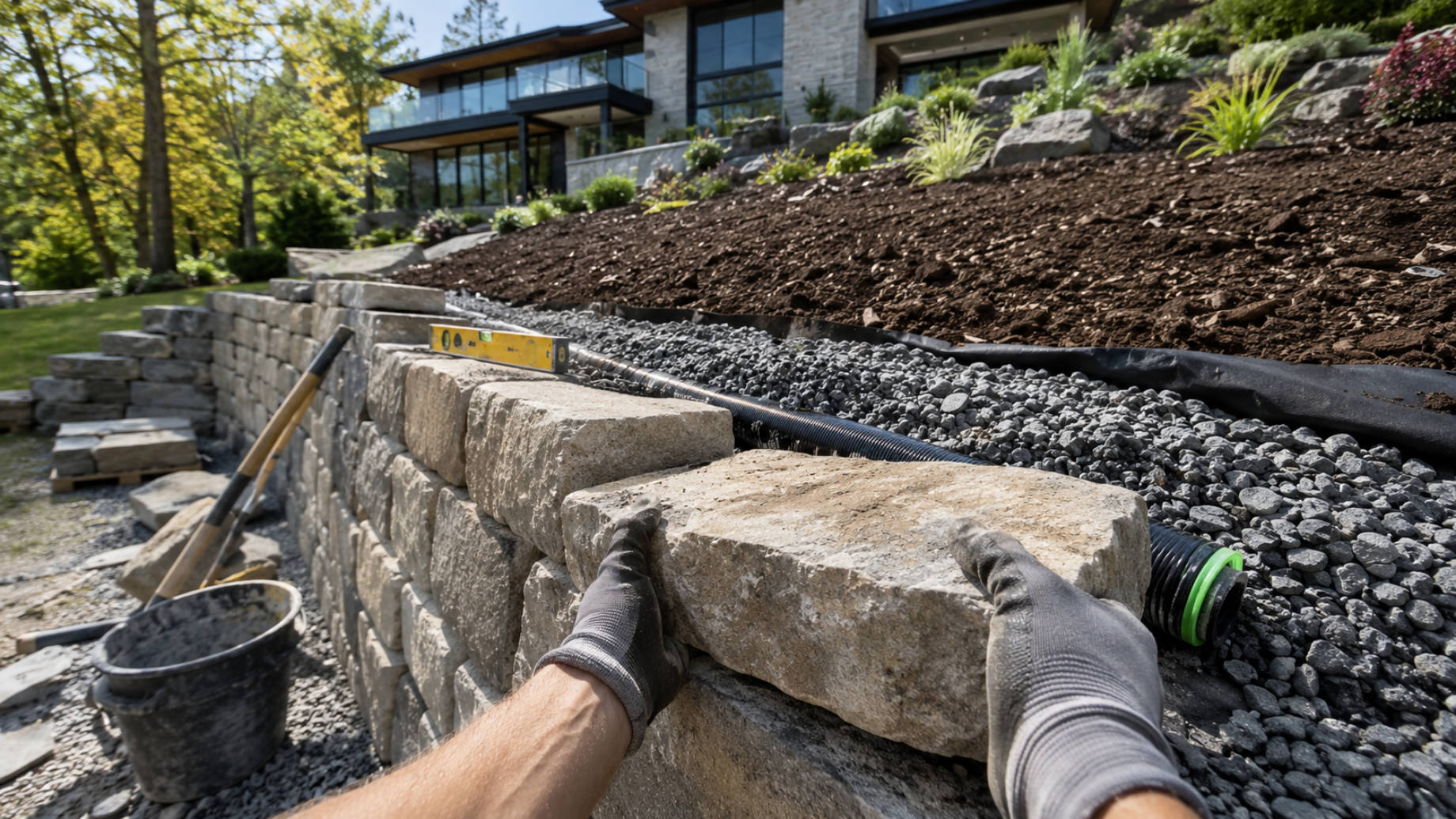
Uneven terrain can create significant challenges for property owners, especially when slopes begin to shift or soil starts moving away from its original position. While these changes may appear minor at first, they can gradually affect landscaping, structural integrity, and overall property value. Managing these risks requires solutions that address both stability and long-term land performance.
Many homeowners focus on visible features such as lawns, gardens, and outdoor living spaces without considering the condition of the ground supporting them. Soil movement, drainage problems, and erosion can silently weaken landscapes over time, creating issues that become increasingly expensive to correct.
A Retaining Wall Contractor provides specialized solutions designed to stabilize land and reduce the risk of property damage. Mountain Stone helps property owners improve slope management, strengthen outdoor environments, and create long-lasting support systems that protect valuable investments.
Understanding Why Land Stability Matters
Stable ground serves as the foundation for every outdoor feature on a property. Homes, driveways, patios, landscaping elements, and utility systems all rely on soil remaining in place over time.
When soil begins to shift, these structures may experience uneven settling, cracking, or other forms of damage. Sloped properties are particularly vulnerable because gravity naturally encourages soil movement during periods of heavy rainfall or environmental stress.
Protecting land stability helps preserve both functionality and appearance while reducing the likelihood of costly repairs in the future.
Common Causes of Soil Movement
Several factors contribute to land instability. Excessive rainfall, poor drainage, steep slopes, and changing weather conditions can all weaken soil structure and increase movement.
As water saturates the ground, soil may lose strength and become more susceptible to displacement. Repeated cycles of wet and dry conditions can further contribute to instability over time.
Understanding these causes helps property owners recognize potential risks before significant damage develops.
The Role of Retaining Walls in Property Protection
Creating Structural Support
Retaining walls are designed to hold soil in place and resist the forces that contribute to movement. By creating a stable barrier, these structures help maintain the intended shape and elevation of the landscape.
This support is particularly valuable on sloped properties where soil displacement is more likely to occur. Properly designed retaining walls help preserve outdoor spaces and protect nearby structures.
A stable landscape creates greater confidence that the property will continue performing as intended despite changing environmental conditions.
Managing Elevation Changes Effectively
Properties with varying elevations often present challenges related to accessibility, drainage, and land use. Retaining walls help manage these transitions by creating defined levels that improve functionality.
Organized elevation changes make it easier to utilize outdoor areas for landscaping, recreation, and other purposes. They also contribute to a cleaner and more attractive overall appearance.
Effective elevation management supports both practical and aesthetic goals for property owners.
Preventing Erosion and Soil Loss
Soil erosion gradually removes valuable topsoil and alters the shape of the landscape. Over time, this process can affect plant health, drainage patterns, and overall property condition.
A Retaining Wall Contractor helps combat erosion by creating barriers that stabilize vulnerable areas. These structures reduce the movement of soil and help preserve important landscape features.
Preventing erosion contributes to healthier outdoor environments while protecting investments in landscaping and property improvements.
Improving Drainage Performance
Water management plays a major role in maintaining land stability. Poor drainage allows water to accumulate in unwanted areas, increasing pressure on slopes and contributing to soil movement.
Retaining wall systems often incorporate drainage solutions that help redirect water away from vulnerable locations. This reduces the risk of saturation and supports more stable soil conditions.
Mountain Stone designs solutions that consider both structural support and effective water management to achieve long-term performance.
Protecting Homes and Outdoor Structures
Soil movement can affect more than landscaping. Foundations, walkways, patios, driveways, and other structures may experience damage when the ground beneath them becomes unstable.
Cracks, uneven surfaces, and shifting materials often indicate underlying land stability concerns. Addressing these issues proactively helps prevent more extensive structural damage.
A Retaining Wall Contractor helps create protective systems that reduce these risks and support the long-term integrity of the property.
Enhancing Usable Outdoor Space
Sloped terrain can limit how property owners use their outdoor areas. Uneven ground often creates challenges for landscaping, recreation, and construction projects.
Retaining walls help transform difficult terrain into functional spaces by creating level areas that support a variety of uses. These improvements increase flexibility and allow property owners to make better use of available land.
Expanding usable space adds practical value while improving the overall enjoyment of the property.
Supporting Landscape Longevity
Landscaping investments require stable conditions to thrive. Trees, shrubs, gardens, and decorative features all depend on consistent soil support and proper drainage.
When erosion or instability affects the landscape, plant health and appearance may suffer. Maintaining stable ground conditions helps preserve these investments and supports long-term growth.
Mountain Stone works with property owners to create solutions that strengthen landscapes while promoting sustainable outdoor environments.
Reducing Long-Term Maintenance Needs
Properties affected by ongoing soil movement often require repeated maintenance efforts. Regrading, repairing damaged features, and addressing erosion concerns can become costly over time.
Stabilization measures help reduce these recurring challenges by addressing the root causes of land instability. Preventive solutions often prove more efficient than repeatedly correcting damage after it occurs.
Investing in long-term stability supports better resource management and reduces future maintenance demands.
Increasing Property Value and Appeal
Well-maintained landscapes contribute significantly to property value and curb appeal. Stable outdoor environments create a positive impression while demonstrating responsible ownership.
Potential buyers often appreciate properties that include professionally designed stabilization features because they provide both functional and aesthetic benefits.
A Retaining Wall Contractor helps property owners enhance value by improving safety, appearance, and overall land performance.
Planning for Long-Term Property Protection
Land stability should be viewed as part of a broader property maintenance strategy. Addressing soil movement and drainage concerns early helps prevent more serious issues from developing later.
Professional evaluations allow property owners to identify vulnerabilities and implement solutions before significant damage occurs. This proactive approach supports long-term property preservation.
Mountain Stone helps clients develop strategies that protect landscapes, structures, and outdoor investments for years to come.
Conclusion
A Retaining Wall Contractor plays a critical role in preventing property damage and improving land stability. Through soil retention, erosion prevention, drainage management, and structural support, retaining walls provide lasting protection for both residential and commercial properties.
Mountain Stone helps property owners create stable and functional outdoor environments that withstand environmental challenges while enhancing usability and appearance. By investing in effective land stabilization solutions, property owners can reduce maintenance concerns, protect valuable assets, and improve the long-term performance of their landscapes.
Strong land management begins with a stable foundation, and retaining walls remain one of the most effective tools for achieving that goal.
