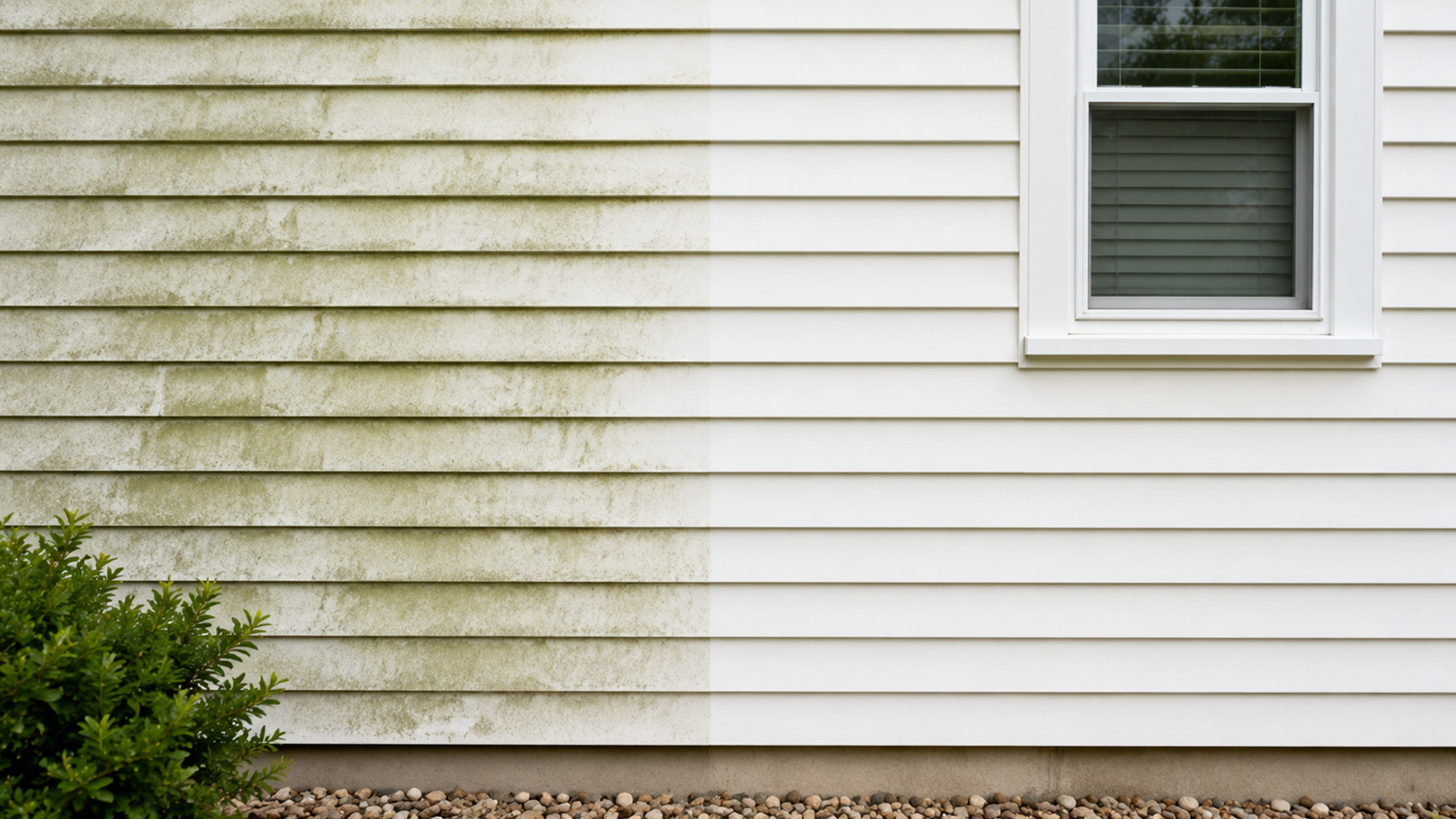
Homeowners often look at their homes and assume the exterior needs a fresh coat of paint. You might notice dull spots, uneven colors, or a chalky finish that makes your house look older than it is. However, what appears to be severe paint fading is frequently just a layer of surface contamination.
Before spending thousands of dollars on a full exterior repainting project, it helps to understand what covers your exterior walls. In many cases, calling a trusted house washing service in Minneapolis, MN, can reveal that your current paint job remains in excellent condition. Let us explore the common culprits that hide the true color of your siding.
The Illusion of Fading: Paint Degradation vs. Surface Contamination
It is easy to confuse actual paint degradation with a dirty exterior. True paint fading happens when ultraviolet rays from the sun break down the chemical bonds in the paint pigment. Over several years, this process leaves the color looking bleached or washed out.
Surface contamination behaves differently. Instead of the paint losing its color, a thin, often invisible layer of dirt, organic growth, and pollutants settles over the surface. This layer diffuses the light hitting your home, making the vibrant paint beneath look flat and lifeless.
Recognizing the difference saves you time and money. If your home still has a solid layer of paint without peeling or chipping, a thorough cleaning usually restores the original color. You just need to identify what type of buildup is dulling your exterior.
How Algae and Mildew Dull Your Exterior
Organic growth is one of the biggest enemies of a bright, clean home exterior. Algae, mildew, and mold thrive in shaded, damp environments. If you have large trees near your house or sides of your home that receive very little sunlight, you will likely spot these invaders.
Algae often appears as a green or black film. It clings tightly to siding materials, particularly vinyl and porous wood. As the algae spreads, it completely masks the paint underneath. Mildew presents itself as powdery gray or white spots, which many people easily mistake for fading or chalking paint.
Removing organic growth requires more than just water. It requires specialized cleaning solutions that kill the spores at their root. Addressing this problem promptly prevents the algae from permanently staining the exterior finishes.
The Impact of Pollen and Airborne Dust
Spring and summer bring warmer weather, but they also bring heavy pollen drops. Pollen is fine, sticky, and coats everything outside your home. When mixed with everyday airborne dust, it creates a stubborn yellow or brownish film over your siding.
This film dulls the shine of glossy paints and makes flat paints look incredibly dingy. Wind blows this fine debris against your home, and the natural texture of your siding catches it.
You might not notice the gradual buildup until you wipe a damp cloth across the surface. When you see the bright paint underneath, you realize the house is not fading—it is just coated in nature’s dust. Regular rinsing helps keep this specific type of contamination under control.
Moisture Buildup and Water Stains on Siding
Water is essential for cleaning, but chronic moisture buildup causes distinct visual problems for your home. Homes without proper gutters or adequate drainage often suffer from water stains along the lower half of the siding.
When rain hits the ground and splashes back onto the house, it carries mud, minerals, and debris. As the water evaporates, it leaves these minerals behind. Over time, hard water stains build up and create a cloudy, faded appearance on the paint.
Moisture also contributes to a phenomenon called “tiger striping” on gutters and the upper edges of siding. These dark, vertical streaks look like failing paint but are actually dirt and petroleum runoff from your roof shingles. Proper moisture management and routine exterior maintenance keep these stains from becoming permanent.
Environmental Residue and Urban Pollution
If you live near a busy road, an industrial area, or an airport, environmental residue plays a major role in how your siding looks. Exhaust fumes, smog, and industrial fallout constantly settle on the surfaces of your home.
This type of pollution leaves a greasy, dark residue that is very difficult to wash off with a garden hose. The sticky nature of urban smog traps additional dust and dirt, compounding the problem.
- Common sources of environmental residue include:
- Vehicle exhaust from nearby streets
- Smoke from neighborhood fire pits or chimneys
- Airborne soot from local manufacturing
- Tiny rubber particles from tire wear on roads
This greasy grime drastically reduces the reflective qualities of your paint. Removing it requires specific cleaning agents designed to break down hydrocarbon bonds without damaging the siding underneath.
Why Cleaning Often Beats a Full Repaint
When faced with a dull exterior, many people immediately call a painting contractor. However, painting over a dirty house is a terrible idea. The new paint will not adhere properly to algae, dust, or grease, leading to peeling and bubbling within months.
Since any reputable painter will require a clean surface before starting, you must clean the house anyway. Often, after the initial wash, homeowners realize the existing paint looks brilliant and decide to cancel the repainting project altogether.
Partnering with a trusted house washing service in Minneapolis, MN, ensures the right technique is used to remove stubborn grime safely. Professionals use a combination of specialized detergents and controlled water pressure to dissolve the buildup. This approach, known as soft washing, protects delicate siding materials while delivering exceptional results.
Choosing the Right Exterior Maintenance Approach
Different siding materials require different cleaning methods. Using high pressure on the wrong material causes irreversible damage. Water can get forced behind vinyl siding, leading to hidden mold growth and wood rot inside your walls.
Fiber cement and stucco require gentle approaches to avoid chipping the surface. Wood siding needs careful attention so the grain does not splinter. Power washing is an effective tool for hard surfaces like concrete driveways and stone patios, but it should be used very cautiously on painted siding.
A professional exterior care team knows exactly how to treat each material. They apply eco-friendly cleaning agents that break down dirt and algae, followed by a low-pressure rinse. This careful maintenance schedule keeps your home looking fresh year after year.
Conclusion
Understanding what covers your exterior walls is the first step in proper home maintenance. What frequently looks like severe paint fading is actually a buildup of algae, pollen, dust, moisture stains, and urban pollution. These contaminants mask the true color of your siding and make your home look prematurely aged.
Routine exterior cleaning removes this dulling layer, protecting your investment and boosting your curb appeal. Before you buy primer and brushes for an unnecessary project, consider the benefits of a thorough exterior clean. Reaching out to a trusted house washing service in Minneapolis, MN, provides a simple, cost-effective way to restore your home’s original beauty.
