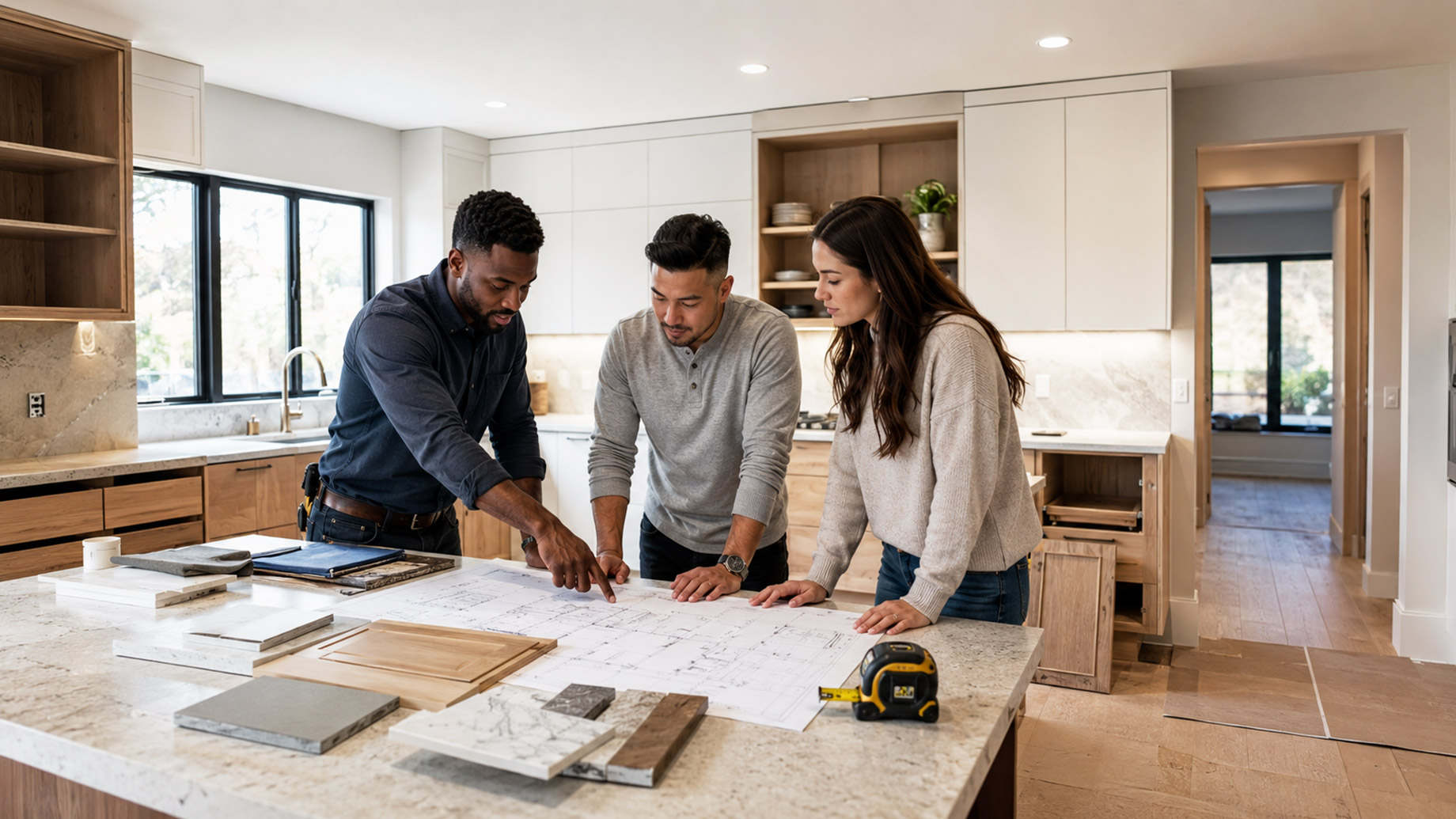
A home renovation can make your property more comfortable, more functional, and more valuable. It can also become expensive quickly if the project is not planned carefully. Many homeowners start with good intentions, only to run into budget overruns, delays, design regrets, or unexpected repairs that could have been avoided. The truth is that most renovation mistakes are not caused by one major decision. They usually happen through small planning gaps, rushed choices, unclear expectations, or attempts to save money in the wrong places. Whether you are updating a kitchen, remodeling a bathroom, finishing a basement, replacing flooring, or planning a full home renovation, understanding the most common pitfalls can help you protect your budget and avoid unnecessary stress. Below are 10 renovation mistakes homeowners make, why they can cost so much, and how to avoid them before work begins.
1. Starting Without a Clear Plan
One of the most expensive renovation mistakes is beginning construction without a detailed plan. A vague idea, such as “update the kitchen” or “make the bathroom look modern,” is not enough. Without clear decisions about layout, materials, finishes, fixtures, budget, and timeline, the project can quickly become disorganized. Every change made after work begins can create extra labor, delays, material returns, and scheduling problems. Contractors may also need to pause work while homeowners make decisions, which can extend the project and increase costs.
To avoid this mistake, define your goals before demolition starts. Decide what problems you want the renovation to solve. Are you trying to add storage, improve traffic flow, increase resale value, modernize finishes, or make the home more energy efficient? Create a written scope of work and review it with your contractor. The more decisions you make upfront, the less likely you are to pay for expensive changes later.
2. Underestimating the Budget
Many homeowners create a budget based only on visible materials, such as cabinets, tile, countertops, flooring, or appliances. But renovation costs include much more than finishes. Labor, permits, demolition, disposal, delivery fees, design services, inspections, structural updates, plumbing, electrical work, and unexpected repairs can all affect the final price. If the budget is too tight from the start, even a small surprise can cause stress.
A smart renovation budget should include a contingency fund. This is extra money set aside for hidden issues or changes that come up during the project. Older homes may have outdated wiring, plumbing problems, water damage, uneven floors, or previous work that was not done correctly. Even newer homes can reveal surprises once walls, floors, or cabinets are removed.
A safer budgeting approach includes:
- Getting a detailed written estimate
- Comparing the full scope, not just the final number
- Setting aside 10% to 20% for unexpected costs
- Choosing must-have upgrades before nice-to-have upgrades
- Confirming what is and is not included in the contract
A realistic budget helps you make confident decisions and avoid running out of money mid-project.
3. Choosing the Cheapest Contractor
It is natural to want to save money, but hiring the cheapest contractor can cost more in the long run. A very low bid may leave out important parts of the job, use lower-quality materials, rely on rushed labor, or create change orders later. In some cases, homeowners end up paying a second contractor to fix poor workmanship, which can cost thousands more than hiring a qualified professional from the beginning.
The lowest price is not always the best value. A good contractor should be licensed when required, insured, experienced, communicative, and willing to provide a clear scope of work. Look for someone who explains the process, answers questions, and helps you understand potential challenges.
Before hiring a contractor, ask about:
- Experience with similar projects
- Licensing and insurance
- References or project examples
- Payment schedule
- Timeline expectations
- Permit responsibilities
- Warranty or workmanship guarantees
- How changes are handled
A trustworthy contractor may not be the cheapest option, but quality work can protect your investment and prevent costly repairs.
4. Skipping Permits
Skipping permits may seem like a way to save time and money, but it can create major problems later. Many renovation projects require permits, especially when they involve electrical, plumbing, structural changes, additions, decks, major HVAC work, or layout modifications. If work is done without required permits, you may face fines, failed inspections, insurance problems, or issues when selling the home.
Unpermitted work can also make buyers nervous. During a home sale, inspectors and appraisers may flag renovations that appear incomplete, unsafe, or undocumented. In some cases, homeowners must open walls, redo work, or apply for retroactive permits before a sale can proceed.
To avoid this mistake, ask your contractor which permits are required before work begins. Do not assume a project is too small to need approval. Local rules vary, so it is better to check first than fix problems later.
5. Making Too Many Changes During Construction
Change orders are one of the biggest reasons renovation costs increase. A change order happens when the homeowner modifies the original plan after work has started. Sometimes changes are unavoidable, especially if hidden damage is discovered. But many changes come from indecision or rushing through the planning phase.
Small changes can have a ripple effect. Moving a sink may require plumbing adjustments, cabinet changes, countertop modifications, flooring repairs, and inspection updates. Changing tile after it has been ordered can delay installation and increase material costs. Even switching light fixtures may affect electrical placement.
To reduce change orders:
- Finalize major design decisions before construction
- Review drawings, layouts, and material selections carefully
- Order materials early when possible
- Ask questions before approving the scope
- Avoid making decisions based only on trends
- Keep a written record of any approved changes
Sticking to the plan is one of the easiest ways to save money.
6. Ignoring the Home’s Existing Structure
A beautiful design can become very expensive if it ignores the home’s structure, systems, or layout. Removing walls, relocating bathrooms, moving kitchens, adding large windows, or changing rooflines may require engineering, permits, framing, plumbing, electrical, and HVAC adjustments. These changes can be worthwhile, but they should not be underestimated.
For example, removing a load-bearing wall is more complicated than simply opening up a space. It may require a beam, posts, foundation support, ceiling repair, flooring patching, and professional engineering. Moving a kitchen sink to an island may require new supply lines, drain lines, venting, flooring work, and cabinet modifications.
Before making major layout changes, talk with your contractor about what is behind the walls, under the floors, and above the ceiling. Sometimes you can achieve a similar result with a less invasive solution, such as widening an opening instead of removing an entire wall or improving lighting instead of changing the floor plan.
7. Choosing Trendy Materials Over Timeless Ones
Trends can be fun, but they can also date your renovation quickly. Bold cabinet colors, unusual tile patterns, highly specific fixtures, and trendy finishes may look exciting now, but feel outdated in a few years. This matters especially if you plan to sell your home. Buyers may see trendy choices as future replacement costs.
The most expensive permanent features should usually be timeless, durable, and broadly appealing. These include flooring, cabinets, countertops, showers, built-ins, and major fixtures. You can still add personality, but it is often better to do that through items that are easier and cheaper to change.
Good places for trend-forward design include:
- Paint colors
- Cabinet hardware
- Light fixtures
- Rugs
- Mirrors
- Decor
- Bar stools
- Backsplash accents
Timeless choices help your renovation last longer and protect resale value.
8. Buying Materials Too Late
Material delays can slow down a renovation and increase labor costs. Cabinets, windows, specialty tile, custom doors, plumbing fixtures, and appliances may have long lead times. If materials are not available when needed, your contractor may need to reschedule trades, pause work, or complete tasks out of order.
Ordering late can also force homeowners into rushed decisions. When a preferred item is out of stock, you may have to choose a more expensive alternative or settle for something that does not match your original vision.
To avoid delays, select and order key materials before demolition whenever possible. Confirm measurements before purchasing, especially for cabinets, countertops, appliances, windows, and doors. Keep all product specifications organized so your contractor can plan accurately.
9. Overlooking Function for Appearance
A renovation should look good, but it also needs to work well. Some homeowners focus heavily on finishes and forget about storage, lighting, traffic flow, outlets, ventilation, maintenance, and everyday convenience. A beautiful kitchen with too little counter space can become frustrating. A stylish bathroom without enough lighting or storage can feel impractical. A living room with attractive built-ins may still be awkward if furniture placement was not considered.
Function should guide design choices. Think about how you use the space every day. Where do you need storage? How many people use the room at once? Do doors swing into walkways? Are outlets placed where you need them? Is there enough lighting for tasks? Are materials easy to clean and maintain?
Practical design choices can save money over time because you are less likely to redo the space later.
10. Forgetting About Resale Value
Your home should fit your lifestyle, but it is still wise to consider resale value. Some renovations are so personal that they limit future buyer appeal. Converting a garage into a hobby room, removing a bedroom to create a larger closet, installing unusual flooring throughout the home, or eliminating a bathtub in a family-friendly neighborhood may make the home harder to sell.
Resale-conscious renovations usually improve broad appeal. Buyers tend to appreciate updated kitchens, functional bathrooms, good lighting, durable flooring, energy efficiency, fresh paint, curb appeal, and flexible spaces. They may be less excited by niche upgrades that only serve one lifestyle.
Before making a highly specific renovation, ask yourself whether the change improves the home for most people or only for you. If it is highly personal, consider whether it can be reversed easily.
How Careful Planning Can Save Thousands
The best way to save money on a renovation is not to cut every cost. It is to avoid preventable mistakes. Cheap materials, rushed work, unclear contracts, skipped permits, and poor planning can all create bigger expenses later. A smart renovation balances budget, quality, function, and long-term value.
Before starting your project, take time to:
- Define your goals
- Set a realistic budget
- Hire qualified professionals
- Confirm permit requirements
- Finalize selections early
- Understand the scope of work
- Plan for hidden problems
- Prioritize function and durability
Good planning may not feel as exciting as choosing finishes, but it is what keeps a renovation on track.
FAQ
What is the most common home renovation mistake?
The most common mistake is starting without a clear plan. When details are not finalized early, homeowners are more likely to face delays, change orders, and budget overruns.
How much extra money should I budget for unexpected renovation costs?
A good rule is to set aside 10% to 20% of the project budget for unexpected costs. Older homes or larger renovations may require a higher contingency.
Is it worth hiring a contractor instead of doing it myself?
For major work involving plumbing, electrical, structural changes, permits, or complex installations, hiring a qualified contractor is usually worth it. Poor DIY work can cost more to fix later.
Do all home renovations require permits?
No, but many projects do. Electrical, plumbing, structural changes, additions, decks, and major mechanical work often require permits. Always check local requirements before starting.
How can I keep my renovation from going over budget?
Finalize your plan early, avoid unnecessary layout changes, choose materials before construction starts, review the scope carefully, and limit change orders once work begins.
What renovations add the most value?
Kitchens, bathrooms, curb appeal, flooring, paint, energy-efficiency upgrades, and functional layout improvements often provide strong value when completed professionally.
Can trendy designs hurt resale value?
Yes. Highly trendy or personalized designs can make a home feel dated faster and may reduce buyer appeal. Use timeless materials for permanent features and save trends for easy-to-change details.
What should I ask a contractor before hiring them?
Ask about licensing, insurance, experience, references, timeline, payment schedule, permit handling, warranties, and how they manage changes or unexpected issues.
