Clear vision is fundamental to independence, safety, and quality of life. As people age, however, many experience gradual changes in eyesight that can interfere with daily activities such as reading, driving, or recognizing faces. One of the most common causes of vision impairment worldwide is cataracts—a condition that develops slowly and often goes unnoticed in its earliest stages.
Receiving care through a qualified eye clinic in Calgary allows individuals to access advanced diagnostics and personalized guidance for managing cataracts at every stage. When vision loss begins to interfere with daily life, cataract surgery offers a highly effective and safe solution that can restore clarity and significantly improve visual function.
This article provides a comprehensive overview of cataracts, including how they develop, common symptoms, treatment options, and what patients can expect before, during, and after surgical intervention.
What Are Cataracts?
A cataract occurs when the natural lens of the eye becomes cloudy. The lens plays a critical role in focusing light onto the retina, enabling clear vision. Over time, proteins within the lens can clump together, causing cloudiness that interferes with light transmission.
How Cataracts Affect Vision
As cataracts progress, individuals may notice:
- Blurred or hazy vision
- Increased sensitivity to light and glare
- Difficulty seeing at night
- Faded or yellowed colours
- Double vision in one eye
- Frequent changes in eyeglass prescriptions
Because cataracts usually develop gradually, many people adapt to changes without realizing how significantly their vision has declined.
Common Causes and Risk Factors
While aging is the primary cause of cataracts, several factors can increase risk or accelerate development.
Age-Related Changes
Most cataracts develop after age 60, though early changes may begin decades earlier.
Medical Conditions
- Diabetes
- Long-term steroid use
- Eye injuries or inflammation
Lifestyle and Environmental Factors
- Prolonged UV exposure
- Smoking
- Excessive alcohol use
- Poor nutrition
Understanding risk factors allows individuals to monitor their eye health more closely and seek timely evaluation.
Types of Cataracts
Not all cataracts are the same. Their type and location within the lens influence symptoms and treatment decisions.
Nuclear Cataracts
Develop in the centre of the lens and often cause:
- Increased nearsightedness initially
- Yellowing or browning of vision
Cortical Cataracts
Form along the lens edges and may cause:
- Glare sensitivity
- Difficulty judging distances
Posterior Subcapsular Cataracts
Develop at the back of the lens and tend to progress faster, often affecting:
- Reading
- Bright light vision
- Night driving
Accurate diagnosis helps guide appropriate treatment planning.
How Cataracts Are Diagnosed
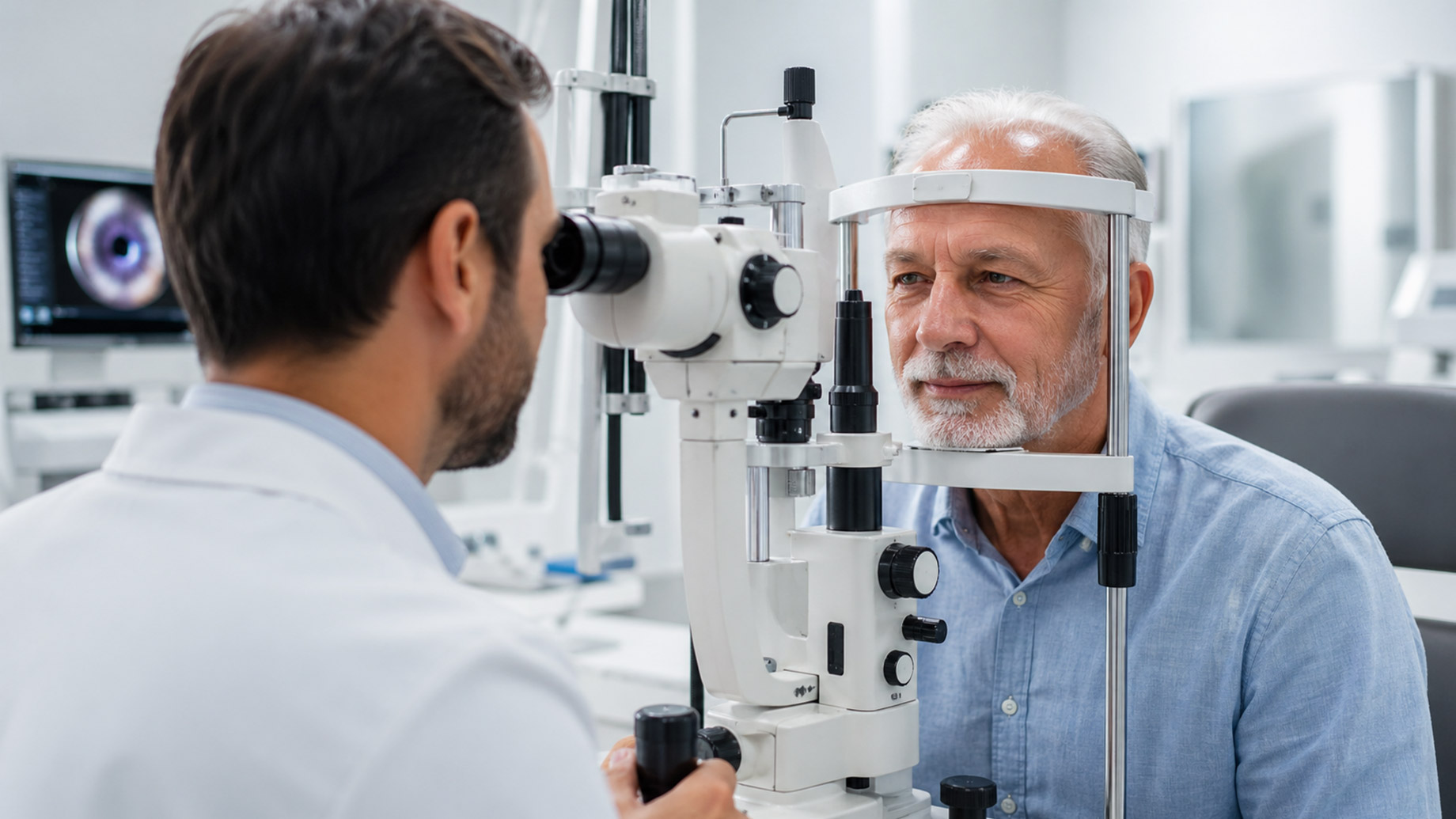
A comprehensive eye examination is essential for diagnosing cataracts and assessing their impact on vision.
Key Diagnostic Tests
- Visual acuity testing
- Slit-lamp examination
- Retinal evaluation
- Glare sensitivity testing
Advanced imaging allows eye care professionals to evaluate lens clarity and determine the severity of cataracts.
When is Cataract Surgery Recommended?
Cataracts do not require immediate surgery upon diagnosis. Treatment decisions are based on how much the condition interferes with daily activities and overall quality of life.
Signs Surgery May Be Appropriate
- Difficulty driving, especially at night
- Trouble reading or using digital devices
- Increased glare from lights
- Reduced independence or confidence
- Inability to perform work or hobbies
When cataracts begin affecting safety or daily function, surgical treatment is often recommended.
Non-Surgical Management Options
In early stages, symptoms may be managed temporarily with:
- Updated eyeglass prescriptions
- Increased lighting
- Anti-glare lenses
- Magnifying tools
However, these measures do not stop cataract progression—they only provide short-term relief.
Understanding Cataract Surgery
Cataract surgery is one of the most commonly performed and successful procedures in modern medicine. It involves removing the cloudy natural lens and replacing it with a clear artificial intraocular lens (IOL).
How the Procedure Works
- The cloudy lens is gently broken into small pieces
- The fragments are removed through a tiny incision
- A clear artificial lens is implanted in its place
The procedure is typically completed in under 30 minutes.
Types of Intraocular Lenses (IOLs)
Several lens options are available, each designed to meet different visual needs.
Monofocal Lenses
- Provide a clear vision at one distance
- Often require glasses for reading or distance
Multifocal Lenses
- Designed to correct vision at multiple distances
- May reduce dependence on glasses
Toric Lenses
- Correct astigmatism
- Improve overall visual sharpness
An eye care professional helps determine the most suitable lens based on lifestyle, vision goals, and eye health.
Preparing for Cataract Surgery
Preparation ensures optimal outcomes and smooth recovery.
Pre-Surgical Evaluation
- Detailed eye measurements
- Review of medical history
- Discussion of lens options
- Medication review
Patients receive clear instructions regarding medications and day-of-surgery expectations.
What to Expect on the Day of Surgery
Cataract surgery is typically an outpatient procedure.
Day-of Experience
- Local anesthesia or numbing drops are used
- Patients remain awake but comfortable
- The procedure is painless for most individuals
- Vision may be blurry immediately afterward
Patients usually return home the same day with protective eye shielding.
Recovery and Healing
Recovery is generally quick and uncomplicated.
Typical Recovery Timeline
- Improved vision within days
- Full stabilization over several weeks
- Follow-up appointments to monitor healing
Post-Operative Care Guidelines
- Use prescribed eye drops
- Avoid rubbing the eye
- Limit strenuous activity temporarily
- Wear protective eyewear as advised
Following instructions closely helps prevent complications.
Potential Risks and Complications
Cataract surgery is very safe, but as with any procedure, risks exist.
Possible Complications
- Infection
- Inflammation
- Increased eye pressure
- Posterior capsule clouding
Most complications are rare and treatable when identified early.
Benefits of Cataract Surgery
For most patients, the benefits are life-changing.
Common Improvements
- Clearer, sharper vision
- Improved colour perception
- Better night vision
- Increased independence
- Enhanced quality of life
Many patients report improved confidence and enjoyment in daily activities.
The Role of an Eye Clinic in Cataract Care
Managing cataracts requires coordinated care—from diagnosis to surgery and follow-up. A well-equipped eye clinic in Calgary provides:
- Advanced diagnostic imaging
- Pre- and post-operative care
- Surgical planning support
- Long-term vision monitoring
Comprehensive care ensures safe treatment and optimal visual outcomes.
Long-Term Eye Health After Surgery
Cataract surgery corrects lens clouding but does not eliminate the need for regular eye exams.
Ongoing Eye Care Is Important For:
- Monitoring eye pressure
- Detecting age-related conditions
- Managing dry eye or retinal changes
- Preserving long-term vision health
Continued care supports healthy vision for years to come.
Conclusion
Cataracts are a common and treatable cause of vision loss. While early symptoms may be subtle, progression can significantly impact daily life if left unaddressed. Advances in cataract surgery have made treatment safer, faster, and more effective than ever before.
By seeking timely evaluation through a trusted eye clinic in Calgary, individuals can receive an accurate diagnosis, expert guidance, and comprehensive care tailored to their needs. With proper treatment and follow-up, cataracts no longer have to limit independence or quality of life.
