Many homeowners feel that something in their house is not working, yet they cannot point to one big problem. The paint looks fine. The furniture still works. The kitchen functions well enough. Still, daily routines feel rushed, cluttered, or slightly uncomfortable. The issue often lies in the rooms people use the most but improve the least.
Spaces like bathrooms, entryways, and laundry rooms handle constant traffic. When these areas lack storage, lighting, or smart layout, small frustrations build up. You waste time looking for items. You deal with poor lighting. You move around awkward layouts. Giving more attention to these overlooked rooms can improve how your home feels every single day without requiring a full remodel.
The Bathroom You Rush Through Every Morning
Most people treat the bathroom as a purely functional space. As long as the shower works and the sink drains, they move on. But this room shapes the start and end of your day. Poor lighting makes grooming harder. Limited storage leads to cluttered counters. Old surfaces can be difficult to clean and maintain.
Instead of focusing only on tile color or decor, look at how the space works. Is there enough storage for daily items? Does the layout allow easy movement? Do fixtures function properly? In some cases, working with a bathroom remodeling contractor helps address deeper accessibility issues. A well-planned bathroom saves time and reduces daily stress.
The Entryway That Collects Clutter
The entryway handles shoes, bags, coats, and keys every day. Without structure, it quickly turns into a pile of random items. This creates visual clutter and slows you down when you leave the house. A poorly lit or crowded entry also affects the overall feel of your home.
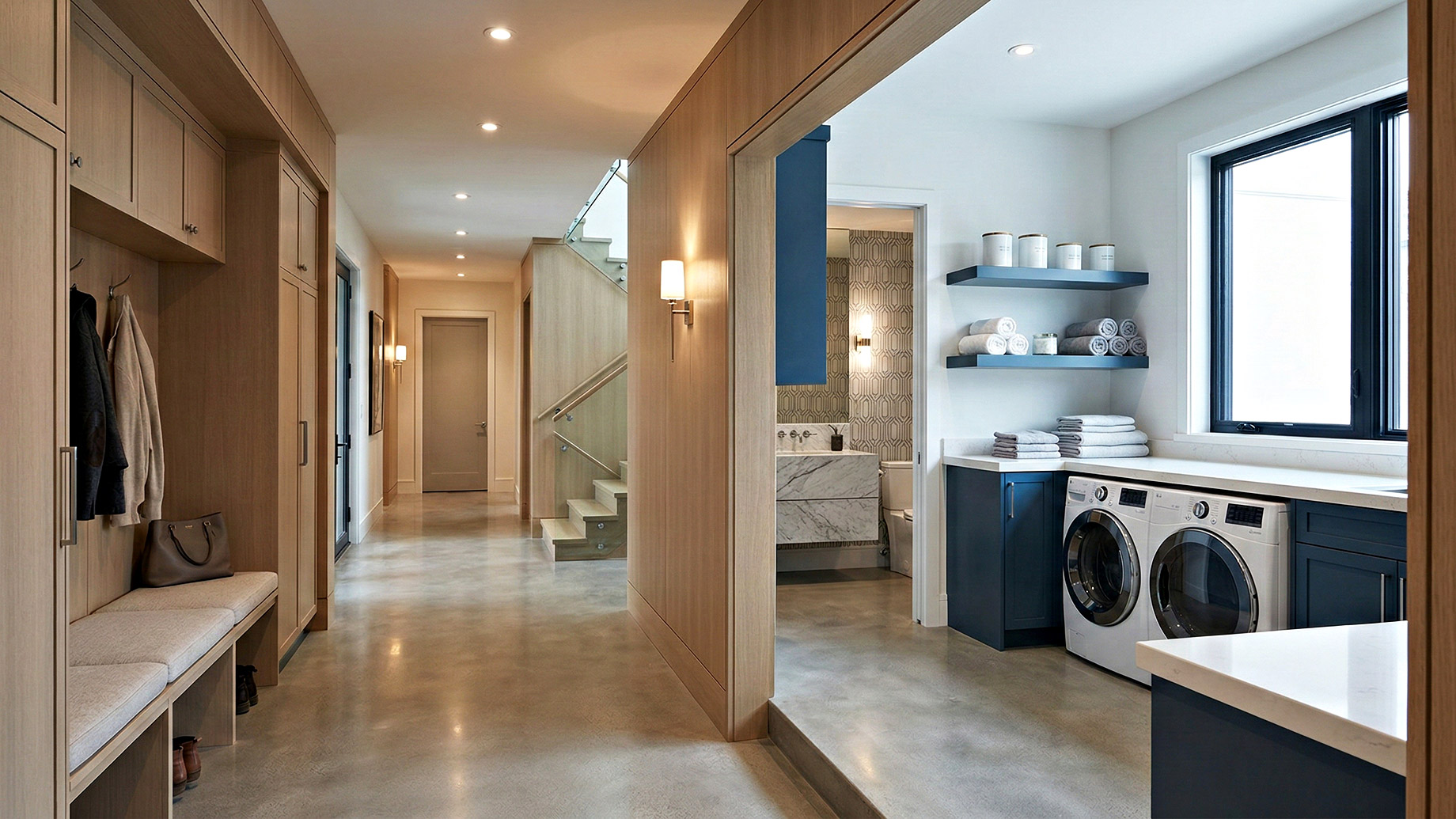
Start by observing how people move through the space. Do they have a clear place to set down items? Hooks, closed cabinets, and a small bench can create order without taking up much room. Good lighting also makes a difference, especially in homes with limited natural light near the door. When the entryway works well, mornings feel smoother and coming home feels calmer.
The Laundry Room That Feels Like a Chore
Laundry rooms often feel tight, dim, and unorganized. Since you use this space every week, a poor setup adds unnecessary effort. Lack of folding space leads to piles of clothes moving from one surface to another. Cleaning supplies may crowd shelves or sit on top of machines.
A few layout changes can improve this room quickly. Adding wall shelves or cabinets keeps products contained. Even a narrow counter over front-loading machines creates a proper folding area. Bright lighting makes stains easier to spot and improves overall comfort. When the laundry room feels organized and efficient, the task itself becomes easier to manage and less frustrating.
The Hallways You Barely Notice
Hallways connect rooms, but many homeowners treat them as empty paths. Poor lighting or blank walls can make these areas feel dull or narrow. Because you pass through them many times a day, they still affect how your home feels.
Simple upgrades can make hallways more functional. Install brighter light fixtures to remove shadows. Add narrow shelves or built-in storage if space allows. Use wall space intentionally for framed photos or artwork instead of leaving it empty. Keep decorations minimal so the area does not feel crowded. When hallways feel well-lit and purposeful, they support the flow of your home rather than acting as a forgotten space.
The Guest Room That Lost Its Purpose
Guest bedrooms often turn into storage zones over time. Extra boxes, seasonal items, and unused furniture slowly take over. When visitors arrive, the room feels rushed and uncomfortable. Even if guests stay only once or twice a year, this space still reflects how prepared your home feels.
Keep the layout simple and open. Choose a comfortable mattress and basic bedding that feels clean and inviting. Provide a small surface for personal items and clear a portion of the closet for hanging clothes. Avoid overfilling the room with unused furniture. A well-kept guest room shows care and keeps your home flexible for changing needs.
The Closet That Slows You Down
Closets affect your daily routine more than you think. When shelves overflow and clothing piles up, getting dressed takes longer and feels stressful. Poor closet design wastes vertical space and leaves items hidden in corners. Installing adjustable shelving and double hanging rods helps you use the full height of the closet. Clear storage bins keep smaller items organized and easy to find. Good lighting also makes a difference, especially in deeper closets where shadows hide clothing. Regularly sorting and removing unused items prevents overcrowding. An organized closet supports quicker decisions in the morning and reduces the need to constantly reorganize the same space.
The Garage With Untapped Potential
Many garages hold more clutter than cars. When tools, sports gear, and seasonal items pile up on the floor, the space becomes hard to use. Wall-mounted racks and ceiling storage systems free up valuable floor area. Storing items by category also makes them easier to find and return. Good lighting improves safety when working on projects or moving around equipment. If you plan to use the garage as a workshop or hobby area, insulation and proper ventilation help regulate temperature and airflow. A well-organized garage protects belongings from damage and reduces trip hazards, making it more functional year-round.
The Home Office That Shapes Productivity
A poorly arranged home office can affect focus and posture. Desk height should allow your arms to rest comfortably while typing. Your screen should sit at eye level to reduce neck strain. Natural light helps reduce eye fatigue, but direct glare on screens can cause discomfort. Position your desk near a window without facing harsh sunlight. Use simple cable management tools to prevent cords from tangling underfoot. A supportive chair with proper back support reduces strain during long work sessions. Keep only essential items on your desk to limit distractions. A thoughtful office setup supports productivity and helps separate work from personal time.
Homes often feel uncomfortable not because of one major flaw, but because small, overlooked spaces create daily friction. Bathrooms, entryways, bedrooms, closets, garages, and work areas all shape how smoothly your day runs. When these rooms lack structure, lighting, or storage, small problems build up over time.
You do not need a full renovation to see improvement. Start by choosing one space that interrupts your routine. Focus on layout, lighting, and organization before decor. Practical upgrades often bring the biggest return in comfort and ease. When each room supports how you live, your entire home feels more balanced and easier to manage.
