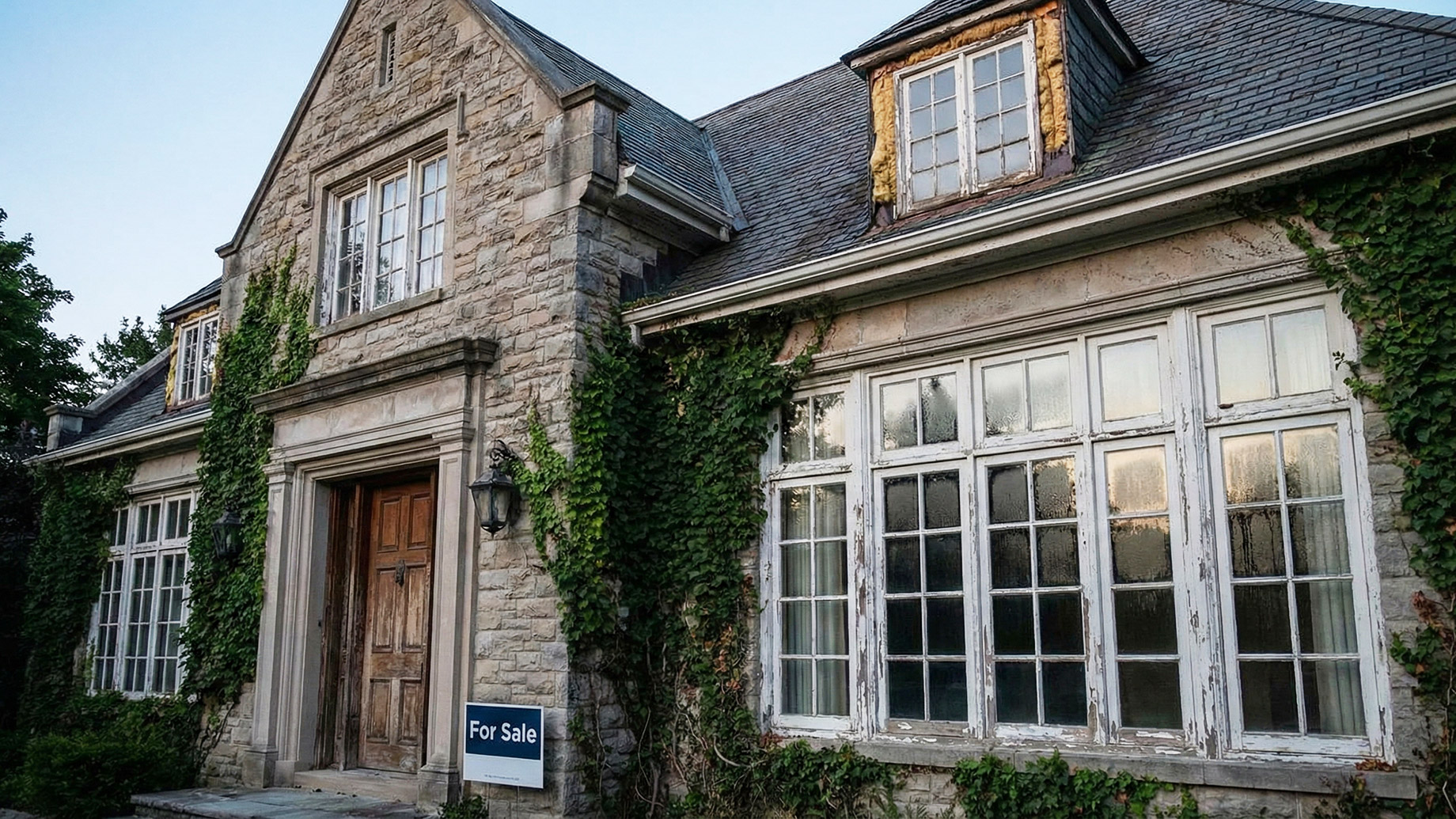
Selling a house often feels stressful, and it becomes more challenging when the home still has old windows, worn doors, or insulation that no longer performs well. These features can influence buyer interest, home value, and how long the property stays on the market. Even so, homeowners have several paths to move forward successfully without feeling overwhelmed. This guide explains how aging features affect a sale, what improvements matter, and how to position the home so buyers see value despite older materials.
Older Features Matter When Listing a Property
Many buyers walk into a showing expecting comfort, efficiency, and updated materials. When windows fog, doors stick, or insulation fails to hold temperature, they quickly imagine extra work after move-in. This can create hesitation and slow down the sales process.
Home inspectors also pay close attention to these areas, which can influence negotiations. Reports often highlight drafts, weak seals, water intrusion, or energy-loss issues. Sellers who understand this ahead of time can prepare for the conversation rather than feel surprised later.
Some homeowners choose a simpler path by working with home-buying companies that accept properties in as-is condition. One example is Cash For Homes Now, which can help sellers move forward without repairs or upgrades.
Signs That Windows, Doors, and Insulation Influence Buyer Decisions
Old windows are common pain points because they tend to show visible aging. Frames warp, seals fail, and glass becomes hazy. These signs tell buyers the home might be losing heat or cool air during the year. Doors also make an impression. A door that scrapes the floor, sticks during humid weather, or shows light through the edges suggests poor insulation. This can give buyers a sense that maintenance has been delayed.
Insulation problems are sometimes hidden, though they have a strong impact on comfort. Uneven temperatures between rooms, noise from outside, or higher utility bills can make buyers cautious. When buyers feel uncertain about efficiency, they often lower their offers to compensate for future upgrades.
Improving Buyer Confidence Without Major Renovations
Some homeowners think they must replace everything to attract interest, though smaller updates can still create a positive effect. Cleaning window tracks, repainting frames, or adding weatherstripping brings new life to older materials. These changes signal care and maintenance.
Another simple move is updating door hardware. Fresh hinges or modern handles make doors look cleaner and stronger. This creates a nice improvement without high costs. Sellers can also complete a basic energy check. While not a full audit, sealing gaps around outlets, attics, and crawl spaces can reduce drafts. Buyers appreciate visible efforts that make the home feel more comfortable from the moment they walk inside.
Budget Choices When Owners Prefer Not to Replace Everything
Full replacements are expensive. Some windows cost hundreds per panel, while whole-home insulation upgrades take significant time. When a seller plans to move soon, investing large amounts may not feel practical.
Instead of major upgrades, owners can focus on fixing the most noticeable issues. A foggy window in a living room or a visibly damaged door usually draws more attention than hidden insulation gaps. Addressing the most visible flaws creates a stronger first impression during showings.
Sellers can also gather repair quotes ahead of time. Sharing these numbers during negotiation helps buyers see the true cost rather than guessing. Buyers respond well when they feel informed and may feel more comfortable offering a fair price.
Helping Buyers See Potential Instead of Imperfections
A good presentation shapes the buyer’s mindset. A home with older features still attracts interest when staged with care. Clean surfaces, open curtains, and organized rooms guide the eye toward strengths rather than wear. Lighting also plays a strong role. Natural light minimizes the appearance of aging around windows, and warm indoor lights soften the overall space.
A pleasant atmosphere helps buyers focus on lifestyle rather than repair tasks. Clear communication can also make a difference. Highlighting positive features such as strong structural bones, updated appliances, or a spacious yard helps balance concerns. Buyers often accept older elements when they see property value in other areas.
Situations Where Selling As-Is Makes More Sense
Some homeowners face tight timelines because of job relocations, inheritance situations, or financial strain. In these cases, repairs may not fit the schedule. Selling as-is becomes a practical choice that reduces stress.
Homes with very old insulation or severely damaged windows sometimes require more work than an owner wants to manage. When repair lists grow long, an as-is sale avoids months of contractors, noise, and coordination.
Sellers who live out of state also prefer simplicity. Coordinating repairs from a distance feels difficult, and an as-is approach removes that burden. These sellers often prioritize reliability and speed over achieving the highest market price.
What Buyers Consider When Making Offers on Older Homes
Buyers often look at energy efficiency, maintenance history, and projected future costs. A home with older features may still be appealing if consistent care is evident. Clean gutters, maintained landscaping, and updated safety devices show responsibility.
They also consider long-term upgrade options. Some buyers enjoy renovation projects and view older windows or insulation as a chance to customize the home to their preferences. These buyers appreciate transparency, so sharing known issues early builds trust.
Real estate markets also influence buyer behavior. In a competitive housing market, buyers overlook more imperfections because the inventory is low. In slower markets, they negotiate harder. Sellers who understand these patterns can choose the best strategy for timing and pricing.
Creating a Plan That Fits Your Selling Goals
Selling a house with old windows, doors, and insulation requires thoughtful decisions rather than perfection. Some sellers choose small updates that improve presentation. Others decide on a complete replacement of key features. Many choose an as-is sale because it aligns with their timeline and comfort level.
The best plan is one that feels achievable. With honest communication, clear expectations, and practical steps, sellers can move forward confidently. Homes with older features still find buyers every day, and a tailored strategy helps each seller reach their goals without unnecessary pressure.
